
The Best Fluffy Pancakes recipe you will fall in love with. Full of tips and tricks to help you make the best pancakes.
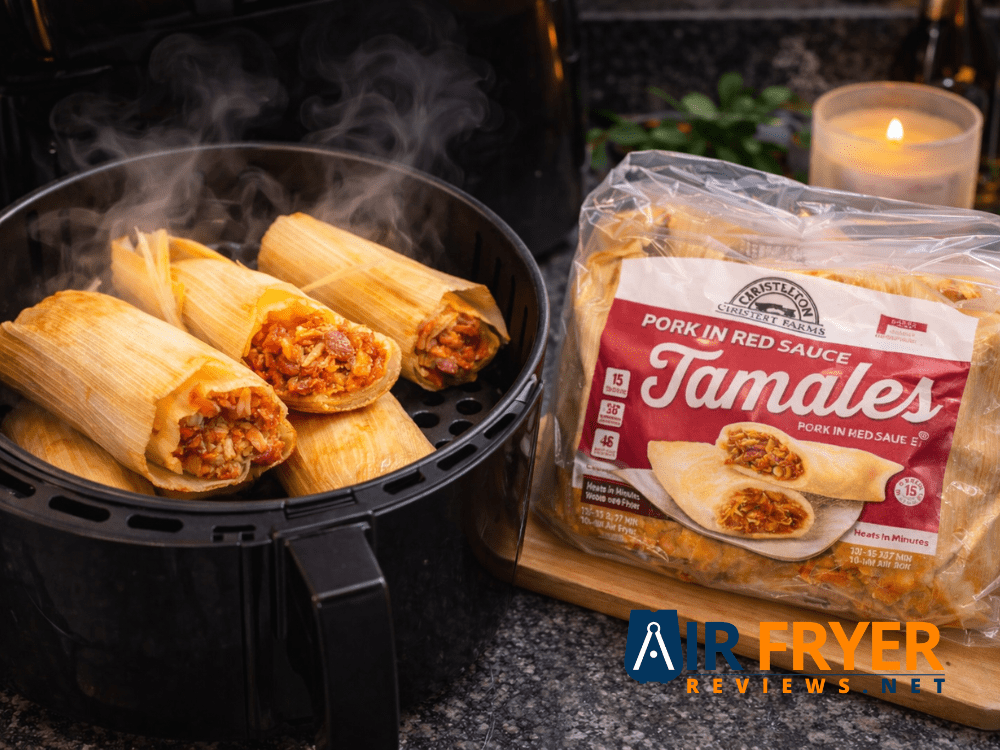

Microwaving frozen tamales often leads to uneven heating, rubbery masa and fillings that lose their original texture. Steaming helps preserve moisture but it usually leaves the exterior too soft without any contrast. For home cooks using frozen tamales from Costco neither method consistently delivers both convenience and quality.
After testing several batches in my own kitchen using a basket-style air fryer, I found that the air fryer produces far more balanced results. The centers heat evenly the masa stays tender and the outer layer develops a light pleasant firmness without drying out. Across different sizes and brands this method proved reliable and repeatable.
Controlled dry heat plays an important role here. Based on professional culinary best practices steady air circulation helps revive frozen masa while maintaining moisture inside. Proper airflow also improves surface texture without overwhelming the filling. The result is a tamale that tastes freshly prepared rather than reheated.
In this guide, I’ll walk you through how to cook frozen tamales in an air fryer with confidence. You’ll learn the best cooking approach common mistakes to avoid and small adjustments that make a noticeable difference. With the right method frozen tamales become a simple dependable meal that delivers consistent results every time.
Why Air Fry Frozen Tamales?
The Air Fryer Advantage: Speed, Texture and Convenience
Air frying frozen tamales solves several common reheating problems while keeping the process simple. After testing different methods in my kitchen, I found that the air fryer consistently delivers better texture and more reliable heating compared to microwaving, steaming or baking.
- Speed:
An air fryer preheats quickly and cooks efficiently. When timing matters most frozen tamales are fully heated in about 12-15 minutes depending on size. There’s no need to wait for water to boil or an oven to fully preheat. - Superior Texture:
One of the most noticeable differences is the outer layer. Air circulation creates a lightly firm exterior while the inside stays tender. Microwaving often makes the masa rubbery while steaming keeps everything uniformly soft. The air fryer creates contrast without drying the tamale. - Even Cooking:
Consistent hot air circulation helps heat the tamale from edge to center. During testing, I paid close attention to internal temperature and texture. When properly spaced in the basket the results were evenly heated without cold spots. - Convenience:
There’s no need for large pots, steam baskets or extra pans. Cleanup is minimal especially when cooking frozen tamales commonly purchased in bulk. For busy weeknights this method is practical and dependable. - Minimal Added Oil:
Most frozen tamales do not require additional oil in the air fryer. The circulating heat is enough to firm the exterior naturally making it a lighter alternative to pan-frying.
From a technical standpoint controlled dry heat helps preserve the masa’s structure without stripping internal moisture. Professional culinary insights support this balance particularly when reheating store-bought tamales where sogginess or dryness can easily occur.
How the Air Fryer Solves Common Tamale Problems
Many home cooks wonder whether frozen tamales can be air fried without compromising texture. When the temperature and timing are correct the air fryer directly addresses the most frequent issues.
- Dry Filling:
Proper temperature control allows the filling to warm gradually. In my testing moderate heat prevented the inside from drying out before the exterior finished heating. - Uneven Cooking:
Hot air circulates around all sides reducing the need for constant flipping. Turning once halfway through is usually enough for consistent results. - Lack of Texture:
The air fryer develops a lightly firm outer layer while keeping the inside soft. This subtle contrast improves the overall eating experience. - Sticking to the Basket:
Adequate spacing is essential. Overcrowding traps moisture and can cause sticking. A light liner or parchment designed for air fryers can help when needed. - Uncertain Temperature and Time:
One of the biggest challenges is knowing the correct settings. Later in this guide, I’ll share the exact temperature and timing I use to cook frozen tamales from start to finish with reliable results.
When used properly the air fryer turns frozen tamales into a quick well-textured meal without complicated steps or extra equipment.
Ingredients & Equipment Needed
Core Ingredients:
- Costco frozen tamales:
This method works well with common varieties such as chicken pork and cheese. Most frozen tamales sold in bulk are fully cooked and intended for reheating which makes them ideal for the air fryer. Since they’re already prepared the goal is proper reheating with improved texture not additional cooking from raw. - Optional: Light oil mist for added texture:
A very light spray of a neutral high smoke-point oil such as avocado or grapeseed oil can enhance surface browning. In my testing this step is optional. The tamales develop a lightly firm exterior even without oil but a minimal mist can add a slightly deeper finish.
Professional culinary guidance supports keeping oil usage limited. The purpose is to enhance texture not to fry. Store-bought frozen tamales typically contain enough internal fat to remain moist when heated properly so excess oil is unnecessary and can make the exterior heavy.
Essential Equipment
- Air fryer:
Any standard air fryer works including basket-style or oven-style models. I use a basket-style air fryer for testing and consistent airflow is the most important factor. Avoid overcrowding to allow proper circulation around each tamale. - Kitchen tongs:
Tongs make it easier to place, turn and remove tamales without damaging the husk or breaking the masa. - Instant-read thermometer:
This is especially important for meat-filled tamales. For food safety the internal temperature should reach 165°F (74°C). During testing checking the center temperature ensured even heating without overcooking the exterior.
Temperature checks remove guesswork particularly when reheating thicker tamales or cooking multiple pieces at once.
Optional but Helpful Tools
- Parchment paper or air fryer liners
These can make cleanup easier and help reduce sticking. If using liners ensure they are designed for air fryers so they don’t block airflow. - Oil spray bottle
If adding oil, a spray bottle allows even controlled application instead of pouring directly. - Serving platter or warming basket
When cooking in batches placing finished tamales on a warm platter helps maintain temperature while the remaining pieces cook.
Keeping the setup simple allows you to focus on timing and airflow which are the two factors that matter most for consistent results.
The Costco Tamale Variety Guide
Understanding Costco’s Frozen Tamale Options
Costco regularly rotates its frozen tamale selection with Del Real Foods being one of the most widely available brands. Depending on location and season you may also find organic or regional-style varieties.
These frozen tamales are fully cooked and designed specifically for reheating. That makes them well suited for air frying, provided the temperature and spacing are handled correctly.
From a structural standpoint, store-bought tamales are typically produced with consistent masa density. This uniformity helps them respond predictably to circulating heat. Professional culinary insights also emphasize that understanding the filling type is just as important as knowing the brand when aiming for balanced texture.
In my testing, brand consistency made timing easier to refine but the filling ultimately determined how closely I needed to monitor doneness.
Filling Types and How They Perform in the Air Fryer
Each filling behaves slightly differently when reheated. Small timing adjustments can noticeably improve the final texture.
- Chicken Tamales:
Chicken fillings are usually leaner. Because of that they can dry out more quickly if exposed to excessive heat. I found that cooking at a steady moderate temperature prevents moisture loss. A very light oil mist on the exterior can also help protect the surface without making it greasy. - Pork Tamales:
Pork varieties contain more natural fat which allows them to crisp beautifully. During testing pork tamales developed a lightly golden exterior faster than chicken versions. They’re generally more forgiving if cooked an extra minute. - Cheese or Vegetable Tamales:
These are more delicate. Overcooking can lead to excessive firmness or browning. I recommend slightly shorter cook times and checking early. Cheese fillings in particular heat quickly and can become overly soft if left too long.
Professional technique supports adjusting heat exposure based on fat content. Lean fillings require more control, while richer fillings tolerate higher surface heat more easily.
Size Variations and Timing Adjustments
Not all frozen tamales are the same size. Thickness directly affects cooking time so small adjustments make a noticeable difference.
- Thicker or Larger Tamales:
Add approximately 2-4 extra minutes. Always check the internal temperature to confirm the center reaches 165°F (74°C) without drying the outer layer. - Smaller or Thinner Tamales:
Reduce cooking time by 1-2 minutes. These heat faster and can over-firm if left too long.
In my hands-on testing with Del Real pork, chicken and cheese varieties pork consistently crisped the fastest. Chicken required slightly closer attention while cheese demanded the most precise timing.
Proper spacing in the air fryer basket is equally important. When tamales overlap or sit too close together airflow weakens and browning becomes uneven especially when mixing sizes in the same batch.
Step-by-Step Air Frying Instructions
Preparation Is Key
- Do not thaw:
For the most consistent results cook tamales directly from frozen. I tested both thawed and fully frozen batches and cooking from frozen produced better structure and moisture retention. Keep the corn husk on during cooking. The husk acts as a natural protective layer shielding the masa from direct heat while allowing the filling to warm evenly. - Preheat the air fryer:
Preheat to 350-375°F (175-190°C) for 3-5 minutes. Preheating ensures steady airflow from the start which improves even heating and prevents cold centers. - Optional light oil mist:
If you prefer slightly deeper browning apply a very light spray of neutral oil such as avocado or grapeseed oil. In my testing this step was most helpful for lean chicken fillings.
Professional culinary guidance supports using oil sparingly. Excess oil can interfere with airflow and cause uneven browning.
Loading the Air Fryer
- Arrange in a single layer:
Place the tamales in a single layer in the basket or on oven-style racks. Avoid stacking. - Leave space between each tamale:
Air circulation is what makes this method effective. When tamales touch or overlap browning becomes inconsistent. If cooking a larger batch work in stages rather than overcrowding the basket.
The Air Frying Process
- Initial cook
Place tamales in the preheated air fryer and cook according to the timing chart below. Cooking time depends on size and air fryer model. - Flip halfway through
Turn the tamales midway through cooking. In my tests flipping noticeably improved surface texture and prevented one-sided browning.
Check for Doneness
Tamales are ready when:
- The center is heated through
- The masa feels tender not dense
- The husk peels away easily
For meat-filled varieties confirm the internal temperature reaches 165°F (74°C) using an instant-read thermometer. This ensures food safety and prevents overcooking.
Rest Before Serving: Let tamales rest for 2-3 minutes after cooking. This short resting period allows internal heat to redistribute which improves texture and prevents the masa from drying out once unwrapped.
Resting is often overlooked but it makes a noticeable difference in consistency.
Quick Reference Cooking Chart (Air Fryer Tamales)
These timings are based on hands-on testing with frozen tamales commonly sold at Costco including varieties from Del Real Foods. Tests were conducted in both basket-style and oven-style air fryers.
Can you air fry frozen tamales?
Yes. Air fry frozen tamales directly from frozen at 375°F (190°C). Flip halfway through cooking and continue until heated through. For meat-filled tamales ensure the internal temperature reaches 165°F (74°C).
Cooking Time Chart
| Tamale Type / Size | Temperature | Initial Cook Time | Flip / Rest | Total Cook Time |
|---|---|---|---|---|
| Standard (≈ 6 oz) | 375°F / 190°C | 8-10 minutes | Flip 2-3 min rest | 16-20 minutes |
| Large (≈ 8 oz) | 375°F / 190°C | 10-12 minutes | Flip 2-3 min rest | 20-24 minutes |
| Small (≈ 4 oz) | 375°F / 190°C | 6-8 minutes | Flip 2-3 min rest | 12-16 minutes |
| Extra Crispy | 385°F / 195°C | 8-10 minutes | Flip 2-3 min rest | 18-22 minutes |
Testing Notes & Adjustments
- All batches were cooked directly from frozen with husks left intact.
- Pork varieties browned slightly faster than chicken due to higher fat content.
- Chicken tamales benefited from a very light oil mist in higher-powered basket air fryers.
- Oven-style models typically required cooking at the upper end of the suggested time range because of increased internal space.
Use the chart as a starting point. Adjust in 1-2 minute increments based on tamale thickness and your air fryer’s wattage.
Achieving Tamale Perfection: Pro Tips & Troubleshooting
Consistent results come from small adjustments. After testing multiple batches of chicken, pork and cheese tamales in different basket-style air fryers I found that most problems relate to temperature control, spacing, and timing not the tamales themselves.
Professional culinary guidance supports this. Heat management and airflow are the primary factors that determine whether the masa stays tender or turns dry.
Preventing Dry Tamales
Problem: Overcooking
Solution: Stick closely to recommended cook times and confirm doneness with an instant-read thermometer. For meat-filled tamales the internal temperature should reach 165°F (74°C).
Keep the husks on during cooking. Removing them early exposes the masa directly to circulating heat which increases the risk of dryness.
Problem: Insufficient Internal Moisture
Solution: Lightly mist the outside of frozen tamales with water before air frying. During testing, this created gentle internal steam that protected the masa without softening the exterior too much.
This technique works especially well for lean chicken varieties which are more prone to moisture loss than pork.
Ensuring Even Cooking and Crisp Texture
Problem: Uneven Browning
Solution: Flip the tamales halfway through cooking. Leave space between each one so air can circulate properly. Overcrowding is one of the most common causes of uneven heating.
When tamales are placed too close together airflow weakens and browning becomes inconsistent.
Problem: Not Crisp Enough
Solution: Apply a light mist of neutral oil before cooking if you prefer a firmer exterior. For additional browning, increase the temperature by 10-15°F during the final 2-3 minutes.
In my testing, this short temperature boost improved surface texture without drying out the filling. It works particularly well for thicker tamales or reheating larger batches.
Dealing With Sticking
Problem: Tamales Sticking to the Basket
Solution: Use perforated parchment paper or air fryer liners designed for proper airflow. A light non-stick spray on the basket can also help.
Avoid turning tamales too early. As they cook, the exterior firms up naturally which reduces sticking near the end of the cycle.
The Tamale Texture Spectrum: Achieve Your Desired Crispiness
Texture preference varies from kitchen to kitchen. One of the biggest advantages of using an air fryer is control. Small temperature and timing adjustments noticeably change how the masa feels once unwrapped.
After testing multiple batches of frozen tamales commonly sold at Costco, I found three reliable texture profiles that cover most preferences.
Professional culinary insight supports this approach. Minor heat adjustments especially in the final minutes, often determine whether a tamale turns out tender lightly crisp or overly firm.
Soft & Steamed-Like Texture
This setting closely resembles traditional steaming but without using a pot or rack.
- Cook at 350°F (175°C)
- Slightly reduce the total cooking time
- Optionally wrap tamales loosely in foil for the first half of cooking
In my testing, this method worked particularly well for cheese and vegetable fillings. The masa stays tender with very little surface browning.
If your goal is a soft exterior and evenly heated center lower heat with shorter cook time produces the most consistent results.
Slightly Crispy Exterior (Balanced Texture)
This is the setting I use most often.
- Cook at 375°F (190°C)
- Flip halfway through
- Rest for 2-3 minutes before unwrapping
The result is a lightly firm exterior with a moist interior. Pork and chicken varieties respond especially well to this method.
This balance provides subtle texture without drying the filling. For most home cooks this level of crispness delivers the best overall consistency.
Very Crispy & Golden Finish
For a more pronounced exterior texture:
- Lightly mist with oil
- Increase temperature to 385-390°F (195-200°C)
- Extend cooking time by 2-4 minutes
- Monitor closely during the final minutes
In my testing, pork varieties handled higher heat better because of their fat content. Leaner fillings require closer attention to prevent dryness.
The key is watching texture development during the final few minutes rather than relying solely on total time.
Texture Awareness & Visual Cues
Recognizing visual and tactile signals helps avoid overcooking.
- Soft stage: Husks remain flexible masa feels tender with minimal firmness.
- Balanced stage: Exterior feels lightly set husk peels away cleanly interior remains moist.
- Overcooked stage: Surface becomes overly firm edges may appear dry masa feels dense.
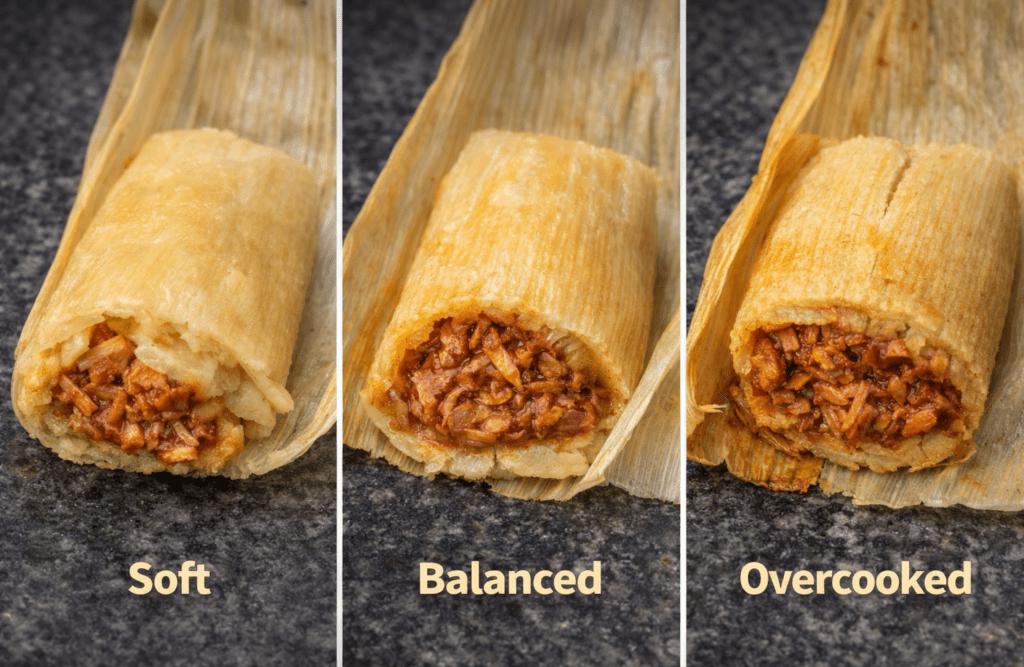
Monitoring these cues allows you to stop cooking at the precise moment that matches your preference.
Keeping Tamales Warm When Cooking in Batches
Problem: Finished tamales cool while additional batches cook.
Solution: Place cooked tamales in a tortilla warmer or loosely tent them with foil in a low oven set to 200°F (95°C).
This holding method maintains warmth without continuing to cook the masa. It preserves moisture and texture, especially when preparing larger batches for family meals or gatherings.
Careful temperature control, spacing and attention during the final minutes are what transform frozen tamales into a consistently well-textured meal.
Serving Suggestions & Customization
Once the tamales are cooked to your preferred texture thoughtful toppings and sides can turn them into a complete meal. I’ve found that simple, balanced additions enhance flavor without overpowering the masa or masking the filling.
Professional culinary insight supports pairing richness with freshness. The goal is contrast creamy elements against bright toppings warm masa against cool garnishes.
Classic Toppings & Sauces
These options complement air-fried tamales while preserving their texture. Add toppings just before serving to maintain a lightly firm exterior.
- Salsas: Fresh pico de gallo adds brightness and acidity. Salsa verde brings tang and depth. A smoky chipotle salsa works particularly well with pork fillings.
- Creamy Elements: Sour cream, Mexican crema or a small spoonful of plain Greek yogurt add richness without overwhelming the flavor.
- Cheese: Crumbled queso fresco or cotija adds saltiness and texture. Lightly shredded cheddar melts gently over warm tamales if you prefer a softer finish.
- Fresh Garnishes: Chopped cilantro, sliced avocado, guacamole or pickled red onions add contrast and balance heavier fillings.
Keeping toppings proportional is important. Too much moisture can soften the exterior you worked to achieve.
Turning Tamales Into a Full Meal
With the right sides tamales easily become the centerpiece of dinner.
- Rice: Mexican-style rice or cilantro-lime rice adds structure and makes the plate more substantial.
- Beans: Refried beans or seasoned black beans provide protein and complement both chicken and pork varieties.
- Fresh Vegetables: Grilled corn, jicama salad or a simple green salad lighten the plate and balance richer fillings.
A balanced plate typically includes one starch, one protein-rich side and a fresh element. This combination keeps the meal satisfying without feeling heavy.
Creative Customization Ideas
Tamales are versatile and adapt well to different formats.
- Tamale Bowls: Crumble a cooked tamale over rice and beans. Finish with salsa, crema and fresh toppings for a layered bowl-style meal.
- Breakfast Style: Slice a tamale in half and top it with a fried egg and a small drizzle of hot sauce. The runny yolk adds richness that pairs well with savory fillings.
- Tamale Nachos: Slice cooked tamales into thick rounds and layer them over tortilla chips. Add cheese and bake briefly until melted then finish with fresh toppings.
These variations show how frozen tamales can serve as a base ingredient rather than just a side dish. With small adjustments they work across multiple meals throughout the week while maintaining consistent texture and flavor.
Frequently Asked Questions (FAQs)
No. Cook tamales directly from frozen. In my testing, starting from frozen helped preserve structure and prevented the masa from becoming overly soft.
Cooking from frozen also creates better internal steam control which supports even heating and improved texture.
No. Keep the husk on during cooking. It acts as a protective barrier that reduces moisture loss and promotes even heating.
Remove the husk only after the tamales have finished cooking and rested briefly. Removing it too early increases the risk of dry or firm masa.
Tamales are ready when:
- They are hot all the way through
- The masa feels tender, not dense or chalky
- The husk peels away easily
For meat-filled varieties confirm the internal temperature reaches 165°F (74°C) using an instant-read thermometer. This ensures both safety and proper reheating.
Lightly spray the basket with oil or use perforated parchment paper designed for air fryers.
Sticking often happens when tamales are turned too early. As they cook and the exterior firms they release more easily. Flip them only after the halfway point.
Yes. The air fryer is one of the most effective ways to restore texture.
To reheat cooked tamales:
- Set the air fryer to 350°F (175°C)
- Heat for 5-7 minutes
- Flip halfway through
This method maintains a balanced texture and avoids the sogginess that often comes from microwaving.
No. Stacking blocks airflow and leads to uneven heating.
Arrange tamales in a single layer with space between each one. If cooking a larger batch work in stages for consistent results.
For a firmer exterior:
- Lightly mist with oil before cooking
- Increase the temperature by 10-15°F during the final few minutes
- Monitor closely to prevent overcooking
Pork varieties generally crisp more easily due to their higher fat content while lean fillings require closer attention.
Use the air fryer for even reheating and texture retention.
Avoid microwaving unless moisture is added as it can soften the masa excessively. Store cooked tamales properly in an airtight container to prevent drying before reheating.
Conclusion Costco Frozen Tamales
Cooking frozen tamales does not have to result in uneven heating or bland texture. With proper temperature control, spacing and timing the air fryer produces consistent results lightly firm on the outside and moist inside.
In my kitchen testing small adjustments made the biggest difference. Monitoring the final minutes, flipping at the right time and allowing a short rest ensured better structure and flavor. Professional culinary guidance supports this approach controlled airflow and measured heat are what make this method dependable.
With balanced toppings and well-chosen sides tamales easily move from a simple convenience item to a satisfying meal.
If you try this method adjust the texture to match your preference and make it your own. The flexibility of the air fryer makes consistent results achievable with minimal effort.
