
The Best Fluffy Pancakes recipe you will fall in love with. Full of tips and tricks to help you make the best pancakes.
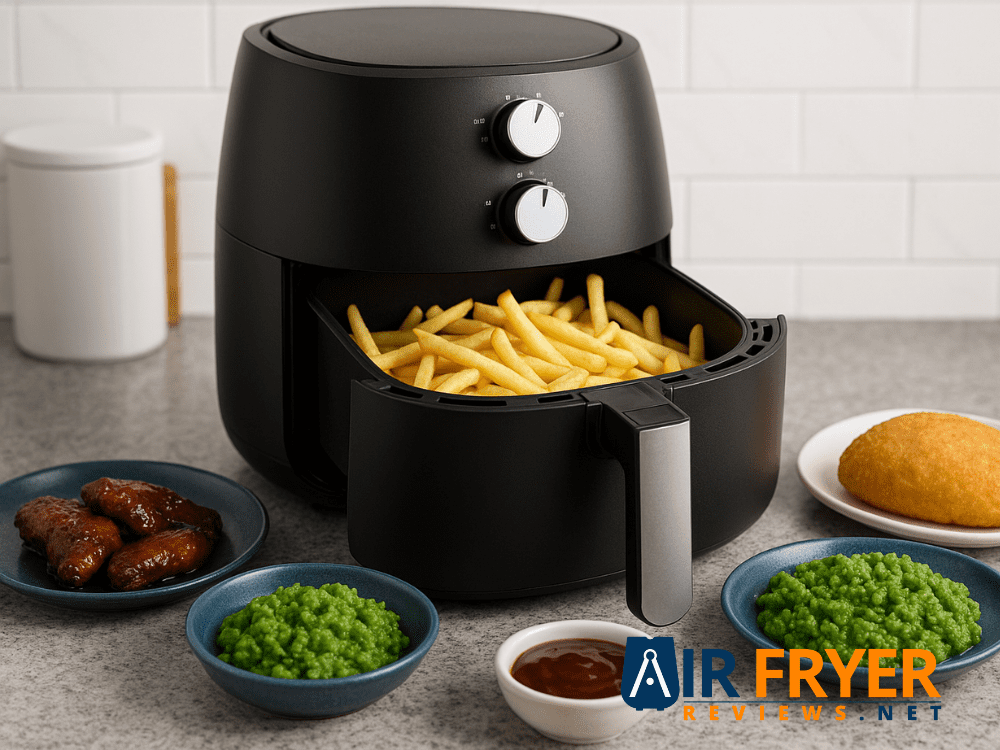

Have you recently brought home an air fryer and found yourself staring at it with equal parts excitement and uncertainty? Maybe it’s still in the box. Maybe you’ve used it once or twice for fries and stopped there unsure how to get consistent results beyond the basics. If that sounds familiar, you’re not alone.
When I first started testing air fryer recipes in my own kitchen, I quickly realised that most hesitation doesn’t come from the appliance itself it comes from not fully understanding how it works. Without the right guidance it’s easy to under use it or assume it’s limited in what it can do.
In this guide, I’ll walk you through how the air fryer actually functions, address common concerns and share practical methods I’ve tested to help you cook confidently and consistently.
By the end, you’ll understand how to manage airflow, temperature and timing the three fundamentals that determine success. With that foundation your air fryer becomes more than a gadget. It becomes a reliable tool for making everyday meals simpler, lighter and more efficient.
Getting Started With Your Air Fryer
An air fryer is a compact convection appliance designed to cook food by circulating hot air around it. This rapid airflow creates a crisp golden exterior with far less oil than traditional deep frying.
In simple terms: An air fryer uses concentrated convection heat to cook food evenly and produce crisp textures with minimal added fat.
Key Benefits at a Glance
Healthier Cooking
Air fryers require significantly less oil than deep frying. A light spray is often enough to support browning while reducing overall fat content.
Faster Cooking
Because the chamber is small and the air circulates rapidly cooking times are often shorter than in a conventional oven.
Crisp Texture
The high-speed airflow removes surface moisture allowing food to brown and firm without becoming greasy.
Convenience
Most models are simple to operate and easy to clean making them practical for quick weekday meals.
How Your Air Fryer Works: The Science of Crispiness
An air fryer relies on three main components:
- A heating element
- A high-speed fan
- A perforated basket or tray
The heating element generates high temperatures while the fan circulates that heat rapidly around the food. This mimics convection cooking but in a smaller more concentrated space.
The Role of the Maillard Reaction
The crisp exterior you see is the result of the Maillard reaction a natural chemical process that occurs when heat interacts with proteins and sugars on the food’s surface.
This reaction:
- Creates browning
- Enhances flavor
- Produces a firmer outer texture
For this to happen effectively surface moisture must evaporate. That’s why spacing and proper airflow matter so much in air fryer cooking.
Your Air Fryer’s First Steps: Unboxing & Test Run
Taking a few minutes to set up your appliance properly improves both safety and performance.
1. Unboxing & Placement
- Remove all packaging materials.
- Place the unit on a flat, heat-resistant surface.
- Leave at least 5 inches of clearance around the air vents.
Proper ventilation prevents overheating and supports consistent airflow.
2. Initial Cleaning
Wash the basket, drawer and any removable accessories in warm, soapy water. Dry thoroughly before use.
This removes dust or manufacturing residue and ensures clean flavor.
3. The “Burn-Off” Run
Run the air fryer empty for 3-5 minutes at a moderate temperature.
This short cycle eliminates any initial manufacturing odor and prepares the appliance for cooking.
Your First Practice Cook
Start with simple foods such as:
- Frozen fries
- Toast
- Chicken nuggets
These are forgiving options that help you understand timing, browning and airflow.
When I first used my air fryer, I began with something basic to observe how quickly it heated and crisped. That first trial builds confidence. Once you understand how your model performs, adjusting temperature and timing becomes intuitive.
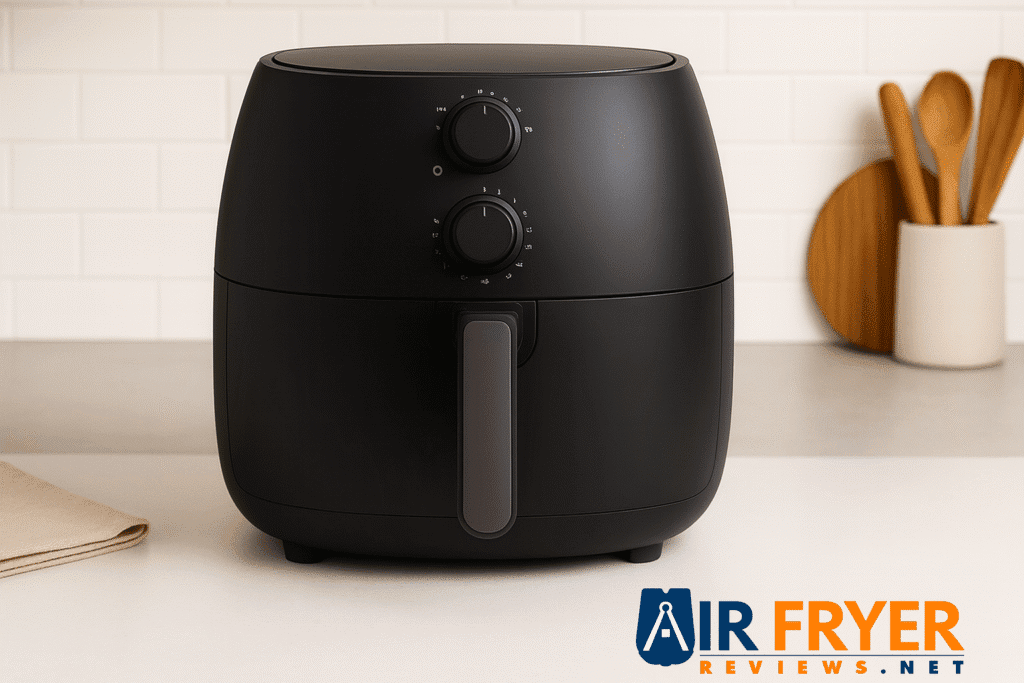
Mastering Essential Air Frying Techniques
Consistent results in an air fryer come down to a few core habits. Once you understand airflow, timing and moisture control crisp texture becomes predictable rather than accidental.
Here are the techniques that make the biggest difference.
✓ Preheating Is Essential
Always preheat your air fryer for 3-5 minutes before adding food.
Preheating ensures the cooking chamber reaches the correct temperature from the start. When food enters a fully heated basket the exterior begins crisping immediately rather than steaming.
This small step improves:
- Browning
- Texture consistency
- Overall cook time accuracy
Skipping preheat often leads to uneven results.
✓ Avoid Overcrowding
Hot air must circulate freely around each piece of food.
If the basket is packed tightly:
- Steam becomes trapped
- Browning slows down
- Texture turns soft instead of crisp
Arrange food in a single layer whenever possible. If cooking larger portions work in batches. During testing, I’ve found that spacing alone can transform average results into noticeably crisp ones.
✓ Shake, Flip or Turn Midway
Halfway through cooking:
- Shake fries or smaller items
- Flip wings, cutlets or larger pieces
This exposes all surfaces to circulating heat and prevents uneven browning.
For most foods, shaking or flipping every 5-7 minutes works well depending on thickness.
✓ Use Oil Strategically
A light mist of oil enhances browning but excess oil can cause smoke or greasiness.
Use:
- A refillable oil sprayer
- High-smoke-point oils like avocado or light olive oil
The goal is a thin even coating not saturation. Air fryers rely primarily on airflow not oil to create crispness.
✓ Season Generously
Because air fryers use dry heat, flavors can sometimes taste slightly muted.
Season food before cooking to ensure bold, balanced flavor. Spice blends, marinades and dry rubs all work well.
The concentrated heat helps intensify certain flavors so this is a good opportunity to experiment with herbs and spices.
✓ Understand Time & Temperature
Air fryers cook faster than conventional ovens due to concentrated convection heat.
General guidance:
- Start slightly lower than traditional oven temperatures
- Reduce cooking time compared to oven recipes
- Check doneness early
For example, chicken wings often cook well at 380°F for 20-25 minutes depending on size. Always confirm poultry reaches an internal temperature of 165°F (74°C).
Each air fryer model performs slightly differently, so learning how your unit heats improves consistency, and for specific models such as the Cosori Dual Air Fryer 9Qt check reviews.
Final Technique Reminder
Air frying is less about complicated recipes and more about mastering fundamentals:
- Preheat properly
- Leave space for airflow
- Flip or shake midway
- Use oil sparingly
- Monitor temperature carefully
Once these habits become routine, achieving crisp evenly cooked food becomes much easier and far more reliable.
Air Frying Temperature & Time Guide
Use the table below as a starting point. Cooking times vary depending on thickness, portion size and your specific air fryer model. For meats, always confirm internal temperature with an instant-read thermometer.
General Air Fryer Cooking Chart
| Food Item | Preparation | Temperature (°F / °C) | Time (Minutes) | Visual Cues & Notes |
|---|---|---|---|---|
| Frozen French Fries | Single layer, light oil spray optional | 375°F / 190°C | 15-20 | Shake halfway. Done when golden brown and crisp. |
| Chicken Wings (Fresh) | Pat dry, light oil, season | 380°F / 195°C | 20-30 | Flip halfway. Internal temp 165°F / 74°C. Skin should be crisp and browned. |
| Chicken Breast (Boneless) | Pat dry, light oil, season | 370°F / 188°C | 15-20 | Flip halfway. Internal temp 165°F / 74°C. Juices should run clear. |
| Salmon Fillet | Light oil, season | 380°F / 195°C | 12-15 | No flip needed. Done when flaky and opaque. |
| Broccoli Florets | Toss with oil & seasoning | 375°F / 190°C | 10-15 | Shake halfway. Edges lightly crisp, stems tender. |
| Brussels Sprouts (Halved) | Toss with oil & seasoning | 380°F / 195°C | 15-20 | Shake halfway. Crisp outer leaves, fork-tender center. |
| Steak (1-inch thick) | Pat dry, light oil, season | 400°F / 200°C | 10-15 | Flip halfway. Use thermometer for doneness (130-140°F medium). |
| Hard-Boiled Eggs | Place directly in basket | 250°F / 120°C | 15-17 | Transfer immediately to ice bath for easy peeling. |
| Bacon (Thin Cut) | Single layer, no oil | 350°F / 175°C | 8-12 | Check frequently. Done when crisp and browned. |
| Roasted Potatoes (Cubed) | Toss with oil & seasoning | 380°F / 195°C | 20-25 | Shake every 5-7 minutes. Crisp edges, tender interior. |
Important Cooking Notes
- Thickness significantly affects cook time. Thicker cuts require longer cooking.
- Always check poultry reaches 165°F (74°C) internally.
- Shake or flip halfway for even browning unless noted otherwise.
What to Cook (And What to Avoid)
Knowing which foods perform best and which require caution improves results and prevents mess.
The Best Foods for Air Frying
✓ Crispy Favorites
Frozen Foods (Fries, Nuggets, Tater Tots): Designed for high heat these crisp beautifully while remaining tender inside.
Chicken (Wings, Thighs, Breasts): Air fryers produce crisp skin and juicy interiors without deep frying.
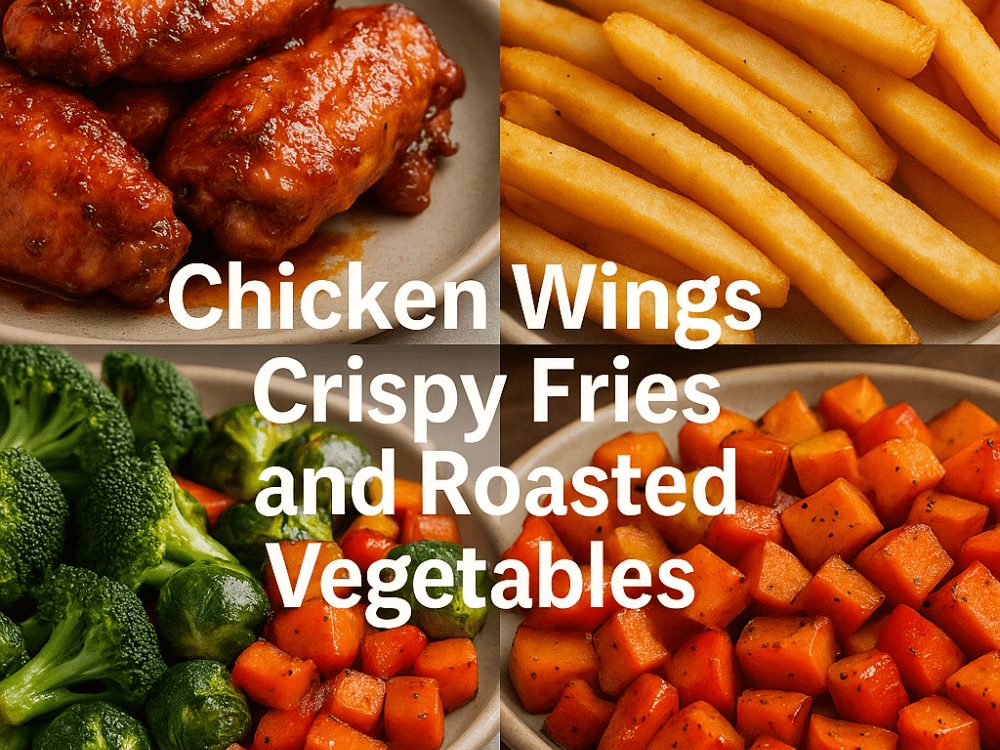
Vegetables (Broccoli, Brussels Sprouts, Asparagus, Potatoes): Vegetables roast faster than in a conventional oven and develop caramelized edges.
Fish (Salmon, Cod, Shrimp): High heat produces a lightly crisp exterior while keeping the center flaky and tender.
Reheating Leftovers (Pizza, Fried Chicken):Air fryers restore crispness far better than microwaves.
Hidden Gems
Hard-Boiled Eggs: Cook evenly and peel easily after an ice bath.
Bacon: Crisps quickly without stovetop splatter.
Toasted Sandwiches & Pastries: Develop a golden exterior with warm fillings.
Crispy Chickpeas: Roasted until crunchy ideal for salads or snacks.
Foods to Avoid (or Cook with Caution)
✓ Lightweight Greens (Spinach, Kale)
Loose leaves can lift into the heating element and burn. Cook at lower temperatures or secure under heavier ingredients.
✓ Wet Batters
Thin batter drips through the basket. If air frying battered food ensure the coating is thick and well-adhered.
✓ Excessive Cheese
Cheese can melt and drip causing smoke or sticking. Use parchment or silicone liners when needed.
✓ Whole Large Roasts
Large items may not cook evenly. Smaller portions perform better due to airflow concentration.
✓ Dry Rubs Without Binder
Seasonings may blow off. Lightly coat food with oil to help spices adhere.
Practical Reminder
Air frying works best when airflow is unobstructed and moisture is controlled. Understanding which foods benefit from rapid convection and which require adjustments ensures consistent mess-free results.
Air Fryer Myth Busters
Air fryers are popular but popularity often brings misconceptions. Clearing up these myths helps you use your appliance more effectively and with realistic expectations.
✓ Myth 1: It’s Just a Small Oven
Truth: An air fryer uses convection heat like an oven but with more concentrated airflow.
The heating element sits closer to the food, and the fan circulates hot air at higher speed inside a compact chamber. This focused airflow creates faster browning and crisping compared to a traditional oven especially for small portions.
It’s not simply a miniature oven it’s an optimized convection system designed for rapid efficient cooking.
✓ Myth 2: Everything Cooked in It Is Healthy
Truth: The healthiness of your meal depends on ingredients not just the appliance.
Air frying reduces oil compared to deep frying but food choices still matter. A pastry cooked in an air fryer is still a pastry. The method lowers added fat but it doesn’t automatically transform processed foods into nutritious meals.
Air frying supports healthier cooking habits it doesn’t replace mindful ingredient selection.
✓ Myth 3: You Don’t Need Any Oil
Truth: While minimal oil is required a small amount can improve results.
Air fryers rely on hot air circulation to crisp food. However, a light mist of oil:
- Enhances browning
- Improves texture
- Boosts flavor
For fresh vegetables or lean proteins a thin even coating works best. The key is moderation.
✓ Myth 4: Air Fryers Are Difficult to Clean
Truth: With regular maintenance cleaning is simple.
Most models include removable baskets and drawers that wash easily by hand or in the dishwasher (check your manufacturer’s instructions).
Cleaning after each use prevents grease buildup smoke and odour. A few minutes of routine care keeps performance consistent.
Safety, Cleaning & Troubleshooting
Proper use and maintenance extend the life of your air fryer and ensure safe operation.
✓ Placement & Clearance
- Place the unit on a stable, heat-resistant surface.
- Leave at least 5 inches (12-13 cm) of clearance on all sides.
- Keep vents unobstructed.
Adequate airflow prevents overheating and supports consistent cooking.
✓ Power & Cord Safety
- Plug directly into a wall outlet when possible.
- Avoid extension cords unless manufacturer-approved.
- Keep cords away from hot surfaces.
Always follow your appliance manufacturer’s safety guidelines for electrical use.
✓ Preventing Smoke
White smoke usually comes from excess grease.
To reduce smoke when cooking fatty foods:
- Add a small amount of water (about 1 tablespoon) to the drawer beneath the basket if your model allows it.
- Avoid excessive oil.
- Clean grease residue regularly.
Smoke is often a maintenance issue rather than a mechanical fault.
✓ Checking Doneness Safely
Use an instant-read thermometer for meats.
- Poultry should reach 165°F (74°C).
- Beef and steak temperatures vary based on desired doneness.
This removes guesswork and prevents undercooking or overcooking.
✓ Child Safety
- Keep the appliance out of reach of children.
- Surfaces can become hot during operation.
- Supervise when in use.
Final Reminder
Appliance safety should always follow manufacturer instructions. Clearance requirements electrical guidance and cleaning recommendations may vary slightly by model.
When used correctly and maintained consistently an air fryer is both safe and highly reliable. Understanding these safety principles ensures long-term performance and confident everyday cooking.
Cleaning and Maintenance for Longevity
Regular cleaning keeps your air fryer performing efficiently and extends its lifespan. Grease buildup and residue not only affect flavor but can also reduce airflow and cause smoke.
A simple routine makes all the difference.
✓ Daily Cleaning (After Each Use)
1. Unplug and Cool Completely
Always unplug the unit and allow it to cool before cleaning. This prevents burns and protects internal components.
2. Wash the Basket and Drawer
- Use warm, soapy water
- Clean with a soft, non-abrasive sponge
- Avoid steel wool or harsh scrubbers
Gentle cleaning protects the non-stick coating and prevents surface damage.
If food is stuck, soak the basket in warm water for 10-15 minutes before scrubbing.
3. Wipe the Exterior
Use a damp cloth to remove fingerprints, dust or grease splatters. Keeping the outside clean prevents buildup around vents and controls.
Small cleaning brushes designed for kitchen appliances can help reach tight corners in the basket.
✓ Deep Cleaning (Weekly or Bi-Weekly)
If you use your air fryer frequently a deeper clean every 1-2 weeks helps maintain performance.
1. Clean the Heating Element
- Ensure the appliance is unplugged and fully cool
- Gently wipe the heating coil with a damp cloth or soft brush
Removing grease buildup prevents smoke and ensures even heating.
2. Remove Stubborn Residue
For tougher stains create a paste of baking soda and water.
- Apply to affected areas
- Let sit for a few minutes
- Wipe clean with a soft cloth
This method lifts grime without damaging surfaces.
✓ Tips for Easier Cleanup
Use Liners Carefully
Perforated parchment paper or air fryer-safe liners can reduce sticking and simplify cleaning.
Important:
- Ensure liners are designed for air fryers
- Do not block airflow
- Never place parchment inside during preheating without food weighing it down
Light Oil & Preheating
Preheating and applying a light oil mist help prevent sticking. Proper airflow and minimal residue make cleanup easier after cooking.
Long-Term Care Tips
- Store the unit in a dry location
- Leave the basket slightly open if storing long-term to prevent odors
- Run a short preheat cycle if unused for an extended period
Final Reminder
Consistent cleaning preserves airflow prevents smoke, and protects the non-stick surface. A well-maintained air fryer performs better cooks more evenly and lasts significantly longer.
Troubleshooting Common Air Fryer Problems
Even experienced home cooks run into occasional air fryer issues. The good news is that most problems are caused by airflow excess moisture or minor maintenance oversights all easy to fix.
Here’s a practical guide to solving the most common concerns.
✓ Problem: Uneven Cooking
Likely Causes:
- Overcrowded basket
- No flipping or shaking
- Skipping preheat
Solutions:
- Arrange food in a single layer
- Shake the basket or flip food halfway through
- Always preheat for 3-5 minutes
Air fryers rely on circulating hot air. If airflow is blocked one side may brown faster than the other.
✓ Problem: Smoking Air Fryer
Likely Causes:
- Excess oil
- Grease buildup
- Fat dripping onto heating components
Solutions:
- Clean the basket and drawer thoroughly after each use
- Use oil sparingly
- For fatty foods (like bacon) add a small amount of water to the bottom drawer if your model allows it
Excess grease is the primary cause of smoke. Regular cleaning and controlled oil use usually eliminate the issue.
✓ Problem: Food Sticking to the Basket
Likely Causes:
- Insufficient oil
- Cooking at too low a temperature
- Worn non-stick coating
Solutions:
- Lightly spray the basket before cooking
- Use perforated parchment liners when needed
- Preheat before adding food
Proper temperature helps food release naturally once a crust forms.
✓ Problem: Food Isn’t Crispy Enough
Likely Causes:
- Overcrowding
- Food too wet
- Temperature too low
Solutions:
- Pat food dry before cooking
- Leave space between pieces
- Increase temperature slightly (5-10°F)
- Extend cooking time in small increments
Crispness depends on moisture evaporation. Removing surface moisture improves results significantly.
✓ Problem: Strange Noises or Odors
Likely Causes:
- Loose basket or tray
- Residual grease
- First-time heating smell
Solutions:
- Ensure all components are seated properly
- Clean interior and heating area (once cool)
- Run a short empty cycle if unused for a long period
If unusual mechanical sounds persist consult your manufacturer’s manual for model-specific guidance.
✓ Problem: Underutilization or Lack of Inspiration
Many new owners use their air fryer only for fries and nuggets.
Solutions:
- Try one new recipe each week
- Use accessories like racks or small pans
- Convert oven recipes using slightly lower temperatures and shorter times
- Start with simple upgrades (roasted vegetables, salmon, reheating pizza)
Confidence builds quickly once you understand how your appliance behaves. Mistakes are part of the learning process. Adjusting time and temperature by small increments helps you refine results.
Final Encouragement
Air fryers are consistent once you understand airflow, spacing and timing. Most problems are minor and easily corrected.
With a few adjustments and regular maintenance your air fryer becomes one of the most dependable tools in your kitchen.
Basic Air Fryer Recipes for Beginners
Course: UncategorizedServings
4 servings (varies by recipe)
servingsPrep time
10
minutesCooking time
12
minutesCalories
Varies by recipe (see individual notes below)
kcalThese beginner-friendly recipes are the ones I recommend most often when someone is just getting comfortable with their air fryer. Each one focuses on simple ingredients, clear technique, and reliable results.
Basic Air Fryer Recipes for Beginners
1️⃣ Crispy Air Fryer Chicken Strips
Servings: 4
Prep Time: 15 minutes
Cook Time: 15-18 minutes
Calories: ~280-320 kcal per serving (3-4 strips)
Ingredients
2 large chicken breasts (cut into strips)
½ cup flour
2 eggs (beaten)
1 cup breadcrumbs (panko preferred)
1 tsp salt
½ tsp black pepper
1 tsp paprika
Oil spray- 2️⃣ Perfect Air-Fried Roasted Potatoes
Servings: 4
Prep Time: 10 minutes
Cook Time: 20-25 minutes
Calories: ~180-220 kcal per serving
Ingredients
1½ lbs (700g) diced Russet or Yukon Gold potatoes
1-2 tbsp olive oil
1 tsp salt
½ tsp black pepper
½ tsp garlic powder 3️⃣ Quick & Healthy Air-Fried Salmon
Servings: 4
Prep Time: 5-7 minutes
Cook Time: 12-15 minutes
Calories: ~250-300 kcal per fillet
Ingredients
4 salmon fillets (6 oz each)
1 tbsp olive oil
1 tbsp lemon juice
1 tsp dried dill
Salt & pepper to taste4️⃣ Air-Fried Brussels Sprouts with Balsamic Glaze
Servings: 4
Prep Time: 10 minutes
Cook Time: 15-20 minutes
Calories: ~160-190 kcal per serving
Ingredients
1 lb Brussels sprouts (halved)
1 tbsp olive oil
Salt & pepper
1-2 tbsp balsamic glaze (optional)
Step-by-Step Directions Basic Air Fryer Recipes for Beginners
- 1️⃣ Crispy Air Fryer Chicken Strips
Set up three bowls: flour in one, beaten eggs in another and seasoned breadcrumbs in the third.
Coat each chicken strip in flour, dip into egg then press into breadcrumbs until fully coated.
Lightly spray both the basket and the chicken strips with oil.
Preheat air fryer to 375°F (190°C).
Arrange strips in a single layer.
Cook for 15-18 minutes, flipping halfway through.
Confirm internal temperature reaches 165°F (74°C). - 2️⃣ Perfect Air-Fried Roasted Potatoes
Toss potatoes with olive oil and seasonings.
Preheat air fryer to 380°F (195°C).
Place potatoes in a single layer.
Cook for 20-25 minutes, shaking every 5-7 minutes. - 3️⃣ Quick & Healthy Air-Fried Salmon
Pat salmon dry.
Brush lightly with olive oil and season with lemon juice, dill, salt and pepper.
Preheat air fryer to 380°F (195°C).
Lightly oil basket or use perforated parchment.
Cook for 12-15 minutes. - 4️⃣ Air-Fried Brussels Sprouts with Balsamic Glaze
Toss sprouts with olive oil, salt and pepper.
Preheat air fryer to 380°F (195°C).
Arrange in a single layer.
Cook for 15-20 minutes shaking halfway through.
Drizzle with balsamic glaze before serving (optional).
Expert Tip
- Always use an instant-read thermometer for poultry and thicker proteins. Chicken must reach 165°F (74°C) for safe consumption.
- Beginner Success Reminder
Start with one recipe at a time. Focus on spacing, preheating and flipping halfway. Once you understand how your air fryer behaves, you can confidently adjust time and temperature for nearly any dish.
Expanding Your Air Frying Horizons
Once you’ve mastered the basics your air fryer becomes much more than a crisping tool. With the right accessories and technique adjustments it can handle baking, roasting, dehydrating and even speciality diets with ease.
Using Accessories to Unlock More Possibilities
An air fryer accessories kit can significantly expand what you’re able to cook. Most kits include racks, small baking pans, skewers and sometimes dehydrating trays.
✓ Baking
With a small air fryer-safe baking pan you can prepare:
- Muffins
- Mini cakes
- Brownies
- Quick breads or even delicious bread rolls with potato stuffing
Because of the concentrated heat baked goods often cook faster than in a traditional oven. Reduce oven temperature slightly and monitor closely.
✓ Dehydrating
If your model supports lower temperatures (around 120-160°F / 50-70°C) you can dry:
- Apple slices
- Banana chips
- Herbs
- Thin vegetable slices
Proper spacing and thin slicing are essential for even dehydration.
✓ Skewers & Racks
Skewers allow you to cook:
- Kebabs
- Shrimp
- Cubed chicken
- Grilled vegetables
Multi-layer racks increase cooking capacity but airflow must remain unobstructed. Rotate layers if needed for even browning.
Through repeated testing across models, I’ve found that accessories expand versatility but spacing and airflow remain the foundation of good results.
Converting Traditional Recipes for Your Air Fryer
Adapting oven recipes is straightforward once you understand the airflow intensity.
✓ Reduce Temperature
Lower oven temperature by about 25°F (15°C). Air fryers cook more efficiently due to concentrated convection heat.
✓ Reduce Cooking Time
Decrease total cook time by 20-30% compared to oven instructions. Start checking earlier than the recipe suggests.
✓ Shake or Flip
For foods that benefit from even browning flip or shake halfway through cooking.
Practical Example
If a recipe calls for:
- 400°F for 25 minutes in an oven
Convert it to:
- 375°F for about 18-20 minutes in an air fryer
Always verify doneness visually and with a thermometer when cooking meats.
Energy & Cost Efficiency
Because air fryers preheat quickly and cook faster they often use less energy than heating a full-size oven for small meals.
They’re also useful for:
- Reviving leftovers
- Crisping smaller portions
- Cooking affordable cuts of meat efficiently
The concentrated heat can improve texture on cuts that benefit from surface browning.
Air Frying for Specific Dietary Needs
The air fryer adapts well to different eating styles because it reduces added fat while preserving texture.
✓ Keto
Air frying works well for:
- Crispy chicken skin
- Zucchini rounds
- Cauliflower florets
- Stuffed mushrooms or even air fried chicken tortilla
Minimal oil helps maintain macro balance while delivering crunch.
✓ Gluten-Free
You can substitute:
- Almond flour
- Gluten-free breadcrumbs
- Crushed gluten-free cereal
Air circulation helps achieve crisp coatings without deep frying.
✓ Vegetarian & Vegan
The air fryer performs especially well with:
- Tofu (pressed and cubed)
- Tempeh
- Roasted vegetables
- Chickpeas
High heat firms the exterior while keeping interiors tender.
Final Perspective
Expanding your air fryer use is less about complicated recipes and more about understanding airflow, temperature control and timing adjustments.
Accessories increase versatility. Recipe conversion improves confidence. Dietary flexibility makes it practical for nearly any kitchen.
Conclusion: Key Takeaways from Your Air Fryer Journey
You now have a clear understanding of how to use your air fryer with confidence and precision.
Let’s quickly recap the essentials:
✔ You Understand How It Works
An air fryer relies on concentrated convection heat and rapid airflow. Crispness comes from moisture evaporation and proper spacing not excessive oil.
✔ You Know the Core Techniques
- Preheat for consistent results
- Avoid overcrowding
- Shake or flip halfway
- Use oil lightly and strategically
- Monitor internal temperatures for safety
These fundamentals ensure reliable texture and even cooking every time.
✔ You Can Adjust Time & Temperature
Lower oven temperatures by about 25°F (15°C) and reduce cooking time by 20-30% when converting recipes. Always check early and use visual cues to guide doneness.
✔ You Know What Works Best
Frozen foods like crispy frozen potstickers or dumplings, chicken, vegetables, fish and leftovers perform exceptionally well. You also understand which foods require caution such as wet batters or excessive cheese.
✔ You Can Expand Beyond Basics
With simple accessories and smart recipe adjustments your air fryer can bake, roast, reheat and support various dietary needs from keto to gluten-free and plant-based meals.
Final Perspective
An air fryer is not just about faster cooking. It’s about:
- Better moisture control
- Reduced oil usage
- Efficient energy use
- Practical everyday convenience
Used correctly, it becomes one of the most dependable tools in your kitchen.
The next step is simple continue experimenting. Start with reliable favorites, refine your timing and gradually test new recipes. Confidence grows quickly once you understand how your specific model behaves.
Your air fryer doesn’t need to sit unused on the counter. With the techniques you’ve learned, it’s ready to handle everything from quick snacks to full meals consistently, efficiently and with crisp results.
