The Best Fluffy Pancakes recipe you will fall in love with. Full of tips and tricks to help you make the best pancakes.
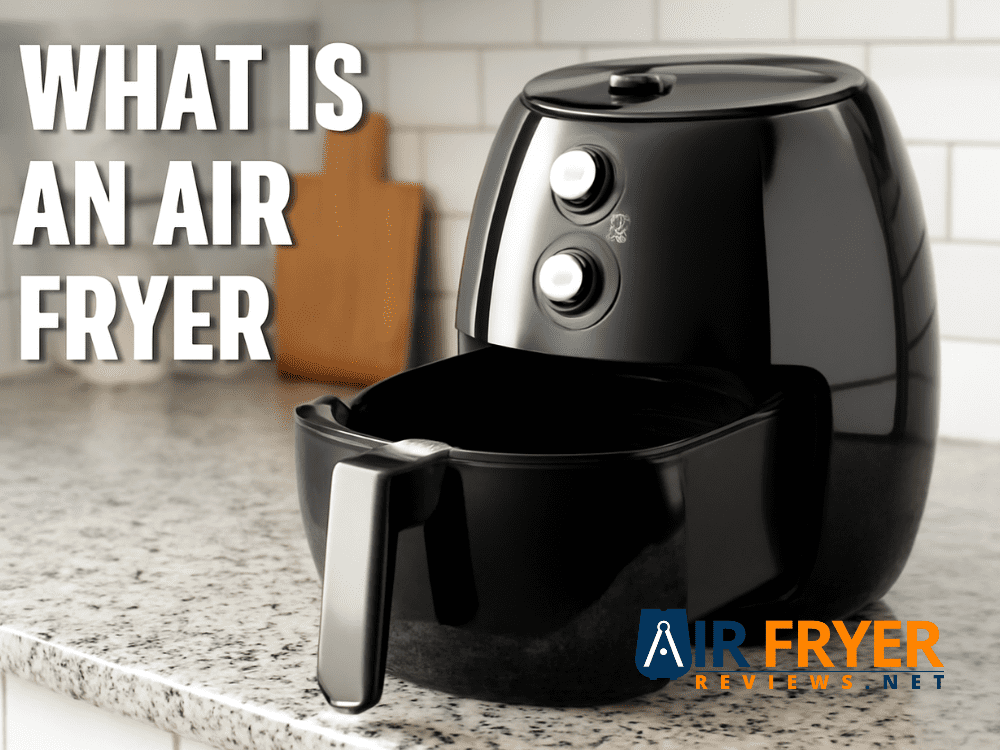

You’ve probably seen it everywhere crispy chicken, golden fries perfectly roasted vegetables all made in something called an air fryer. It promises less oil, faster cooking and easier cleanup. Naturally the question comes up Is it actually worth it?
I understand that hesitation. When a kitchen appliance claims to deliver deep-fried texture without deep frying it sounds almost unrealistic. Some home cooks worry it’s complicated. Others assume it’s limited to frozen snacks. And many simply don’t want another gadget collecting dust on the counter.
Here’s what I’ve found through real home testing air fryers use rapid hot-air circulation to create crisp browned surfaces while using significantly less oil than traditional deep frying. In many recipes just a light mist is enough to get proper texture. That means less grease, less mess and better control over what goes into your food.
Technically an air fryer functions as a compact convection oven. During my testing process, I focus on airflow, spacing and moisture control the key elements that determine whether food turns out crispy or soggy. Contributing chefs have reviewed these techniques to ensure they align with established culinary best practices. When used correctly an air fryer can roast, bake, reheat and crisp with impressive consistency.
In this complete guide, I break down everything you need to know from what air fryer cooking truly involves to which models are worth considering. Each section is designed to help you cook smarter, reduce excess oil and confidently use this modern kitchen appliance the right way.
Understanding the Air Fryer Phenomenon
Air fryers are everywhere from social media feeds to store displays. They’re often promoted as the solution for crispy satisfying food with less oil and less effort.
At the same time hesitation is common. With so many brands, sizes and features available, it’s easy to wonder whether this appliance is genuinely useful or just another short-lived kitchen trend.
Much of the confusion comes from unrealistic expectations. Some buyers assume it will replicate deep-fryer results exactly without understanding how air fryer cooking works. Others are overwhelmed by product claims that focus more on marketing than function.
Once you understand what happens inside the machine the appeal becomes practical rather than hype.
Why Air Fryers Became So Popular
Air fryers gained traction because they align with three growing priorities in modern kitchens:
- Health-conscious cooking
They use significantly less oil compared to traditional deep frying. - Speed and convenience
Faster preheating and shorter cook times simplify weekday meals. - Simpler cleanup
No large pots of oil, splattering grease or lingering odors.
According to the International Housewares Association, air fryer sales have surged dramatically in recent years reflecting consumer demand for compact appliances that combine convenience with healthier cooking options.
What began as a niche product has become a standard countertop appliance in many homes.
My First Real Test
I still remember my first batch clearly. I wasn’t fully convinced when I bought my air fryer. It looked efficient but I questioned whether it could truly replace my frying pan for crisp results.
The first batch of fries changed that. They were crisp on the outside, tender inside and noticeably less greasy. The absence of heavy oil smell in the kitchen was equally impressive.
That moment clarified something important: the appeal wasn’t about trends it was about repeatable results.
What Makes It Work
The air fryer isn’t magic. It’s controlled convection.
By circulating hot air rapidly around food it removes surface moisture and promotes browning. When used correctly this produces crisp textures without deep oil immersion.
Professional insights reviewed with contributing chefs consistently emphasize that success depends on airflow and temperature control. When spacing and heat are managed properly the results are both efficient and reliable.
The Three Core Promises
At its core, the air fryer phenomenon centers around three practical advantages:
- Reduced oil use compared to deep frying
- Faster cooking times for many everyday dishes
- Less cleanup and kitchen mess
Understanding these strengths helps set realistic expectations. When viewed as a compact high-efficiency convection tool rather than a deep-fryer replacement the air fryer’s value becomes clear.
What Exactly Is an Air Fryer? A Clear Definition
If you’ve ever asked what is an air fryer here’s the straightforward explanation:
An air fryer is a compact countertop appliance that uses rapid convection heat to cook food by circulating hot air around it.
The high-speed airflow creates even heat distribution helping food cook quickly while developing a crisp exterior. In practical terms, it functions as a small convection oven with a powerful fan and heating element positioned close to the food for faster more concentrated cooking.
Unlike deep frying food is not submerged in oil. Instead, hot air removes surface moisture and promotes browning, which produces texture similar to frying with significantly less added fat.
Major appliance brands such as Philips and Ninja Kitchen describe their air fryers as rapid air technology ovens designed to deliver crisp golden results with minimal oil.
Why It Fits Modern Kitchens
Air fryers have become popular because they combine:
- Speed
- Efficiency
- Compact design
- Reduced oil usage
They’re commonly used for roasting vegetables reheating leftovers cooking proteins and even baking small batches of desserts. Their versatility makes them practical for both quick weekday meals and simple batch cooking.
Key Takeaways
- It functions as a compact convection oven
- It uses rapid hot air circulation for browning and crisping
- It requires little to no added oil
- It suits health-conscious and time-conscious cooking
Understanding this definition helps set realistic expectations. An air fryer is not a deep fryer replacement it’s a high-efficiency convection appliance designed for faster cleaner cooking.
The Science Behind the Crisp: How Air Fryers Work
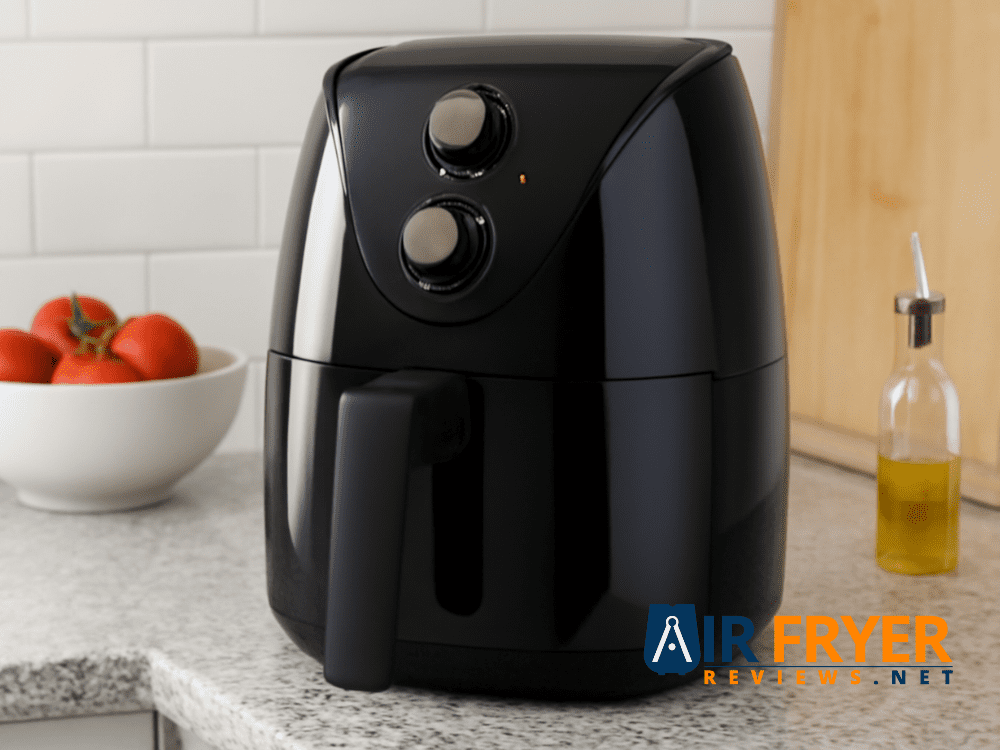
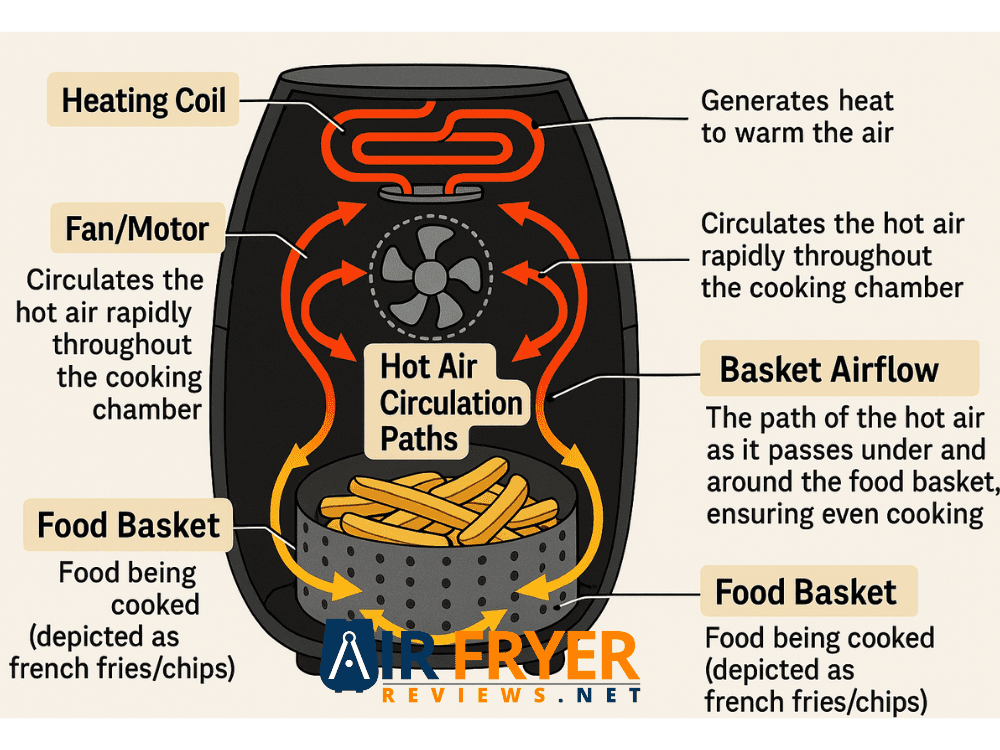
At the core of every air fryer is convection heat. A heating element positioned above the food generates high temperatures, while a built-in fan circulates that hot air rapidly around the basket.
In simple terms: An air fryer cooks by moving fast concentrated hot air around food to create a crisp outer layer with little or no oil.
This constant circulation surrounds the food from all angles allowing it to cook quickly and evenly.
Why Convection Makes a Difference
Traditional ovens also use convection but air fryers operate in a smaller more concentrated chamber. The heating element sits closer to the food and the airflow is stronger and more direct.
The result:
- Faster cooking times
- More efficient moisture removal
- Better surface browning
- Even heat distribution
It’s essentially a compact convection oven optimized for crisping smaller portions.
The Maillard Reaction: The Science of Browning
The crisp, golden finish produced in an air fryer comes from the Maillard reaction a natural chemical reaction that occurs when heat transforms proteins and sugars on the surface of food.
This reaction:
- Develops golden-brown color
- Enhances flavor complexity
- Creates a firmer outer texture
For the Maillard reaction to happen effectively surface moisture must evaporate. The air fryer’s high-speed airflow accelerates this drying process allowing browning to occur without submerging food in oil.
How Design Supports Performance
Air fryer performance depends heavily on airflow design. Many leading manufacturers including Philips, engineer their models with:
- Curved baskets
- Mesh or perforated bases
- Rear or side vent systems
These design elements guide hot air evenly around the food preventing steam buildup and encouraging uniform crisping.
Achieving Crispness Without Deep Frying
Deep frying works by immersing food in hot oil which transfers heat rapidly and penetrates the outer layer slightly.
Air frying takes a different approach.
Instead of oil immersion it relies on:
- Surface dehydration
- High-velocity airflow
- Concentrated heat exposure
A small amount of oil can enhance browning and flavor but it is not required for crisping. The circulating air performs most of the work.
The texture difference is subtle but noticeable. Deep-fried foods tend to have a heavier oil-saturated crunch. Air-fried foods are lighter and less greasy allowing the natural flavor of ingredients to stand out.
Why Balance Matters
Consistent crisp results depend on three factors working together:
- Air speed
- Temperature control
- Basket airflow design
When these elements are balanced correctly air fryers produce evenly browned crisp exteriors with minimal added fat.
Why Air Fry? Unpacking the Core Benefits
One of the main reasons people adopt air fryer cooking is improved control over oil use. Traditional deep frying submerges food in hot oil which significantly increases fat and calorie content. In contrast, air fryers rely on circulating hot air to create crispness reducing the need for added oil.
In simple terms: An air fryer lowers fat and calorie intake by using rapid hot air instead of oil immersion to crisp food.
During testing in my own kitchen, I’ve found that even a light mist of oil is often enough to enhance browning. A small amount spreads efficiently across a batch whereas deep frying requires a full pot of oil that food partially absorbs.
Calorie Comparison at a Glance
While exact numbers vary by portion size and preparation the differences are noticeable.
| Food Item | Deep Fried (Avg.) | Air Fried (Avg.) | Estimated Difference |
|---|---|---|---|
| French Fries (1 cup) | 220-250 kcal | 140-160 kcal | ~30-40% fewer calories |
| Chicken Wings (3 pcs) | 290-320 kcal | 190-210 kcal | ~80-100 kcal savings |
Over time, these reductions can make a meaningful impact especially for families aiming for gradual sustainable dietary changes.
That said healthier cooking also depends on ingredient choices. Air frying reduces oil use but balanced meals still matter.
Speed, Convenience and Versatility
Air fryers are designed for efficiency.
They:
- Preheat in minutes
- Cook smaller portions faster than a conventional oven
- Require minimal monitoring
In my own routine switching to an air fryer noticeably shortened weeknight prep time. Meals that once required 40-45 minutes often finish closer to 20-25 minutes without constant stove supervision.
Ease of use is another advantage. Many models include:
- Digital temperature controls
- Preset cooking programs
- Automatic shut-off features
They work well for quick dinners, snacks and reheating leftovers especially when crisp texture matters.
Beyond frying, air fryers can:
- Roast vegetables
- Bake small-batch desserts
- Toast or reheat baked goods
- Cook proteins evenly
Exploring these functions reveals that the appliance is far more versatile than its name suggests.
Beyond Cooking: Practical Advantages
1. Less Mess and Odor
The enclosed cooking chamber minimizes oil splatter and reduces lingering fried smells.
2. Energy Efficiency
For small portions using an air fryer consumes less energy than heating a full-sized oven.
3. Added Safety
Without an open pot of hot oil the risk of burns or grease fires is significantly lower.
Basic precautions still apply:
- Place the unit on a flat, heat-resistant surface
- Allow space for ventilation
- Avoid blocking air vents
- Unplug after use
These simple habits support safe and consistent performance.
The Bigger Picture
An air fryer is not simply a shortcut appliance. It represents a balance between convenience and more mindful cooking. It allows you to enjoy crisp textures with less grease faster preparation and easier cleanup.
Air Fryer Showdown: Comparing Cooking Methods
Choosing between cooking methods often comes down to health efficiency and the type of meals you prepare most often. After testing different approaches in my own kitchen the differences become clear once you compare oil use, texture and convenience.
Air Fryer vs. Deep Fryer: A Healthier Alternative
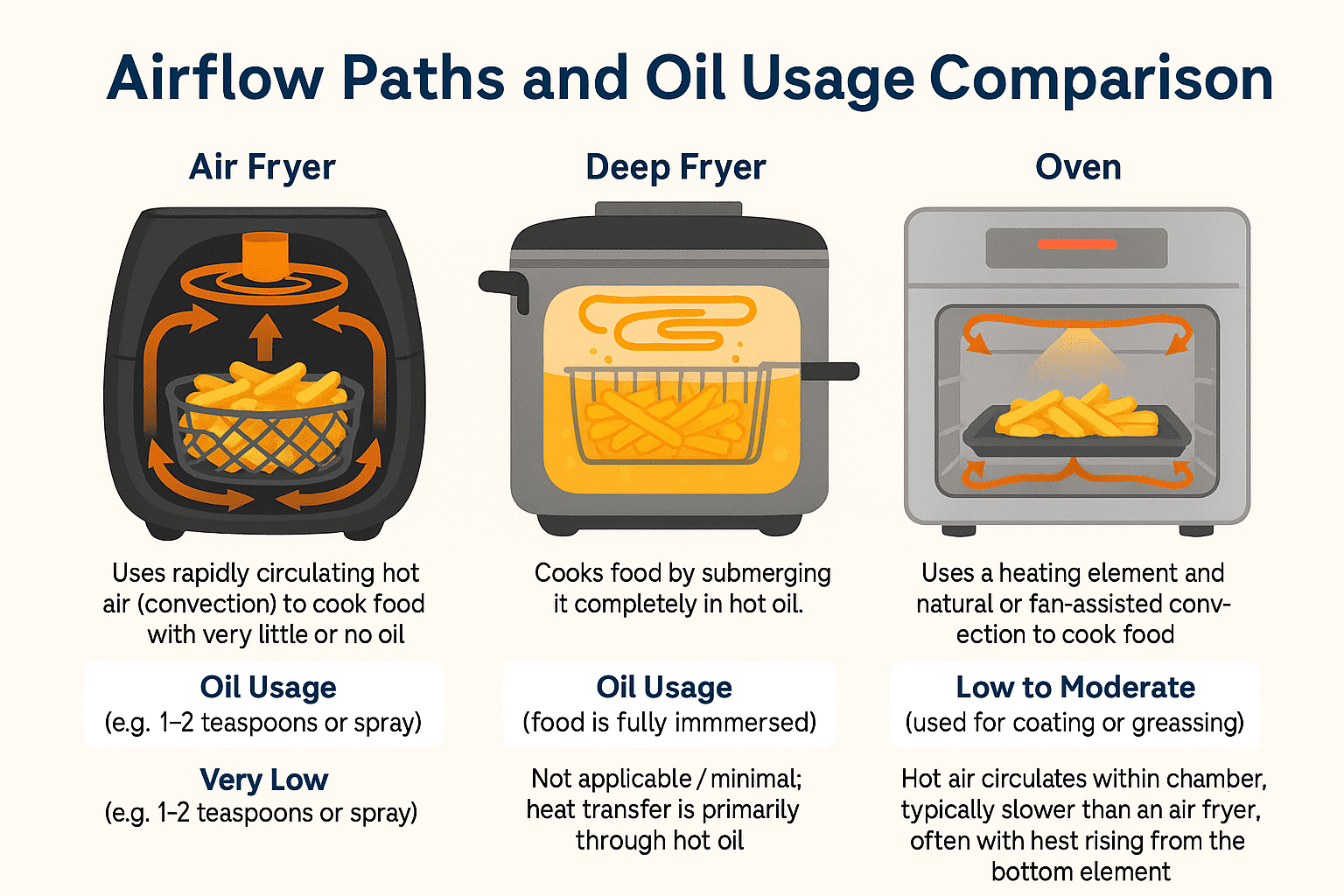
Core Difference: An air fryer uses rapid hot air circulation to crisp food with little or no oil. A deep fryer submerges food in hot oil significantly increasing fat and calorie content.
Oil Usage
A typical deep fryer requires 4-6 cups of oil per batch.
An air fryer usually needs a light spray or about one tablespoon.
That reduction can lower overall oil usage by up to 90% which directly affects calorie intake and fat content.
Health Considerations
Air frying reduces added fat but ingredients still matter. Using fresh vegetables or light beef burger proteins will naturally produce better results than relying on heavily processed frozen foods.
The method is lighter not a shortcut to automatically “healthy” meals.
Crispness & Flavor
Deep frying produces a thicker oil-infused crust because the food is fully immersed. Air frying creates a lighter cleaner crisp through surface dehydration and browning.
In side-by-side testing with fries and wings the flavor remained comparable but the air-fried version felt less greasy and fresher after eating.
Cleanup
Deep frying requires oil disposal and extensive cleaning.
Air fryers simplify cleanup remove the basket, wash and wipe down.
Safety
Deep fryers involve hot oil that can splatter or spill. Air fryers operate in an enclosed chamber and often include automatic shut-off and cool-touch exteriors.
Verdict: For everyday cooking the air fryer offers advantages in oil reduction, ease of cleaning and safety. Deep fryers may still be preferred for certain traditional recipes but for routine meals air frying is generally more practical.
Air Fryer vs. Oven Frying: Efficiency & Results
Both methods use convection heat but their performance differs due to chamber size and airflow concentration.
Speed
Conventional ovens typically require 10-15 minutes to preheat.
Most air fryers reach temperature in 2-3 minutes.
For quick snacks or small dinners that time difference is significant.
Crispness
Air fryers have smaller chambers and more concentrated airflow. The fan and heating element sit closer to the food creating stronger circulation.
This focused airflow often produces faster and more consistent crisping compared to a full-sized oven where heat is distributed across a larger space.
Capacity
Ovens maintain an advantage for large meals. Cooking for a family or preparing multiple trays is more efficient in a traditional oven.
For smaller portions the air fryer performs better due to reduced preheat time and concentrated heat.
Energy Efficiency
When cooking for one or two people using an air fryer consumes less energy than heating a full oven. For larger batches the oven may be more efficient overall.
Balanced Perspective
Air fryers excel at:
- Quick meals
- Reheating leftovers
- Small-batch crisping
- Weeknight convenience
Ovens remain ideal for:
- Large roasts
- Multi-dish baking
- Delicate desserts requiring steady, even heat
Final Takeaway
There isn’t a single “winner.” Each appliance serves a purpose.
For speed, reduced oil use and crisp texture in smaller portions the air fryer stands out. For larger volumes and traditional baking the oven remains essential.
Choosing Your Perfect Air Fryer: Basket vs. Oven Style
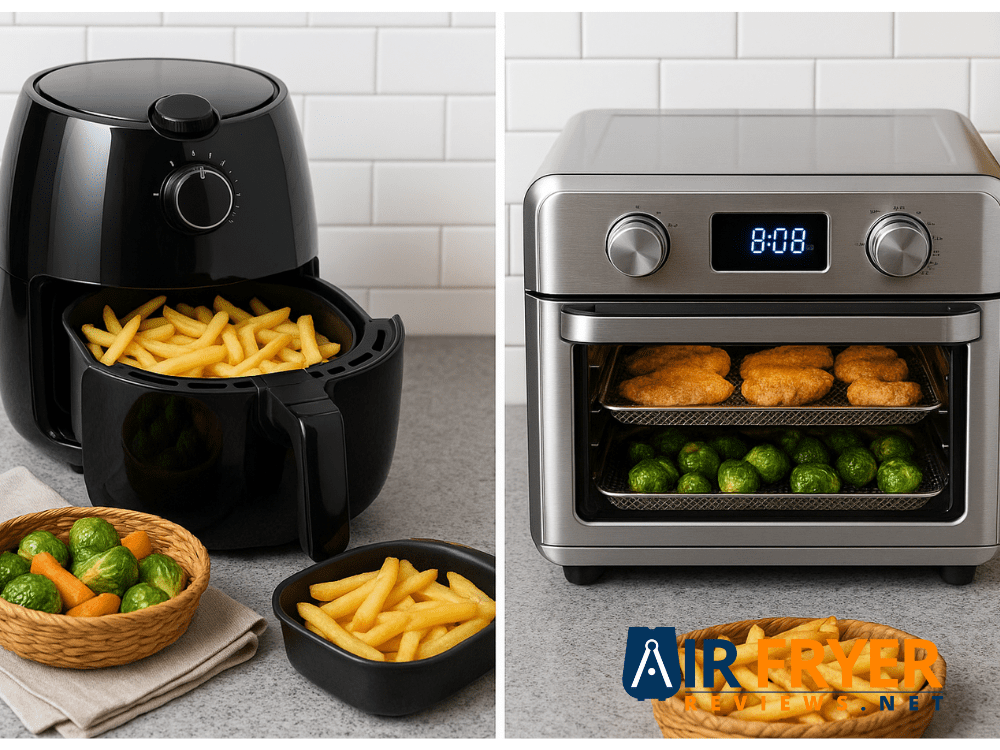
The two primary types of air fryers are basket-style and oven-style models. Both rely on rapid hot air circulation but they differ in capacity, features and ideal use cases.
Choosing the right one depends on your household size, cooking habits and available counter space.
Basket-Style Air Fryers: Compact & Efficient
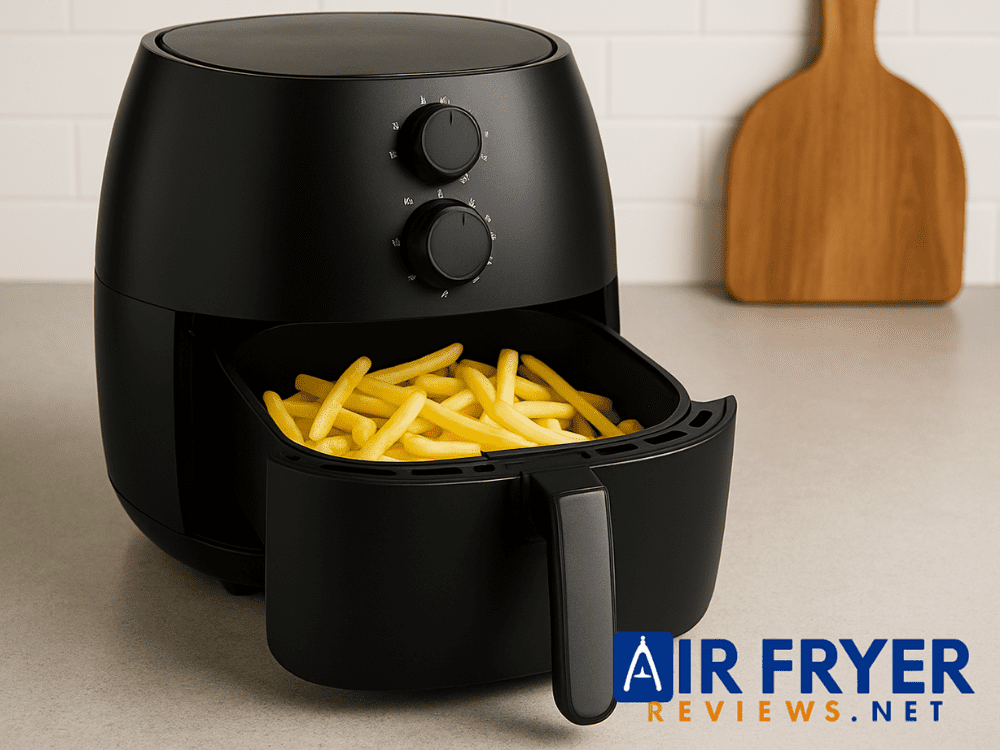
Basket-style models are the most common. They feature a pull-out drawer with a perforated basket and a heating element positioned above it. Hot air circulates quickly in a tight chamber, creating fast even crisping.
Popular examples include models from Ninja Kitchen and Philips both known for compact high-performance designs.
Pros
- Smaller footprint ideal for tight kitchen spaces
- Fast preheating and efficient cooking
- Generally more affordable
- Simple controls beginner-friendly
Cons
- Limited capacity (typically 2-5 quarts)
- Not ideal for large batches
- Fewer specialty features like rotisserie
In my own testing, basket-style units consistently deliver excellent crispness for fries, wings and quick weeknight meals. Their concentrated airflow makes them especially efficient for small portions.
Best For: Individuals, couples or small families who prioritise speed and easy cleanup.
Oven-Style Air Fryers: Versatility for Larger Households
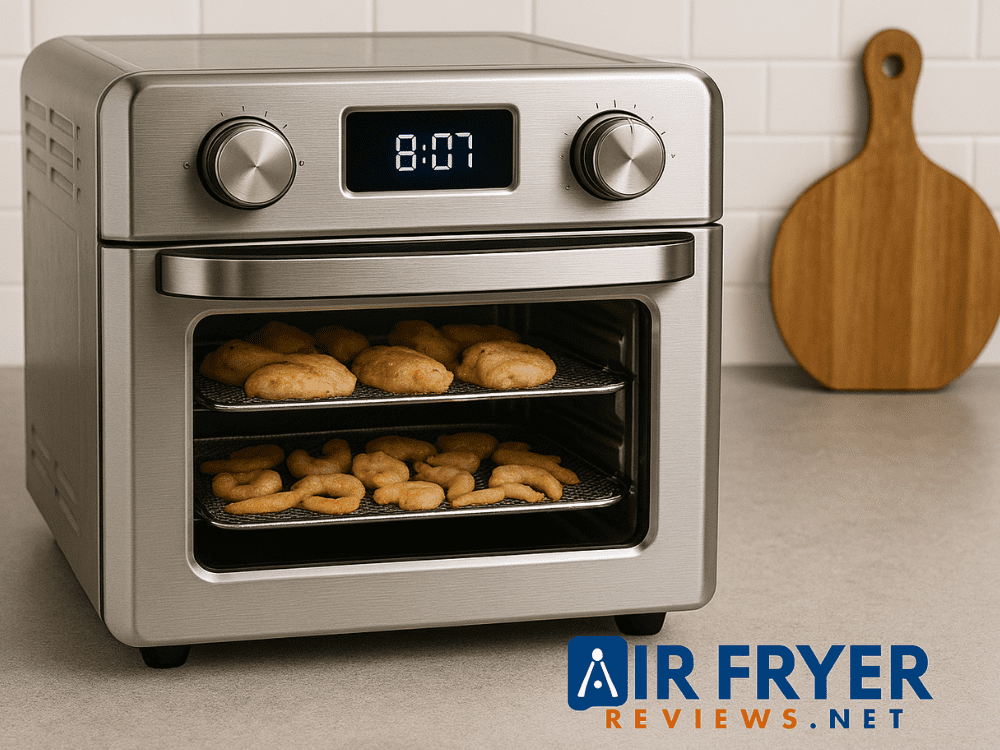
Oven-style air fryers resemble compact convection ovens. They often include multiple racks a glass viewing door and optional accessories like rotisserie spits or dehydration trays.
Pros
- Larger capacity
- Multi-rack cooking
- Broader functionality (roasting, baking, dehydrating)
- Better for batch cooking
Cons
- Requires more counter space
- Slightly longer preheating time
- Higher upfront cost
These models handle bigger meals well. If you enjoy experimenting with recipes or preparing multiple components at once the additional space can be useful.
Best For: Larger families or home cooks who want versatility beyond basic crisping. wanting versatility and expanded cooking options.
How to Decide: Key Considerations
When choosing the best air fryer for your kitchen evaluate the following:
1. Family Size
- 1-2 people: Basket-style is usually sufficient
- 4+ people: Oven-style may save time with larger capacity
2. Counter Space
Measure carefully. Oven-style units require more clearance for ventilation.
3. Budget
Basket models are typically more affordable. Oven-style units justify their price with expanded features.
4. Cooking Goals
If you want rotisserie, dehydration or multi-level baking, oven-style models provide greater flexibility.
Final Takeaway
There is no universal “best” air fryer. The right choice depends on how you cook and how much space you have.
If you value speed, compact design and quick cleanup a basket-style model is often ideal.
If you cook larger meals or enjoy experimenting with multiple functions an oven-style unit may be worth the extra space.
Beyond Fries: Culinary Versatility of Your Air Fryer
Air fryers are often associated with fries and wings but their capabilities extend much further. At its core an air fryer functions as a compact convection oven making it suitable for a wide range of meals throughout the day.
In short: You can cook far more than fries in an air fryer from roasted vegetables and baked goods to proteins, breakfasts and reheated leftovers often with less oil and shorter cooking times.
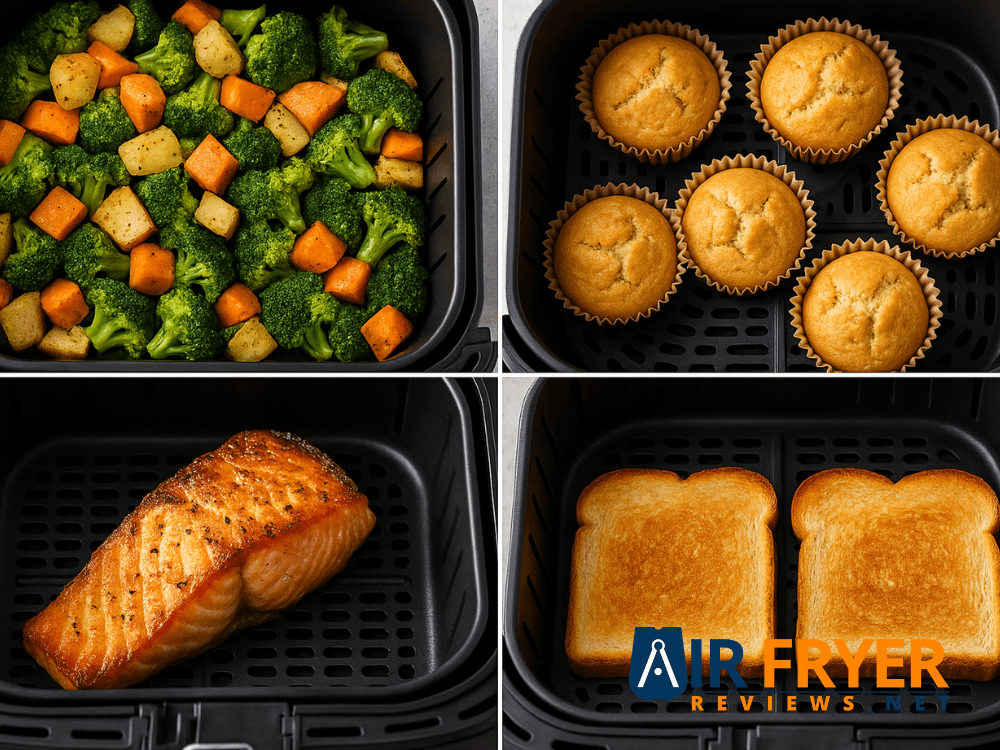
Roasting Vegetables
Vegetables respond especially well to rapid airflow.
Broccoli, Brussels sprouts, zucchini or stuffed mushrooms develop caramelized edges and tender centers in less time than most conventional ovens. A light drizzle of oil and proper spacing in the basket help promote even browning.
Baking Small Batches
Air fryers handle small baked goods surprisingly well.
- Muffins
- Cookies
- Mini cakes
- Baked apples
Because the cooking chamber is compact airflow remains concentrated. This encourages consistent browning without overcooking the edges especially helpful for small portions.
Reheating Leftovers
One of the most practical uses is reheating.
Pizza slices, spring rolls, fried chicken and pastries regain crispness in minutes. Unlike microwaves the air fryer removes surface moisture rather than trapping steam restoring texture more effectively.
Breakfast Options
Air fryers are efficient for quick breakfast preparation.
They can:
- Toast bread
- Crisp bacon
- Reheat pastries
- Bake eggs in ramekins
For busy mornings the short preheat time makes a noticeable difference.
Cooking Proteins
From ribeye steak to pork chops and salmon fillets the air fryer produces even cooking with a well-browned exterior.
In testing, I’ve found that proteins benefit most when patted dry before cooking and arranged in a single layer. Proper airflow is key to achieving a clean crisp finish.
Optimizing Your Air Fryer for Best Results
Success with an air fryer depends more on technique than complicated recipes. Small adjustments often make the biggest difference.
1. Preheat
Allow 2-3 minutes for the unit to reach temperature. Starting hot encourages immediate surface browning.
2. Avoid Overcrowding
Leave space between pieces. Crowding restricts airflow and reduces crispness. Cook in batches when necessary.
3. Shake or Flip Midway
Turning food halfway through promotes even browning and prevents uneven texture.
4. Cut Food Evenly
Uniform pieces cook more consistently reducing the risk of undercooked centers or overbrowned edges.
5. Adjust Oven Recipes
When converting conventional oven recipes:
- Start with slightly lower temperatures
- Reduce cooking time
- Check doneness early
Each Cosori air fryer model performs slightly differently. Learning your specific unit’s timing and airflow pattern improves consistency over time.
Final Takeaway
An air fryer is not limited to snack foods. When used thoughtfully, it becomes a versatile everyday appliance capable of handling multiple meals with efficiency and control.
Its true advantage lies in speed, consistent airflow and reduced oil use making it a practical tool for modern kitchens focused on convenience without sacrificing texture.
Your First Air Fryer Meal: A Step-by-Step Guide
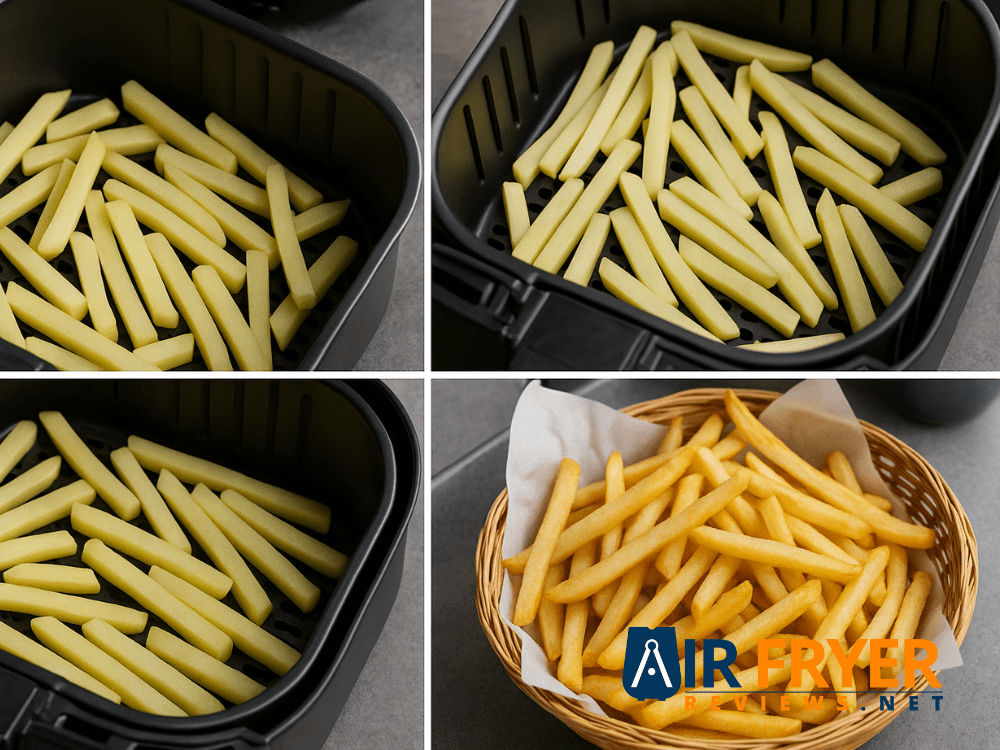
To cook your first meal in an air fryer, wash the removable parts place the unit on a stable surface with proper ventilation preheat for 3-5 minutes arrange food in a single layer and shake halfway through cooking for even crisping.
Starting simple helps you understand how your specific model heats and circulates air.
Setting Up for Success
A few smart setup steps improve both safety and performance.
1. Unboxing and Initial Cleaning
Remove all packaging materials before use. Wash the basket, drawer and removable accessories with warm, soapy water. Dry thoroughly before reassembling.
This removes any manufacturing residue and ensures clean flavor for your first meal.
2. Proper Placement and Ventilation
Place the air fryer on a flat heat-resistant surface. Leave at least 5 inches of clearance around the unit to allow proper airflow.
Avoid:
- Placing it directly against walls
- Tucking it under cabinets
- Using extension cords
- Positioning near flammable materials
Good ventilation prevents overheating and supports consistent cooking performance.
Cooking Your First Dish: Frozen Fries or Chicken Nuggets
Frozen air fryer corn dogs are ideal for beginners because they’re forgiving and respond well to high airflow.
Here’s a simple step-by-step breakdown:
| Step | Action | Tip |
|---|---|---|
| 1 | Wash & Dry Basket | Ensures clean flavor |
| 2 | Place Air Fryer Safely | Leave 5 inches of space |
| 3 | Preheat | 375°F (190°C) for 3-5 minutes |
| 4 | Prepare Food | Light oil mist optional for extra crispness |
| 5 | Load Basket | Arrange in a single layer |
| 6 | Set Time & Temp | Fries: 375°F for 12-15 min Nuggets: 380°F for 10-12 min |
| 7 | Shake or Flip | Halfway through cooking |
| 8 | Check Doneness | Nuggets must reach 165°F (74°C) |
Why Shaking Matters
Shaking the basket halfway through prevents soggy spots and promotes even browning. For fries shaking every 5 minutes improves texture noticeably.
Because air fryers rely on circulation moving the food helps expose all surfaces to heat.
Food Safety Reminder
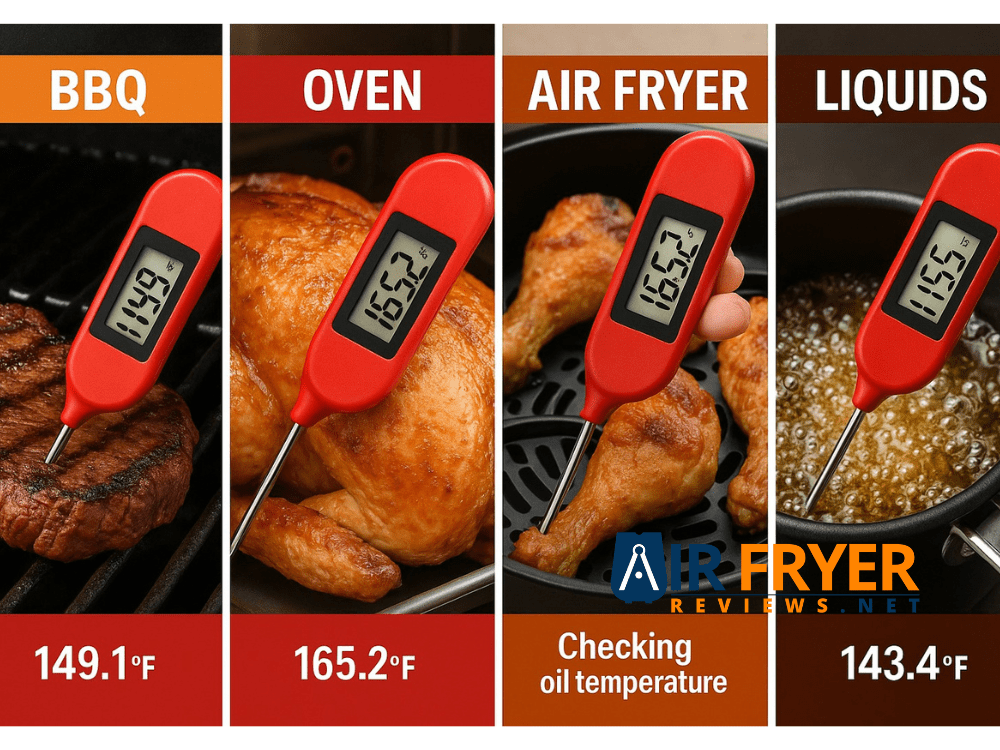
For air fryer chicken leg quarters use an instant-read thermometer. The internal temperature should reach 165°F (74°C) before serving.
Final Takeaway
Your first air fryer meal is about learning how your appliance behaves.
Start with something simple. Observe how quickly it browns how strong the airflow feels and whether it runs slightly hot or cool. Once you understand its rhythm you can confidently move on to vegetables, proteins and baked goods.
Mastering Your Air Fryer: Tips, Troubleshooting & Maintenance
Consistent air fryer results come down to small repeatable habits. Once you understand airflow, spacing and cleaning basics performance becomes reliable.
Here’s how to refine your technique and keep your appliance running smoothly.
Smart Technique Tips
Use a Light Oil Spray
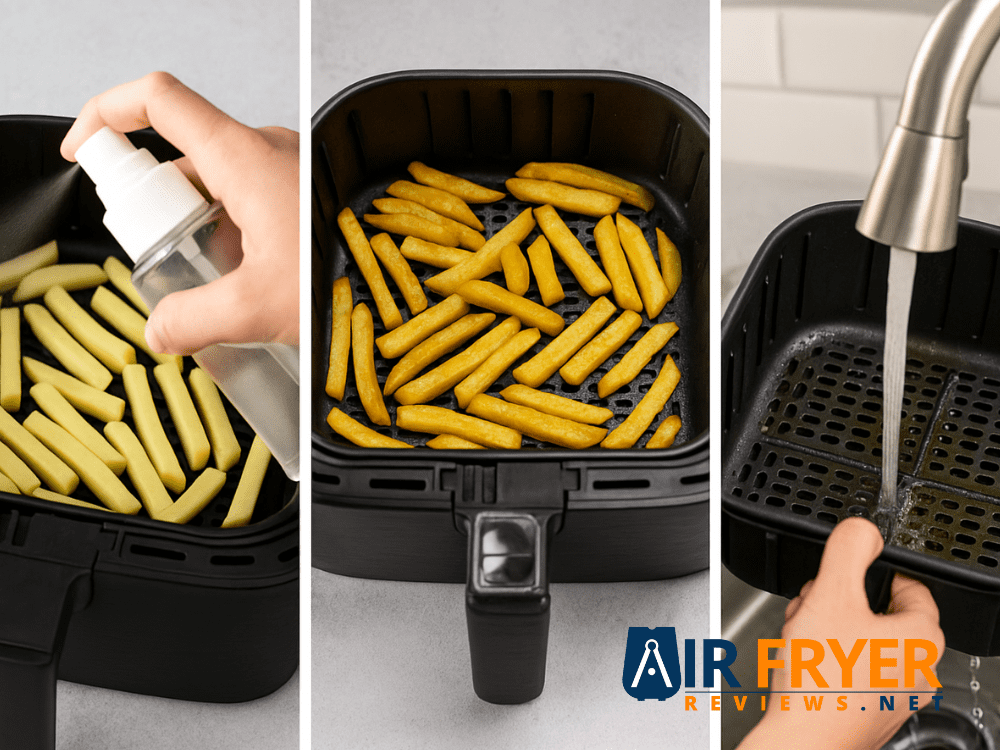
A small amount of oil enhances browning without oversaturating food. A refillable stainless-steel oil spritzer distributes oil evenly and gives better control.
Avoid aerosol sprays. Their propellants can damage non-stick coatings over time.
Line the Basket Correctly
Perforated parchment paper or silicone liners can simplify cleanup and reduce sticking.
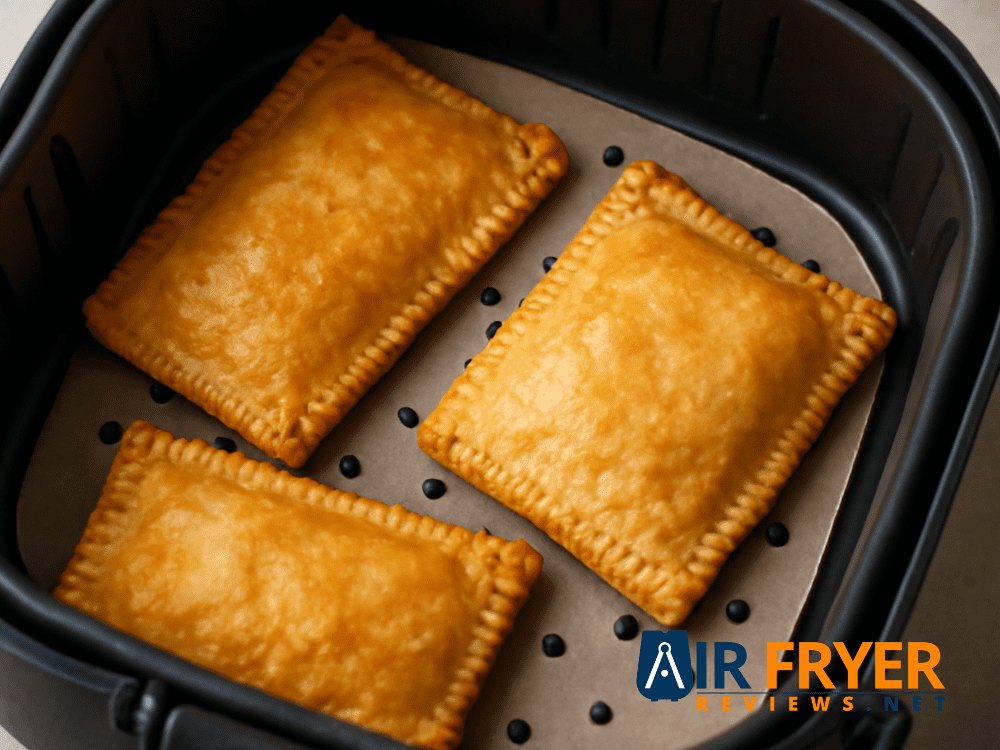
Important: Always leave holes or gaps so hot air can circulate properly. Blocking airflow reduces crispness.
Use an Instant-Read Thermometer
Safe internal temperatures matter especially for poultry and meat. Chicken should reach 165°F (74°C) internally. Verifying temperature removes guesswork and prevents overcooking.
Explore Accessories
Accessories expand your cooking range:
- Skewers for kebabs
- Small baking pans for casseroles
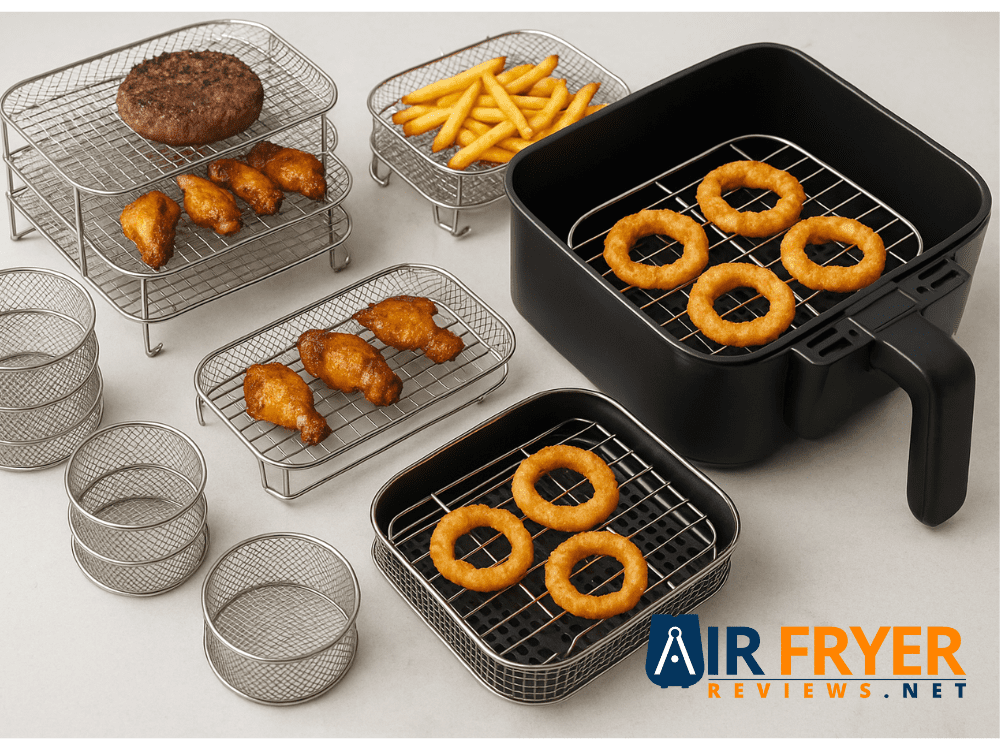
- Grill racks for layered cooking
Treat your air fryer like a compact test kitchen. Experimenting with controlled adjustments improves precision over time.
Troubleshooting Common Air Fryer Issues
Most problems stem from airflow or moisture. They’re easy to fix once identified.
1. Food Isn’t Crispy or Turns Out Soggy
Solutions:
- Avoid overcrowding
- Cook in smaller batches
- Increase temperature slightly
- Extend cooking time in small increments
- Shake or flip halfway through
Crispness depends on airflow. If air can’t circulate freely moisture remains trapped.
2. Uneven Cooking or Browning
Solutions:
- Cut ingredients into uniform sizes
- Flip or shake midway
- Leave space between pieces
Uniform size ensures even heat exposure.
3. Food Sticking to the Basket
Solutions:
- Lightly spray the basket before cooking
- Use perforated liners
- Clean residue after each use
Built-up residue reduces non-stick performance.
4. White Smoke Appearing
Solutions:
- Turn off the appliance and allow it to cool
- Clean excess grease from the basket and drawer
- For fatty foods like crispy air fryer bacon bits place a small piece of bread under the basket to absorb drippings
White smoke often comes from burning fat not mechanical failure.
Cleaning & Maintenance for Longevity
Routine care improves both performance and lifespan.
After Each Use
- Let the unit cool
- Wash the basket and drawer with warm, soapy water
- Dry thoroughly before reassembling
Cleaning immediately prevents residue from hardening.
Weekly or Routine Cleaning
- Unplug the unit
- Wipe the exterior with a damp cloth
- Wash removable parts using a soft sponge and mild detergent
- Avoid abrasive scrubbers
Deep Cleaning (Every Few Weeks)
- Gently wipe the heating element with a damp cloth or soft brush
- Remove grease buildup from the interior
- Ensure the unit is completely dry before next use
Storage Tips
- Store in a cool, dry place
- Leave the basket slightly ajar to prevent odor buildup
- Keep the cord loosely wrapped and untangled
- If unused for a while run a short preheat cycle before cooking again
Final Takeaway
Mastering your air fryer comes down to rhythm:
Cook with proper spacing.
Monitor temperature.
Clean promptly.
Adjust thoughtfully.
When treated with care and consistency an air fryer delivers dependable results and years of efficient cooking.
Separating Fact from Fiction: Debunking Air Fryer Myths
As air fryers have grown in popularity so have misconceptions about what they can and cannot do. Some expectations are exaggerated while others underestimate their capabilities.
Here’s a clear breakdown of the most common myths and what actually happens in real kitchens.
Myth 1: Air-Fried Food Tastes Exactly Like Deep-Fried
Reality: Air-fried food is crispy but the texture is lighter and less oil-heavy than deep-fried food.
Deep frying submerges food in oil which creates a thicker oil-infused crust. Air frying relies on rapid hot-air circulation to remove surface moisture and trigger browning. The result is crisp and flavorful but cleaner and less greasy.
In my own testing, fries and wings come close in crunch but the finish feels noticeably lighter which many people prefer. Air frying is a healthier alternative not a direct copy of deep frying.
Myth 2: Air Fryers Cook Instantly
Reality: They cook faster than conventional ovens but they still require proper timing.
Because of their compact chamber and rapid airflow air fryers preheat quickly and often reduce cooking times. However, food still needs adequate time to brown and cook through.
For example:
- Fries typically take 12-15 minutes
- Chicken wings often require 18-20 minutes depending on size
Cutting time too aggressively usually results in uneven texture.
Myth 3: You Can’t Cook Healthy Meals in an Air Fryer
Reality: Air fryers are well suited for lean proteins and vegetables.
While many people associate them with frozen snacks they also work exceptionally well for:
- Roasted vegetables
- Salmon fillets
- Chicken breast
- Tofu
- Pillsbury cinnamon rolls
- Baked fruit snacks
The method uses minimal oil and encourages surface browning without added fat. That flexibility allows you to prepare either indulgent or nutrient-focused meals the ingredients determine the outcome.
Air frying doesn’t automatically make food healthy but it gives you greater control over oil use.
Myth 4: It’s Just a Mini Convection Oven – So It’s Unnecessary
Reality: Air fryers and convection ovens share technology but differ in intensity and scale.
Both rely on circulating hot air. However, air fryers:
- Have smaller cooking chambers
- Position the heating element closer to the food
- Generate more concentrated airflow
This design produces faster crisping in smaller portions.
Convection ovens remain better for:
- Large roasts
- Multi-rack baking
- Delicate desserts requiring steady heat
Air fryers excel at:
- Small meals
- Quick snacks
- Reheating leftovers
- Faster crisping
They complement rather than replace each other.
Final Perspective
Many myths stem from misunderstanding expectations. Air fryers are not magic devices, nor are they unnecessary duplicates of existing appliances.
They are compact, high-efficiency convection tools designed to:
- Reduce oil usage
- Shorten cooking time
- Improve crisp texture
- Simplify cleanup
Understanding what they do and what they don’t helps set realistic expectations and leads to better results.
Final Verdict: Is an Air Fryer Right for Your Kitchen?
The air fryer has earned a strong reputation for speed and convenience. Still, it isn’t a universal solution for every kitchen. Whether it fits your routine depends on how you cook and what you prioritize most.
Benefits at a Glance
Healthier Cooking
Air fryers can use up to 80% less oil than traditional deep frying. This reduces added fat while still delivering crisp texture and strong flavor.
Convenience
- Fast preheating
- Shorter cook times
- Minimal cleanup
For many households these factors make weekday cooking noticeably easier.
Versatility
An air fryer handles more than fries. It can roast vegetables, cook proteins, bake bread rolls and reheat leftovers with restored texture.
Important Considerations
Limited Capacity
Basket-style models may not be ideal for large families or batch cooking.
Noise
The fan is audible during operation. It’s not excessive but it is noticeable.
Counter Space
Oven-style units require more room and clearance for ventilation.
In practical use, air fryers work best as efficient companions not replacements for ovens and stovetops.
Who Benefits Most?
An air fryer is especially useful for:
- Beginners who want simple, low-mess cooking
- Health-conscious cooks aiming to reduce oil
- Busy families needing faster weeknight meals
- Small households or apartment kitchens
If your primary goals are speed, crisp texture and less cleanup the air fryer addresses those pain points effectively.
Making the Right Decision
Consider:
- How often you cook
- Portion sizes you typically prepare
- Available counter space
- Whether you value faster, small-batch meals
If you frequently prepare quick lunches, snacks or weeknight dinners, an air fryer can become a reliable everyday tool. If you often cook for large gatherings or bake elaborate multi-dish meals it works best as a complementary appliance rather than a replacement.
Final Takeaway
An air fryer is not about replacing traditional cooking methods. It’s about improving efficiency and reducing oil without sacrificing texture.
In my experience once you understand its strengths concentrated airflow, quick heating and simple cleanup it becomes a practical part of the routine rather than a trend-driven purchase.
Starting small is often the best approach. Test it with roasted vegetables or a batch of fries. Learn how your model performs. From there, you’ll quickly know whether it deserves a permanent place on your counter.