
The Best Fluffy Pancakes recipe you will fall in love with. Full of tips and tricks to help you make the best pancakes.
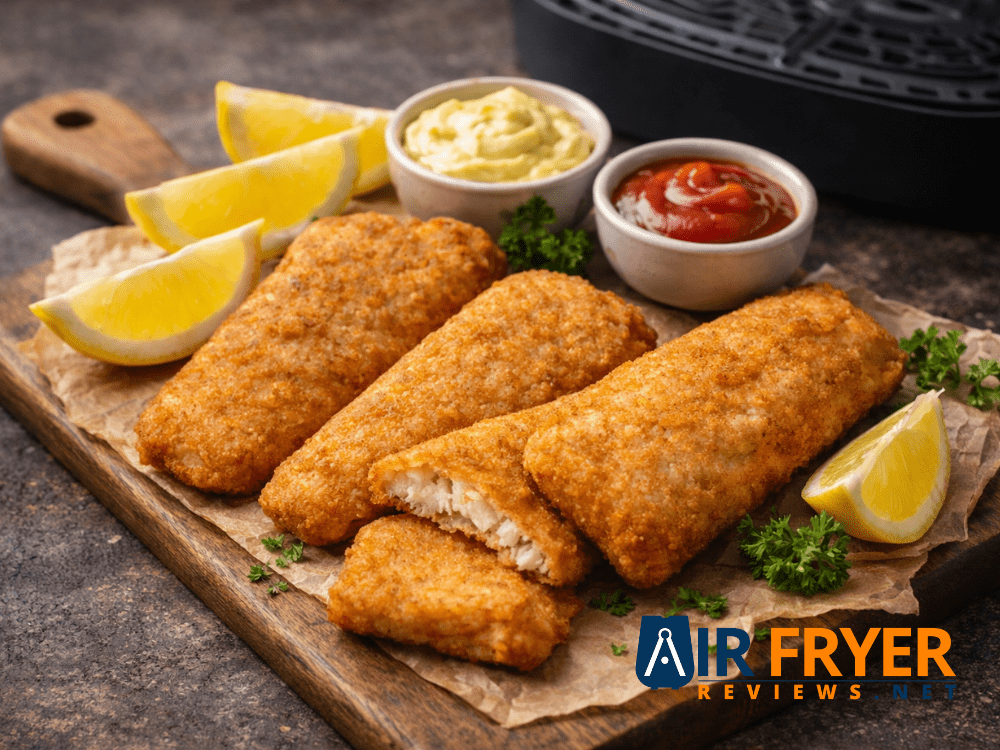

Frozen fish shouldn’t mean settling for soft breading or uneven results. Yet many times it comes out pale on the outside or dry in the middle especially when you’re rushing through a busy day. The good news is your air fryer can completely change that story even for reheating pizza. With the right method air fryer frozen fish fillets turn out crispy, golden and perfectly flaky straight from the freezer.
Think of this as your go-to method for quick reliable meals. Whether you’re trying frozen fish fillets in air fryer for the first time or you’ve struggled with soggy or overcooked results before this guide gives you a clear, repeatable approach that works. You’ll learn the best way to cook them how to set the right time and temperature and how to avoid common mistakes like undercooked centers or dry texture.
From my own testing, this method became a weeknight lifesaver. I’ve cooked batch after batch of air fryer fish fillets sometimes in a rush sometimes experimenting and those small wins (and mistakes) shaped everything you’ll learn here. So instead of guessing you’ll have a method you can rely on every time.
The Air Fryer Advantage: Why Frozen Fish Works So Well
Cooking from frozen doesn’t have to mean compromising on texture. In fact when done right the air fryer turns frozen fish into something that feels far more deliberate than a last-minute meal.
What makes the difference is how it cooks. Instead of relying on slow uneven heat the air fryer uses rapid hot air circulation to crisp the outside while gently heating the inside. The result is a fillet that’s golden on the outside and tender and flaky inside without thawing or extra effort.
From my experience this is exactly what makes it so reliable on busy days. You can go straight from freezer to basket and still get consistent results.
Why It Works So Well
Professionals often emphasize two things for great texture steady heat and proper airflow. The air fryer delivers both in a compact controlled environment which is why it handles frozen foods particularly well.
Key Benefits at a Glance
| Benefit | What It Means for You |
|---|---|
| Speed & Convenience | Cook directly from frozen no thawing required |
| Lighter Cooking | Get crisp results with little to no added oil |
| Better Texture | Crispy coating outside flaky inside |
| Easy Cleanup | No oil splatter or multiple pans to wash |
| Reliable Meals | Keep frozen fillets or even frozen burgers on hand for quick dinners |
Why This Matters in Real Life
For everyday cooking, this method simplifies everything:
- No waiting for food to thaw
- No heavy, oily cooking methods
- No guesswork around timing and texture even if you’re new to using an air fryer.
I’ve found this especially helpful on weeknights when you want something quick but still satisfying. Once you get used to it frozen fish stops feeling like a backup option and becomes something you can rely on.
Your Essential Toolkit for Air Frying Fish
Before you start, having the right fish and a simple setup makes a big difference. It turns guesswork into a method you can rely on even on busy days when you’re cooking straight from the freezer.
Choosing Your Frozen Fish Fillets
Most options you’ll find in the freezer aisle fall into a few common types. Each one behaves slightly differently in the air fryer:
- Cod: Mild, flaky and ideal for classic crispy fillets
- Tilapia: Very light flavor and cooks quickly
- Salmon: Rich and buttery great for a more filling meal
- Haddock: Slightly sweet with a delicate texture
- Pollock: Common in fish sticks and sandwiches crisps up well
- Mahi-Mahi: Firmer texture, holds up well with bold seasoning
From my experience cod and haddock are the most forgiving if you’re aiming for that crispy flaky balance.
Battered vs. Plain Fillets
This choice affects both texture and cooking approach.
Battered or Breaded
- Designed for a crispy coating
- Needs space in the basket for airflow
- Benefits from a light oil spray for even browning
Perfect when you want that “fried-style” finish without deep frying.
Plain (Unbreaded) Fillets
- Cook slightly faster
- Lighter overall texture
- Work best with a simple oil and seasoning
These are a great option if you prefer a cleaner less heavy meal.
Choosing Better Quality Fish
If you want more consistent results quality matters.
- Look for clear labeling (type of fish, source or farming method)
- Choose brands that feel reliable and consistent
- If possible, go for responsibly sourced options
This doesn’t just affect sustainability it also improves texture and flavor when cooking.
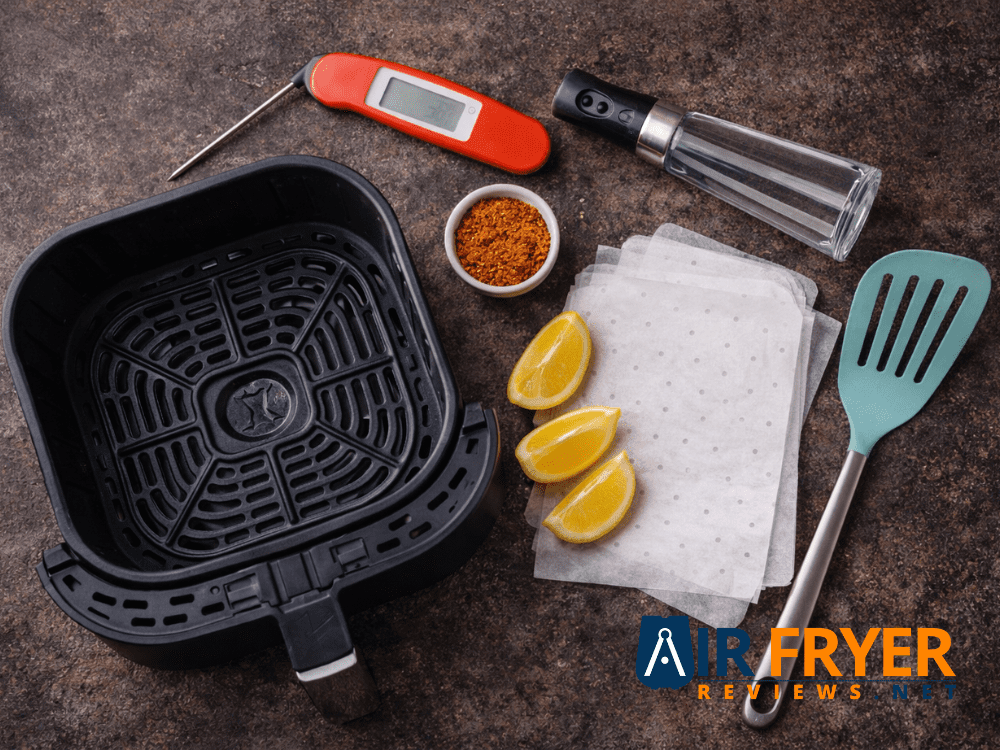
Essential Equipment & Ingredients
You don’t need a professional setup to get great results but a few key tools can make the process easier and more consistent. From my experience the right equipment removes guesswork and helps you get better texture every time.
1. Air Fryer (Basket vs. Oven-Style)
Both types work well it just depends on your needs.
Basket-Style:
- Compact and ideal for smaller kitchens
- Strong airflow → better crisping
Oven-Style:
- Larger capacity with multiple racks
- Useful for cooking fish and sides together
As long as you leave enough space around each fillet both will give reliable results.
2. Instant-Read Thermometer
This is one tool I always recommend.
- Ensures the fish is properly cooked (145°F / 63°C)
- Prevents overcooking and dryness
- Removes guesswork completely
Once I started using one my results became much more consistent.
3. Parchment Liners or Silicone Mats
Fish can be delicate especially breaded fillets.
- Helps prevent sticking
- Makes cleanup easier
- Reduces crumbs sticking to the basket
Just make sure liners are perforated so airflow isn’t blocked.
4. High Smoke Point Oil Spray
A light spray can improve the final texture.
- Helps the coating brown evenly
- Adds a subtle crisp finish
Good Options:
- Avocado oil
- Grapeseed oil
- Light olive oil
Use a light mist too much oil can make the coating heavy.
5. Fish Spatula
A thin, flexible spatula makes handling easier.
- Slides under fillets without breaking them
- Helps flip or remove cleanly
This is especially useful once the coating starts to crisp.
6. Basic Seasonings
Even pre-seasoned fillets can benefit from a small flavor boost.
Keep it simple with:
- Salt and black pepper
- Garlic powder and onion powder
- Paprika or smoked paprika
- Lemon pepper or a seafood blend
These let you adjust flavor of air fryer fish fillets or chicken tortillas based on your preference without overcomplicating things.
7. Fresh Lemon & Herbs
A small finishing touch makes a big difference.
- Squeeze of lemon juice
- Sprinkle of parsley, dill or chives
This adds freshness and balances the richness of the coating.
My Air Fryer Fish Fillet Journey: From Kitchen Fails to Flaky Success
The first time I tried cooking frozen fish in the air fryer I was a little too confident. I took the fillets straight from the box, skipped preheating didn’t use a liner and walked away thinking dinner would take care of itself.
It didn’t.
What came out was a mess soft coating parts stuck to the basket and a center that wasn’t fully heated. Cleaning it felt harder than actually cooking it. That was my first “quick and easy” air fryer fail.
Instead of giving up, I started adjusting small things. From what I learned (and later confirmed through testing) three factors mattered most heat, dryness and airflow.
Here’s what actually changed my results:
- Preheating the air fryer before adding the fillets
- Removing excess surface moisture and ice crystals
- Using perforated liners to prevent sticking
- Adding a light oil mist to help with browning
After a few tries everything improved. The fish came out crisp on the outside and flaky inside exactly what I was aiming for.
That shift from trial and error to consistent results is what this guide is built on.
Preparation: From Freezer to Basket
Before you start cooking a few quick prep steps can make a big difference. These don’t take long but they directly impact texture and consistency.
Step 1: Pat Dry (If Needed)
Check the fillets for ice or surface moisture.
- Gently pat with a paper towel
- Don’t thaw just remove excess moisture
Why it Matters: Moisture creates steam and steam softens the coating instead of crisping it.
Step 2: Lightly Oil (Optional but Helpful)
Apply a very light layer of oil:
- Use avocado, grapeseed, or light olive oil
- Spray or brush both sides
This helps with even browning and improves the final texture especially for plain or lightly coated fillets.
Step 3: Season Generously
Frozen fish benefits from bold seasoning.
- Start with salt and pepper
- Add garlic powder, paprika, lemon pepper or a seafood blend
From my experience slightly stronger seasoning works better because the cold surface can dull flavors during cooking.
Step 4: Line the Basket
Prepare the basket before adding the fish:
- Use perforated parchment paper or a silicone mat
- Make sure airflow isn’t blocked
Why this helps:
- Prevents sticking
- Keeps the coating intact
- Makes cleanup much easier
This was one of the biggest improvements I noticed during testing.
Air Frying Instructions: The Core Recipe
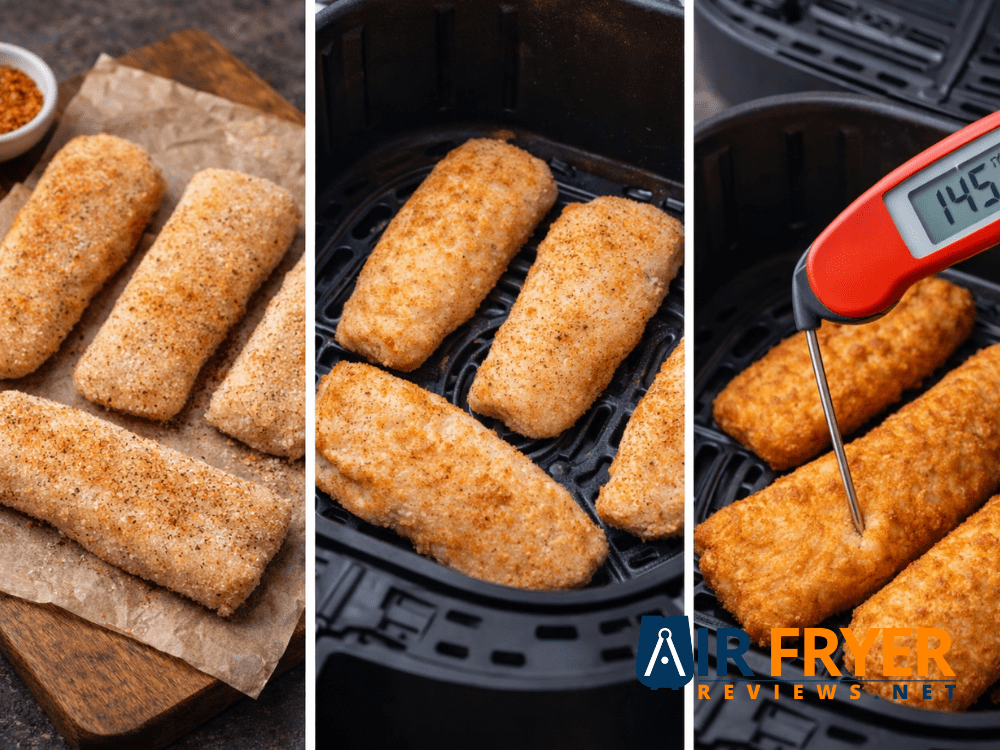
To cook frozen fish fillets in air fryer, set the temperature to 375-400°F (190-200°C) and cook for 12-18 minutes flipping halfway until the fish reaches 145°F (63°C) and flakes easily. This method delivers a crispy exterior with a tender flaky inside.
This is the go-to process I rely on it works across most brands and takes the guesswork out of cooking straight from frozen.
Step 1: Preheat the Air Fryer
- Set to 375-400°F (190-200°C)
- Preheat for 5-10 minutes
Why this Matters:
- Starts crisping immediately
- Prevents steaming
- Improves even cooking
From my experience skipping preheat is one of the fastest ways to end up with soft coating.
Step 2: Arrange in a Single Layer
- Place fillets in one layer
- Leave space between each piece
- Avoid stacking
Why it Works: Good airflow is what creates crispness. Crowding traps moisture and leads to uneven texture.
Step 3: Initial Cook
- Cook for 8-10 minutes to start
At this Stage:
- The exterior begins to set
- The inside starts heating from frozen
This gives you a solid base before finishing the cook.
Step 4: Flip and Continue Cooking
- Flip gently halfway through
- Use a spatula for better control
Why flipping Helps:
- Even browning on both sides
- Prevents one side from overcooking
This step is especially important for breaded fillets.
Step 5: Check Doneness
- Use a thermometer
- Target 145°F (63°C) in the thickest part
Why this Matters:
- Ensures safe cooking
- Prevents overcooking
Once I started checking temperature instead of guessing my results became much more consistent.
Step 6: Rest and Serve
- Let the fish rest for 1-2 minutes
Why it Helps:
- Keeps the fish moist
- Improves overall texture
You’ll notice a cleaner more tender bite after resting.
Achieving Perfection: Time & Temperature Guide
How long to air fry frozen fish fillets?
For most fillets:
- Temperature: 380-400°F (193-204°C)
- Time: 12-18 minutes
- Flip: Halfway through
- Final check: 145°F (63°C) + flakes easily
This range works well as a starting point. From there adjust slightly based on thickness and your air fryer model.
Air Frying Time & Temperature Chart: Your Quick Reference
For frozen fish fillets in air fryer use 375-400°F (190-200°C) and adjust timing based on thickness and type. Most fillets cook in 12-18 minutes flipping halfway, until they reach 145°F (63°C) and flake easily.
These are starting points not strict rules. From my testing factors like thickness, airflow and even how cold your freezer runs can slightly change the timing.
Air Fryer Fish Chart
| Fish Type | Thickness | Temperature | Initial Time | Total Time | Notes |
|---|---|---|---|---|---|
| Cod (plain) | ~1 inch | 380°F (193°C) | 8 min | 15-18 min | Light oil helps crisping |
| Tilapia (plain) | 0.5-0.75 inch | 375°F (190°C) | 7 min | 12-15 min | Thinner watch closely |
| Salmon | ~1 inch | 390°F (199°C) | 9 min | 16-20 min | Cook skin-side down first |
| Haddock (battered) | 0.75-1 inch | 400°F (204°C) | 6 min | 12-16 min | No extra oil needed |
| Pollock (battered) | 0.75-1 inch | 400°F (204°C) | 6 min | 12-16 min | Flip for even browning |
| Mahi-Mahi | 1-1.25 inch | 385°F (196°C) | 9 min | 18-22 min | Denser may need extra time |
How to Use This Chart
Use these as a guide then adjust based on your setup:
- Keep fillets in a single layer
- Add time for thicker cuts
- Reduce slightly for thinner pieces
- Avoid overcrowding
Always confirm doneness:
- Internal temperature: 145°F (63°C)
- Flesh should be opaque and flake easily
Expert Tips for Crispy, Flaky Results
Small details make a big difference. These are the adjustments that consistently improved my results.
| Tip | Why It Matters | What to Do |
|---|---|---|
| Preheat | Starts crisping immediately | Preheat for 5-10 minutes |
| Don’t overcrowd | Prevents steaming | Cook in a single layer |
| Use light oil | Improves browning | Light spray if needed |
| Flip halfway | Even texture | Turn once mid-cook |
| Check temperature | Avoids guesswork | Aim for 145°F (63°C) |
| Season well | Boosts flavor | Season before cooking |
| Adjust for thickness | Prevents under/overcooking | Add/reduce time as needed |
| Rest briefly | Keeps moisture inside | Rest 1-2 minutes |
Troubleshooting: From Soggy to Superb
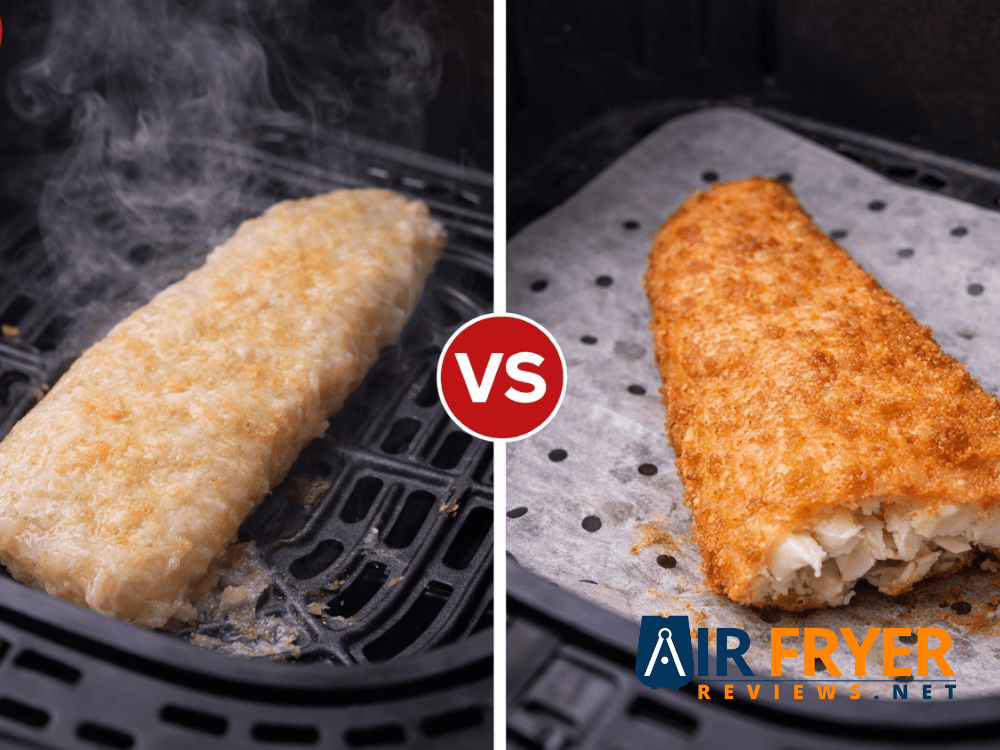
Even with a solid method small mistakes can affect your results. I learned this the hard way one early attempt left me with fish stuck to the basket and broken into pieces.
That experience taught me two key things:
- A non-stick barrier (like parchment or a silicone mat) prevents sticking
- A light oil spray helps the coating release and crisp properly
Once I added these, the results improved instantly crisp intact fillets instead of a messy cleanup.
Common Problems & Simple Fixes
Problem: Soggy or Steamed Fish
What’s Happening: Moisture is trapped so the fish steams instead of crisping.
How to fix it:
- Preheat the air fryer fully before adding air fryer fish fillets.
- Cook in a single layer
- Pat the fish dry before cooking
- Add a light oil spray
👉 From my testing excess moisture is the most common reason for poor texture.
Problem: Fish Sticking to the Basket
What’s Happening: The coating bonds to the hot surface and tears when flipped.
How to fix it:
- Use perforated parchment liners or a silicone mat
- Lightly spray the basket or fish with oil
These small steps make a big difference in keeping the coating intact.
Problem: Dry or Rubbery Texture
What’s Happening: The fish is overcooked and loses its moisture.
How to fix it:
- Use a thermometer
- Remove at 145°F (63°C)
- Let it rest for 1-2 minutes
👉 Once I stopped guessing and used temperature as my guide dryness stopped being an issue.
Problem: Uneven Cooking or Cold Spots
What’s Happening: Thickness varies or airflow is blocked so some areas cook slower.
How to fix it:
- Preheat properly
- Flip halfway through
- Adjust time for thicker pieces
- Place thicker ends toward stronger airflow areas
This helps balance cooking across the fillet.
Problem: Strong “Fishy” Smell
What’s Happening: Usually caused by lower-quality fish, leftover residue or excess moisture.
How to fix it:
- Use fresh, good-quality frozen fish
- Pat dry before cooking
- Add lemon or herbs after cooking
- Clean the basket after each use
A clean air fryer makes a noticeable difference in both smell and flavor.
Beyond the Basket: Serving & Pairing Ideas
Once your fish comes out crisp and flaky turning it into a complete meal is easy. With a few simple sides and sauces it goes from a quick freezer option to something that feels thoughtfully put together.
From my experience keeping things simple works best fresh sides, light flavors and quick prep.
Quick & Easy Side Dishes
You don’t need anything complicated. These sides are fast, balanced and pair naturally with crispy fish:
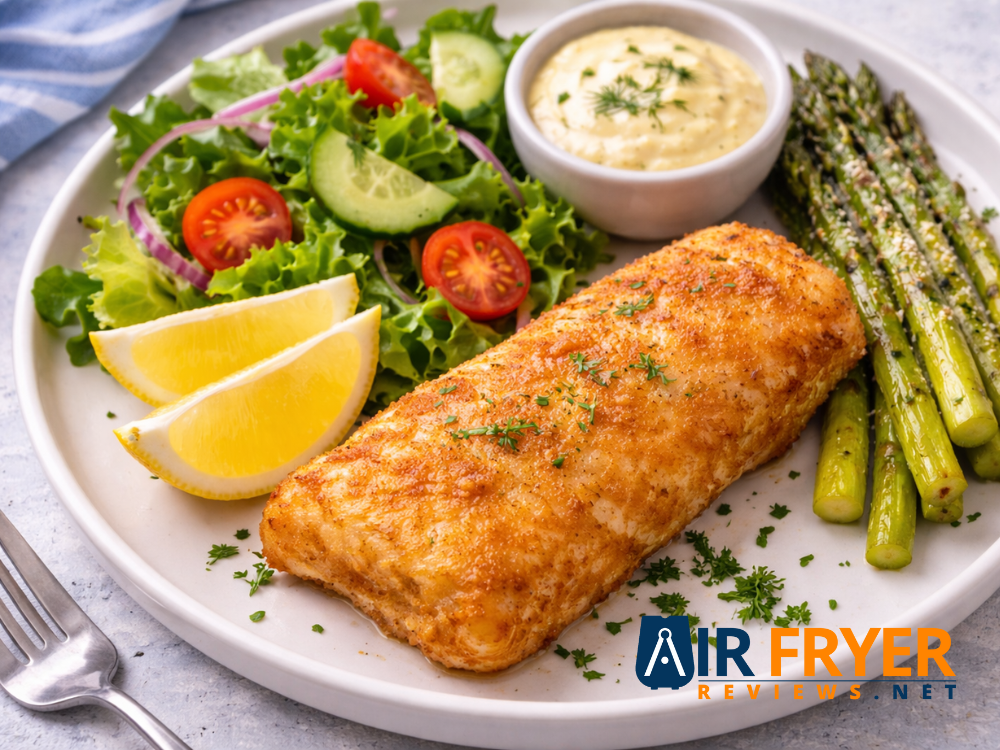
- Roasted Asparagus or Broccoli
Toss with oil, salt and pepper then air fry until lightly charred and tender - Simple Green Salad
Mixed greens with a lemon vinaigrette add freshness and balance - Quinoa or Brown Rice
A great option if you want something more filling and balanced - Steamed Green Beans or Peas
Quick, classic and family-friendly with a touch of butter or olive oil
These sides keep the focus on the fish while making the plate feel complete.
Perfect Sauces & Garnishes
A simple sauce or finishing touch can elevate the entire meal.
- Homemade Tartar Sauce
Mayo, chopped pickles, lemon juice and herbs - Lemon-Dill Aioli
Creamy with a fresh, zesty flavor - Fresh Salsa or Pico
Adds brightness great for tacos or bowls - Simple Lemon Butter Sauce
Melted butter with garlic and lemon for a rich finish - Fresh Herbs (Parsley or Dill)
Adds color and a fresh aroma - Lemon Wedges
A quick squeeze right before serving lifts all the flavors
Flavor Profile Matrix: Seasoning & Sauce Pairings
To keep things simple use this quick matrix to decide how to season your fish and what to serve with it. It’s an easy way to switch flavors throughout the week without overthinking your meal.
Quick Pairing Guide
| Fish Type | Seasoning | Sauce / Garnish | Best For |
|---|---|---|---|
| Mild White Fish (Cod, Pollock, Haddock) | Salt, pepper, garlic powder, paprika, lemon pepper | Tartar sauce, lemon butter, parsley + lemon | Classic crispy meals |
| Very Mild Fillets (Tilapia) | Salt, pepper, onion powder, mild chili, Old Bay | Lemon-dill aioli, yogurt garlic sauce | Light bowls, family meals |
| Rich Fish (Salmon, Mahi-Mahi) | Salt, pepper, smoked paprika, garlic, herbs (dill, thyme) | Lemon-dill aioli, lemon butter, fresh salsa | Balanced, protein-rich meals |
| Breaded/Battered | Minimal seasoning, light lemon pepper | Tartar sauce, ketchup, lemon | Quick, crispy servings |
| Taco/Bowl Style | Cumin, chili powder, smoked paprika, garlic | Pico, avocado, lime, cilantro | Tacos, bowls, casual dinners |
How to Use This
Keep it simple:
- Pick your fish
- Follow the seasoning style
- Add a matching sauce or garnish
From my experience this kind of structure makes weeknight cooking much easier you don’t have to think, just mix and match.
Your Questions Answered: Air Fryer Fish FAQs
These quick answers cover the most common questions so you can cook frozen fish with confidence and avoid common mistakes.
Q: Should I thaw frozen fish before air frying?
No. You can cook frozen fish directly without thawing.
This saves time and actually helps maintain texture. With the right method you’ll still get a crispy exterior and flaky interior straight from the freezer.
Q: Can I cook multiple fillets at once?
Yes but only in a single layer.
- Leave space between each piece
- Avoid stacking or overlapping
Good airflow is what creates crispness. If needed cook in batches for better results.
Q: What are the best seasonings for frozen fish?
Simple seasonings work best:
- Salt and black pepper
- Garlic powder and onion powder
- Paprika or smoked paprika
- Lemon pepper or seafood blends
You can also add herbs like dill or parsley or go bolder with chili-based spices. From my experience slightly stronger seasoning works better since frozen fish tends to be mild.
Q: How do I store and reheat leftovers?
- Let fish cool completely
- Store in an airtight container for 2-3 days
To Reheat:
- Air fry at 300°F (150°C) for a few minutes
This helps warm it through without drying it out.
Q: Can I cook battered or breaded fish?
Yes. These work especially well in the air fryer.
- Use around 400°F (200°C)
- Usually no extra oil needed
- Flip halfway for even crisping
A perforated liner can help prevent sticking and keep the coating intact.
Q: What if my fillets are very thick or thin?
Adjust based on thickness:
- Thicker fillets: Add a few extra minutes
- Thinner fillets: Check earlier
For best results use a thermometer and aim for 145°F (63°C) in the thickest part.
The Flaky Finish: Your Go-To Air Fryer Fish Success
By now, you know that frozen fish doesn’t have to mean bland or disappointing. With the air fryer you can turn a simple freezer staple into a meal that’s crispy on the outside tender on the inside and ready in minutes no thawing, no stress.
Instead of guessing you now have a clear method that works preheat properly keep airflow open season confidently and cook to the right internal temperature. These small steps make a big difference helping you avoid soggy coating, dry texture or uneven cooking.
Now it’s your turn. Grab your favorite frozen fillets pick a seasoning style you like and put this method into action on your next busy evening. After a couple of tries you’ll naturally understand your air fryer’s timing and get consistent results every time.
And here’s a simple idea track your progress. Take a quick before-and-after photo note what worked best and refine your approach. Those small improvements quickly turn into a reliable routine.
The result? Crispy, flaky, perfectly cooked fish straight from the freezer whenever you need a quick and satisfying meal.
