
The Best Fluffy Pancakes recipe you will fall in love with. Full of tips and tricks to help you make the best pancakes.
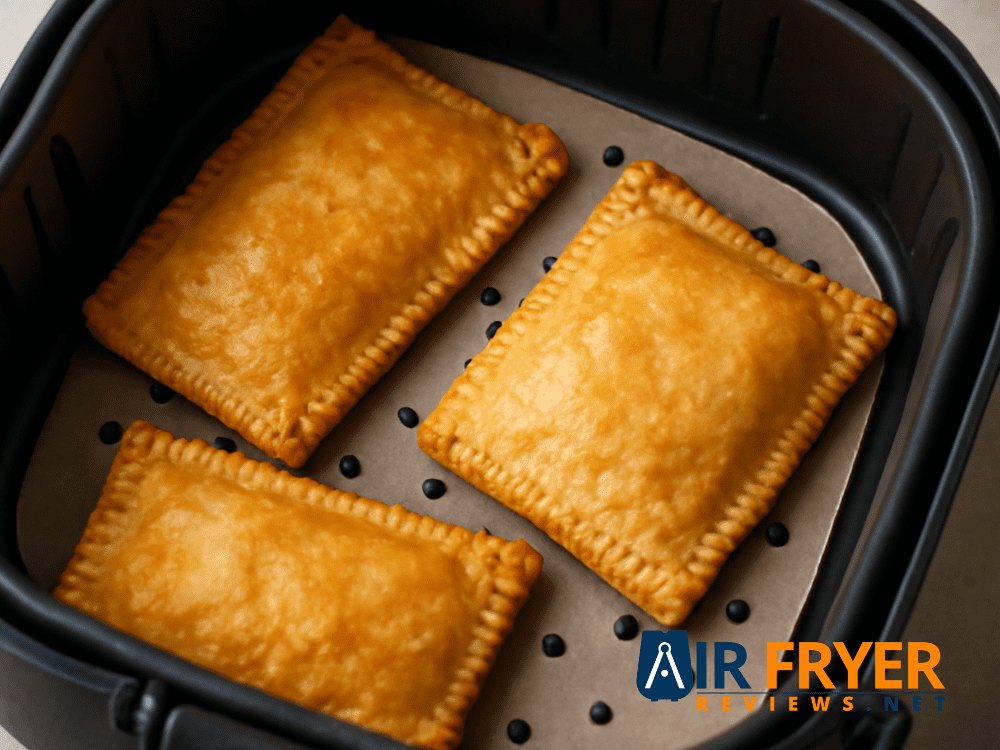

Cleaning a sticky air fryer basket after cooking can quickly turn a simple meal into extra work. Oils, sauces and melted cheese often cling to the basket surface and over time even good non-stick coatings can start to wear down. When that happens food sticks more easily and cleanup becomes frustrating.
Many home cooks use parchment paper in the air fryer to make cooking easier and reduce mess. When used correctly it can help prevent sticking protect the basket surface and shorten cleanup time after cooking.
However, air fryers work differently from ovens. They rely on powerful hot-air circulation inside a small cooking chamber. Because of this using parchment paper incorrectly can cause problems. If the paper blocks airflow food may cook unevenly or lose its crisp texture. If it lifts inside the basket, it can move toward the heating element and begin to scorch.
I learned this lesson firsthand while testing recipes in my kitchen. During one test, I lined the basket with parchment paper before cooking a batch of chicken wings. The results were excellent crispy skin, juicy meat and almost no residue left behind.
Later, I made a mistake that many people don’t realize is risky. I preheated the air fryer with only the parchment liner inside and no food on top. The lightweight sheet began lifting as the fan circulated hot air and the edges started curling upward toward the heating element. It didn’t turn into a serious issue but it was enough to show how easily parchment paper can move if it isn’t weighed down by food.
After that experience, I adjusted how I use parchment liners and tested several different methods to find what works safely. The results confirmed that parchment paper can be extremely useful in an air fryer but only when it’s used correctly.
In this guide, I’ll explain how to use parchment paper safely in an air fryer, when it works best and when it should be avoided. I’ll also share practical tips from my own testing along with best-practice techniques reviewed with contributing chefs so you can keep your air fryer clean while still getting the crisp results it’s designed to deliver.
Understanding Your Air Fryer: Why Airflow Is King
At its core, an air fryer works like a compact convection oven. A heating element produces intense heat while a high-speed fan circulates that hot air rapidly around the food. This moving heat removes surface moisture, allowing the outside to brown and crisp while the inside stays tender.
During testing in my kitchen, I consistently see how much this airflow affects the final result. Even a small change in how food is arranged in the basket can influence crispness and cooking time.
Most basket-style air fryers follow a similar airflow pattern. Air is pulled into the unit heated by the element then pushed downward and around the food inside the basket. After circulating through the chamber it vents back out and repeats the cycle. This constant loop is what produces the even browning and crisp edges people expect from air-fried food.
When hot air can move freely through the basket several important things happen:
- Food cooks more evenly from top to bottom
- Moisture evaporates quickly helping surfaces crisp instead of steam
- Cooking times stay consistent and predictable
Because of this, airflow is the foundation of how an air fryer performs. If that airflow is restricted the appliance cannot circulate heat properly.
Manufacturers emphasize this point in their manuals and the same guidance comes up repeatedly when discussing technique with contributing chefs. Best-practice cooking methods always prioritize clear airflow inside the basket. That means avoiding overcrowding leaving space between pieces of food and making sure accessories such as parchment liners do not block ventilation.
In practical terms, this also means parchment paper must be used carefully. Liners should always be perforated or shaped so air can pass through and they should remain secured beneath the food rather than floating freely.
When airflow becomes restricted whether from overcrowding, solid liners or loose parchment you may notice several problems:
- Uneven cooking, with some spots browned and others undercooked
- Soft or soggy areas where steam becomes trapped
- Longer cooking times or the need to run extra cycles
- Additional strain on the heating element and fan
Treating airflow as a priority keeps the air fryer working the way it was designed. Once that principle is clear it becomes much easier to use tools like parchment paper safely while still achieving crisp evenly cooked food.
The Pros: Benefits of Using Parchment Paper in Your Air Fryer
Using parchment paper in an air fryer correctly can make everyday cooking simpler and cleaner. When the liner is properly sized, perforated and placed under food it supports airflow while reducing sticking and mess.
During testing in my kitchen, I found that parchment liners can make a noticeable difference in both cleanup and food release especially when cooking foods that tend to stick or leave sugary residue behind.
Effortless Cleanup
One of the biggest advantages of parchment paper is how much it reduces cleanup. The liner acts as a barrier between the food and the air fryer basket catching grease, crumbs and sauces before they bake onto the surface.
For home cooks preparing quick meals, this means:
- Less soaking and scrubbing after cooking
- No scraping away burnt-on residue
- Faster cleanup between batches or recipes
This becomes especially helpful when cooking foods like chicken wings, glazed drumsticks or even an air fryer chicken roast that release oils and sticky sauces during cooking.
A Reliable Non-Stick Cooking Surface
Even well-made air fryer baskets can struggle with certain foods. Delicate fish, cheese-based dishes and baked goods sometimes cling to the metal surface.
A quality parchment liner creates a smooth release layer that allows food to lift off easily. When I tested this with delicate fillets of fish, cookies and marinated chicken pieces the difference was clear food released cleanly without tearing or leaving coatings behind.
Using parchment paper can help you:
- Keep delicate foods intact when removing them
- Preserve breading or coatings that might otherwise stick
- Plate meals such as a light beef burger that look cleaner and more appetizing
Professional cooking techniques often recommend using parchment when working with fragile textures since it protects both the food and the cooking surface.
Preventing Small Items from Falling Through
Air fryer baskets are designed with holes to promote airflow but those openings can allow small foods to slip through.
Perforated parchment liners help keep small ingredients contained while still allowing heat to circulate.
This is useful when cooking foods such as:
- Chopped vegetables
- Small shrimp
- Croutons or diced potatoes
- Mixed vegetable sides
Using parchment in these cases helps reduce food waste makes shaking the basket easier and prevents small pieces from burning underneath the basket.
Supporting Appliance Longevity
Over time direct contact with oils, sugary sauces and repeated scrubbing can wear down the basket’s non-stick coating. A properly placed parchment liner reduces how much residue reaches the basket surface.
This can help:
- Protect the non-stick coating
- Reduce the need for aggressive cleaning
- Prevent buildup that may cause smoke or odors
Keeping the basket cleaner during cooking often leads to more consistent long-term performance from the appliance.
Versatility for Different Dishes
Parchment paper is not limited to savory meals. It can also be useful when preparing baked or delicate items in the air fryer.
Common uses include:
- Baking cookies, brownies, or pastries
- Reheating leftovers that may stick
- Warming foods that don’t require maximum crisping
For recipes where gentle heat and structure matter such as soft rolls, cakes or saucy dishes a parchment liner helps protect the food while keeping cleanup simple.
The Cons & Critical Safety Warnings: What You MUST Know
Using parchment paper in an air fryer can make cooking easier, but it comes with strict safety rules. During testing, I found that parchment works well only when it’s used carefully and placed correctly inside the basket.
Air fryer manufacturers emphasize the same principle and it consistently comes up when discussing cooking techniques with contributing chefs convenience should never override safe airflow and proper placement.
Can You Use Parchment Paper in an Air Fryer Safely?
Yes, parchment paper can be used safely in an air fryer if you follow a few essential rules:
- Use food-grade, heat-resistant parchment paper
- Trim or choose liners that fit the basket properly
- Place food on top of the parchment so it stays weighed down
- Never preheat the air fryer with parchment alone
- Avoid covering vents or blocking airflow
Following these guidelines allows you to reduce mess without interfering with the air fryer’s performance.
Fire Hazards and Airflow Risks
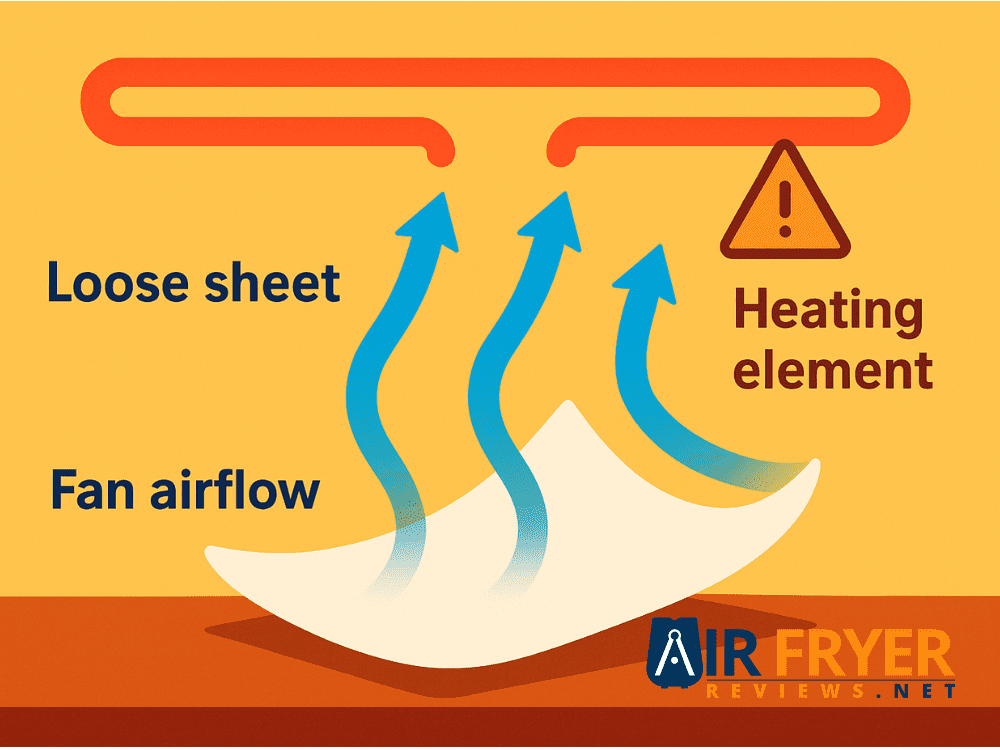
The biggest risk is not the parchment paper itself it’s how easily lightweight paper can move inside the powerful air circulation of an air fryer.
If parchment is not secured under food the fan can lift the sheet and move it around the basket. Once the paper rises toward the heating element, it can scorch or produce smoke.
In more severe situations contact with the heating element could create a fire risk.
From practical kitchen experience one rule matters more than anything else:
Parchment paper should always be placed under food never left loose in the basket.
Important Safety Practices
Through repeated testing and reviewing professional cooking guidance a few safety habits stand out as essential:
- Place parchment after food is added not before
- Avoid preheating an empty air fryer with parchment inside
- Choose perforated liners so airflow remains strong
- Make sure the liner stays fully inside the basket and below the heating element
These simple precautions prevent most of the problems people encounter with parchment paper in air fryers.
Never Use Wax Paper
Wax paper may look similar to parchment paper but it behaves very differently under heat.
Wax paper is coated with wax that melts at relatively low temperatures. Inside an air fryer that coating can melt, smoke or burn. It may also release unpleasant odors or residue.
For this reason both appliance manufacturers and culinary professionals consistently recommend using parchment paper only and staying within the heat limits listed on the packaging.
What Happens If Paper Touches the Heating Element?
When parchment paper reaches the heating element several problems can occur quickly:
- Sudden smoke or a burning smell
- Scorch marks or darkened paper
- Discoloration inside the air fryer chamber
- Safety shut-off activation in some models
In extreme cases, repeated overheating could damage internal components.
Keeping parchment properly placed under food and allowing airflow to circulate freely prevents these issues and ensures the air fryer continues operating safely.
Impeded Airflow & Weaker Cooking Performance
Airflow is the core mechanism behind air frying. When a solid non-perforated sheet of parchment paper fully covers the basket it can restrict that airflow and affect how food cooks.
During recipe testing, I noticed that when airflow is partially blocked results change quickly. The hot air cannot circulate under the food properly which means the crisping process slows down.
Common issues include:
- Uneven cooking across different parts of the basket
- Pale or soft spots on the underside of food
- Longer cooking times with weaker crisping
This explains a common concern some people believe parchment paper ruins air fryer crispiness. In most cases, the issue is not the parchment itself but how it’s placed in the basket.
To maintain proper cooking performance:
- Use perforated parchment liners designed for air fryers
- If cutting parchment yourself leave space around the edges
- Avoid covering the entire basket base or blocking ventilation areas
When airflow remains clear the air fryer can still deliver the crisp texture it’s designed for while giving you the cleanup benefits of parchment paper.
Potential Damage to the Heating Element
Occasional contact between parchment paper and the heating element may not immediately damage the appliance. However, repeated incidents can create problems over time.
If parchment frequently lifts during cooking, you may notice:
- Burnt paper fragments collecting inside the unit
- Residue or ash near the heating element
- Smoke or lingering odors during future cooking sessions
Repeated scorching can also place extra stress on internal components. Over time, this may affect heating efficiency or create uneven cooking conditions.
To avoid this parchment liners should always stay flat inside the basket and secured under food so they cannot move upward during cooking.
For appliance care, it’s also important to follow the instructions in your air fryer user manual guide. Many manufacturers provide guidance on using liners and accessories. Some brands recommend only perforated or pre-cut parchment liners while others allow liners only under specific conditions.
Checking those guidelines helps ensure safe operation and protects the appliance over the long term.
Food Safety Concerns: Use Only Food-Grade Parchment
Not every type of paper is safe for cooking. When using liners in an air fryer always choose food-grade parchment paper designed for high-heat cooking.
Look for parchment paper that is:
- Labeled food-safe
- Rated for temperatures commonly used in air frying (often up to 428°F / 220°C though packaging should always be checked)
Certain types of paper should never be used inside an air fryer including:
- Craft paper or baking paper without food-safe labeling
- Printed, dyed or decorative papers
- Old parchment sheets that are heavily browned or becoming brittle
Using proper food-grade parchment helps protect both the food and the appliance. When combined with good airflow and safe placement, it allows you to enjoy the convenience of parchment liners without compromising safety or cooking results.
How to Safely Use Parchment Paper in an Air Fryer (Step-by-Step Guide)
To safely use parchment paper in air fryer cooking, choose food-grade, heat-resistant parchment, trim or use perforated liners that fit your basket place food on top to weigh it down and never run the air fryer with parchment alone. Proper placement keeps airflow strong and prevents the paper from lifting toward the heating element.
During testing for this guide, I focused on methods that keep airflow intact while still giving the cleanup benefits people want. Contributing chefs also reviewed the technique and the same principle came up repeatedly parchment should support the air fryer’s design not interfere with it.
Below is a simple reliable process you can follow each time.
Step 1: Choose the Right Type of Parchment Paper
Start with parchment paper that is safe for high-heat cooking and labeled food-grade.
Two common options work well:
Perforated parchment liners (pre-cut): These are designed specifically for air fryers. They already include holes and are cut to fit common basket sizes. Because airflow can pass through easily they are usually the safest and most convenient option.
Standard baking parchment paper: This can also work if you trim it to size and add perforations yourself. It is useful if your air fryer basket has an unusual shape or size.
Perforated parchment is generally preferred because:
- The holes allow hot air to reach the bottom of the food
- Moisture escapes instead of trapping steam
- Crisping remains consistent during cooking
If you cook with your air fryer often keeping pre-cut perforated liners on hand can make preparation faster while maintaining proper airflow.
Step 2: Measure and Trim (or Select Pre-Cut Liners)
If you’re using pre-cut liners simply choose the size that closely matches your basket or tray.
For standard parchment paper trimming is important so the sheet sits flat and does not interfere with airflow.
A simple method:
- Place the air fryer basket or tray upside down on a sheet of parchment.
- Trace a rough outline slightly smaller than the basket base.
- Cut the shape using kitchen scissors.
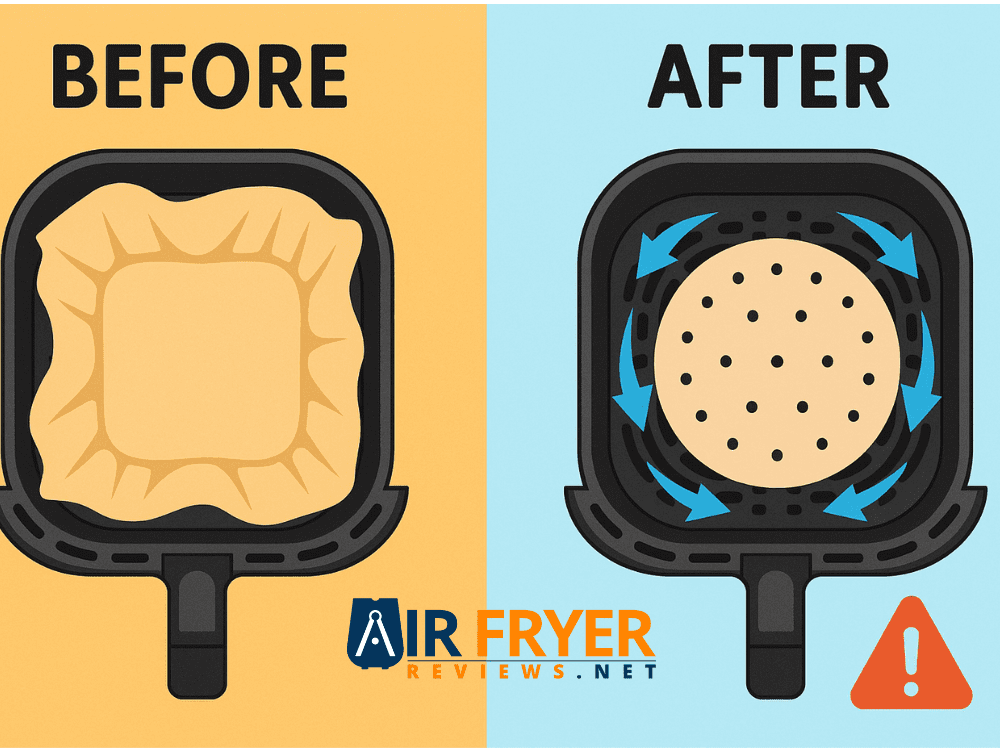
The liner should sit flat at the bottom of the basket without curling up the sides.
Leave 1-2 inches (about 2-5 cm) of space around the edges so hot air can circulate properly. The paper should never touch:
- The heating element
- Side vents
- Raised interior components
Keeping space around the edges helps maintain the airflow pattern that makes air fryers work efficiently.
Step 3: Perforate for Proper Airflow (If Using Standard Paper)
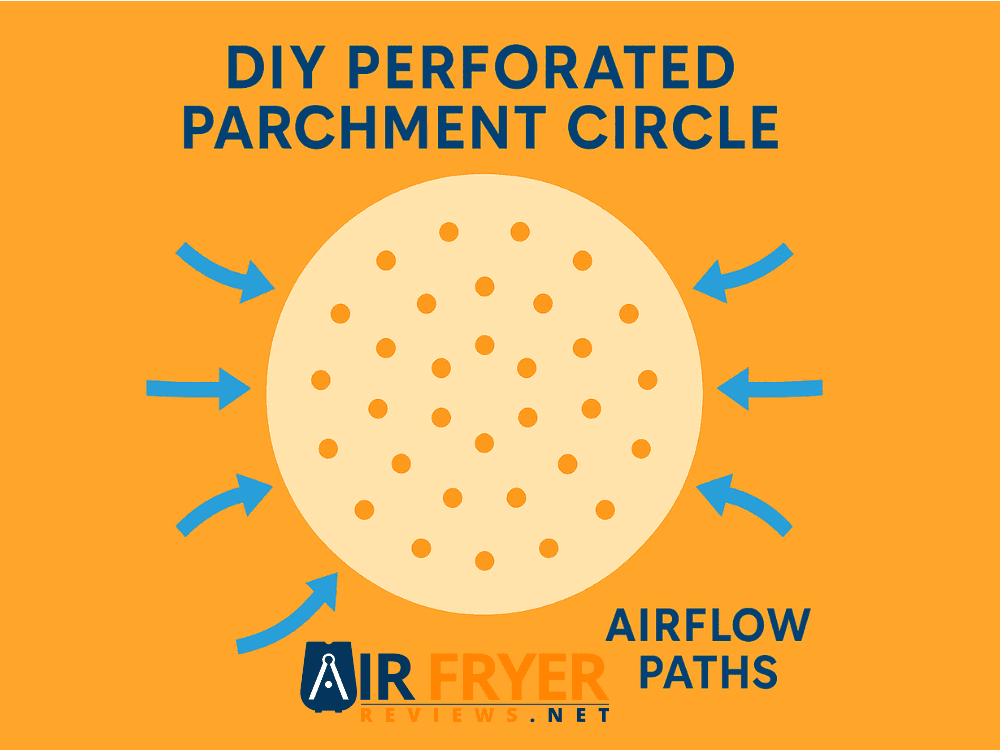
If the parchment is not already perforated you will need to create small holes so air can circulate.
You can use:
- A standard hole punch
- The tip of a small knife
- A skewer or fork
To perforate effectively:
- Create holes across the entire surface not only in the center
- Space them roughly 1-2 cm apart
- Add extra holes where food will sit most heavily
The goal is to mimic the openings in the air fryer basket so hot air can move through the liner and around the food.
Step 4: Place Food on the Liner (Never Use Paper Alone)
This step is critical for safety.
After placing the trimmed or perforated liner in the basket add the food immediately before turning the air fryer on. The weight of the food keeps the parchment from lifting when the fan starts circulating hot air.
Important safety reminders:
- Never preheat the air fryer with parchment alone
- Never run the appliance with loose parchment inside
In one of my early tests, I accidentally preheated the basket with only a parchment liner. As soon as the fan started, the paper began lifting toward the heating element. That experience reinforced why the liner must always be weighed down.
Step 5: Insert the Basket and Arrange Food Properly
Once the food is placed on top of the liner slide the basket back into the air fryer.
Even when using parchment proper food placement still matters.
For best cooking results:
- Arrange food in a single layer when possible
- Leave space between pieces
- Cook in batches if the basket becomes crowded
Overcrowding restricts airflow and can cause uneven cooking even if the parchment liner is used correctly.
Step 6: Monitor Briefly During Cooking
You don’t need to constantly watch the air fryer but a quick check during cooking is helpful.
Midway through cooking:
- Pause the air fryer if needed
- Confirm the parchment liner is still flat
- Shake or turn the food according to the recipe
If any edge of the parchment begins lifting tuck it back under the food or remove it if necessary.
These small checks help ensure the liner stays secure and your food continues cooking evenly and safely.
When to Use Parchment Paper vs. When to Skip It (Food Specific Scenarios)
Use parchment paper in an air fryer for sticky, delicate air fryer egg burritos or small foods that tend to stick or fall through the basket. Skip it when maximum crispiness and strong airflow are the priority especially for foods like fries, wings and roasted vegetables.
In practice, parchment works best when it solves a specific cooking problem. During testing for this site, I treat parchment as a supporting tool not a default setting. Contributing chefs reviewing these techniques emphasize the same approach use it when it protects the food or simplifies cleanup but avoid it when it interferes with crisping.
Use Parchment Paper When…
1. You’re Cooking Sticky or Greasy Foods
Some recipes leave behind oils, sugars or melted cheese that quickly stick to the basket surface.
Good candidates include:
- Bacon
- Cheesy casseroles or baked dishes
- Saucy chicken wings
- Sticky marinades or glazes
- Cookies or soft baked goods
In these situations parchment paper helps by:
- Catching grease and sauces before they bake onto the basket
- Preventing melted cheese or sugar from sticking
- Making cleanup much faster after cooking
Practical tip: For foods that release a lot of grease such as bacon keep an eye on the liner during cooking. If too much fat collects in one spot it can begin to smoke. Pausing briefly to drain excess grease can help prevent this.
2. You’re Cooking Delicate Foods
Some foods are easily damaged when they stick to the basket or when you try to remove them.
Examples include:
- Fish fillets
- Dumplings or gyoza
- Pastries or croissants when reheating
- Lightly breaded or battered items
A parchment liner creates a gentle non-stick layer that allows these foods to release cleanly.
In my own tests with fish and pastries parchment made it much easier to lift food without tearing the surface or losing coatings. The liner protects both the food and the basket while helping maintain the dish’s presentation.
3. You’re Cooking Small or Loose Ingredients
Air fryer baskets contain holes that promote airflow but those same openings can allow small foods to slip through.
This often happens with:
- Chopped vegetables
- Seasoned nuts
- Croutons
- Breadcrumb-topped dishes
Using perforated parchment liners helps keep these ingredients contained while still allowing heat to circulate.
Benefits include:
- Preventing food from falling beneath the basket
- Making shaking and tossing easier during cooking
- Reducing burnt fragments stuck inside the unit
Skip Parchment Paper When…
1. You Want Maximum Crispiness
Some foods develop their best texture when they make direct contact with the hot metal basket and receive unrestricted airflow.
Examples include:
- French fries
- Potato wedges
- Chicken wings
- Roasted vegetables such as Brussels sprouts, carrots or potatoes
Without a liner, the food can brown more aggressively where it touches the metal surface. Moisture also evaporates faster which strengthens crispness on the underside.
Technique Tip: If you’re cooking something messy but still want strong crisping such as sauced wings you can combine both approaches.
- Cook the first portion of the recipe with parchment to catch drips.
- Remove the liner for the final few minutes.
This allows the food to finish directly on the basket for stronger browning.
2. Foods That Require Full Airflow
Certain foods rely heavily on convection-style airflow to cook evenly.
Even perforated parchment can slightly reduce the intensity of heat reaching the underside.
Consider skipping parchment if:
- The recipe depends on strong air circulation
- Thick pieces of food need heat from all directions
- Previous attempts with liners produced pale or soft bottoms
Cooking directly in the basket allows the air fryer to function at its full airflow capacity which helps deliver the crisp results many people expect from this appliance.
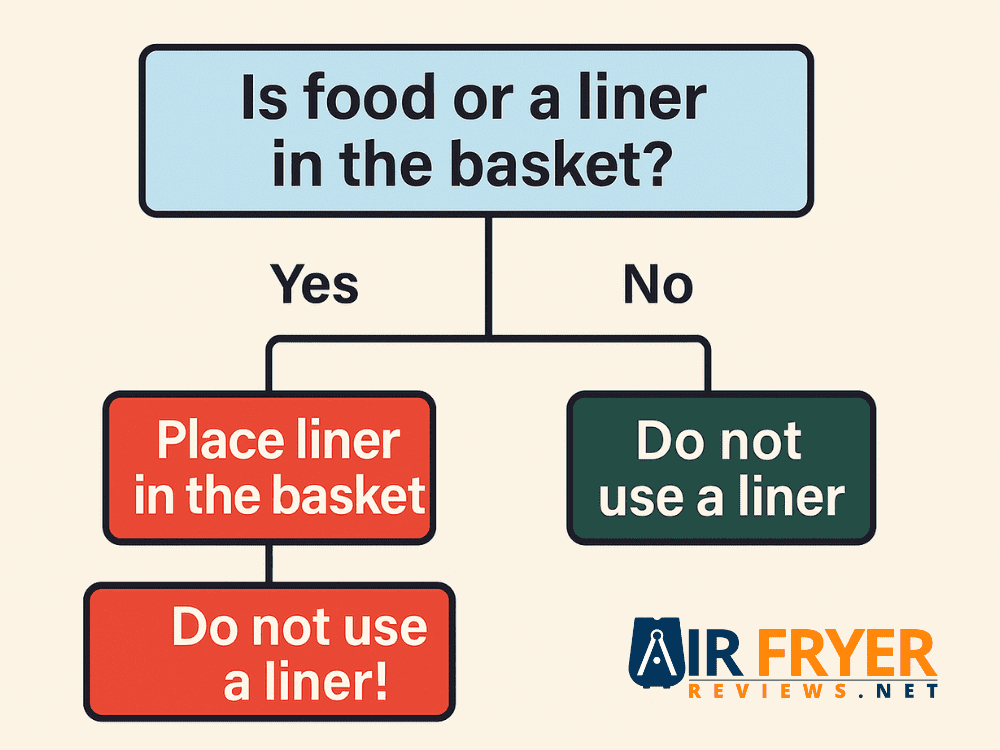
Is Parchment Paper Right for My Dish? Simple Decision Tree
Choosing whether to use parchment paper in an air fryer often comes down to the type of food you’re cooking and the result you want. During recipe testing, I don’t automatically add a liner. Instead, I decide based on texture, stickiness and how much crispness the dish needs.
The quick decision guide below helps determine when parchment paper will help and when it’s better to cook directly in the basket.
Step 1: Is the Food Sticky, Greasy or Heavily Sauced?
Examples include bacon, sticky glazes, cheesy dishes or marinated meats.
- Yes: Use perforated parchment paper to catch grease and prevent sauces from baking onto the basket.
- No: Move to the next question.
Step 2: Is the Food Delicate or Easy to Break?
Foods like fish fillets, pastries, dumplings and soft baked goods can tear when removed from the basket.
- Yes: Use parchment paper to protect the structure and make lifting easier.
- No: Continue to the next step.
Step 3: Are the Pieces Very Small or Loose?
Some foods can fall through the basket holes during cooking.
Common examples include:
- Chopped vegetables
- Nuts or snack mixes
- Croutons or breadcrumbs
- Yes: Use perforated parchment liners to keep small pieces contained while still allowing airflow.
- No: Move to the next question.
Step 4: Do You Want Maximum Crispiness?
Some foods benefit from direct contact with the hot metal basket.
Examples include fries, potato wedges, wings and roasted vegetables.
- Yes: Skip parchment paper for that dish.
- You can also cook part of the time with parchment and remove it near the end for stronger browning.
- No: A perforated parchment liner can provide a balance between crispness and easier cleanup.
Step 5: Is Easy Cleanup a Priority?
Sometimes the goal is simply to reduce post-cooking mess.
- Yes: Use perforated parchment paper or another approved liner if your air fryer manual allows it.
- No: Cooking directly in the basket usually produces the strongest browning and crisp texture.
Quick Rule to Remember
If parchment paper prevents sticking protects delicate food or keeps small pieces contained, it’s usually a helpful addition. If the goal is maximum crispiness and strong airflow cooking directly in the basket is often the better choice.
Types of Parchment Paper & Air Fryer Liners: A Comparison
Air fryer manufacturers consistently emphasize a few important guidelines use food-safe, heat-resistant liners, avoid blocking vents or fans and make sure airflow remains clear. During testing for this guide, I focused on liners that support those principles rather than interfering with how the air fryer works.
Professional cooking guidance reviewed with contributing chefs reinforces the same idea choose liners that preserve airflow and match the needs of the dish you’re preparing.
Below is a comparison of the most common parchment and liner options used in air fryer cooking.
1. Standard Baking Parchment Paper
Standard baking parchment is the most common liner people already have in their kitchen.
Pros
- Widely available in most grocery stores
- Usually more affordable per use
- Easy to cut and customize for any basket or tray shape
Cons
- Requires manual perforation to maintain airflow
- Oversized sheets can block air circulation
- Loose paper can lift if it is not fully weighed down by food
When It Makes Sense
Standard parchment works well when your air fryer basket has an unusual size or shape and pre-cut liners don’t fit properly. It also gives you complete control over how much of the basket you cover.
When I use standard parchment, I always trim it slightly smaller than the basket base and add perforations so hot air can circulate freely.
Practical Tip
Keeping a roll of baking parchment in the kitchen makes it easy to create custom liners when needed.
2. Pre-Cut Perforated Parchment Paper Liners
These liners are designed specifically for air fryers and are widely available in round and square shapes.
Pros
- Made specifically for air fryer use
- Pre-cut and perforated to maintain airflow
- Quick to use with minimal trimming
Cons
- Usually more expensive than a roll of parchment
- Pre-set sizes may not match every basket perfectly
Because the holes are already included these liners work well with the air fryer’s airflow system. The perforations allow hot air to reach the underside of the food which helps maintain crisping while still protecting the basket from grease and residue.
When It Makes Sense
Pre-cut perforated liners are often the easiest solution if you cook frequently and want a simple drop-in option.
If a liner is slightly larger than your basket trimming the edges with kitchen scissors can help it fit properly while keeping the perforations intact.
3. Reusable Silicone Air Fryer Liners
Reusable silicone liners are designed as a long-term alternative to disposable parchment.
Pros
- Reusable and environmentally friendly
- Naturally non-stick, useful for sticky foods
- Typically heat-resistant at common air fryer temperatures
Cons
- Higher upfront cost
- Some designs may reduce crispiness if airflow is restricted
- Can retain odors if not cleaned thoroughly
In testing, silicone liners worked best when they included ridges or perforations that allowed air to circulate underneath the food. Completely flat silicone trays sometimes trap moisture which can soften the underside of certain foods.
When It Makes Sense
Reusable silicone liners can be a practical option if you use your air fryer often and want to reduce disposable waste.
Choosing a model with airflow channels or raised ridges helps maintain better cooking performance while still protecting the basket from mess.
Quick Comparison
| Liner Type | Best For | Key Consideration |
|---|---|---|
| Standard parchment paper | Custom basket sizes | Must be trimmed and perforated |
| Pre-cut perforated liners | Convenience and airflow | Slightly higher cost |
| Silicone liners | Reusable, eco-friendly option | Choose designs that allow airflow |
Selecting the right liner depends on your cooking style the type of food you’re preparing and how much airflow the recipe requires. When airflow is preserved and liners are used correctly they can simplify cleanup without sacrificing cooking performance.
Quick Comparison: Choosing the Right Air Fryer Liner
If you’re deciding between standard parchment paper, perforated liners or reusable silicone liners it helps to compare them based on cost, convenience, airflow and long-term practicality. During testing, I found that each option works best in slightly different situations.
Cost
Standard baking parchment paper is usually the lowest cost per sheet but it’s single-use and must be replaced after each cooking session.
Pre-cut perforated parchment liners typically cost a little more per piece. The extra cost reflects the convenience they’re designed specifically for air fryers and require almost no preparation.
Reusable silicone air fryer liners have the highest upfront cost but they can become economical over time if you air fry frequently since they can be washed and reused many times.
Convenience
Standard parchment paper offers flexibility but requires more preparation. You’ll usually need to trim it to fit the basket and add perforations to maintain airflow.
Perforated parchment liners are the most convenient disposable option. You can place one directly in the basket and start cooking which saves time during meal preparation.
Silicone liners are also easy to use because they simply drop into the basket but they must be washed thoroughly after each use.
Airflow and Crispiness
Airflow is critical in air frying so liner choice can influence texture.
Standard parchment paper performs well only if it’s properly trimmed and perforated. If it’s used as a solid sheet airflow may be restricted and crisping can suffer.
Pre-cut perforated liners are designed to support the air fryer’s airflow pattern. When the size matches your basket, they usually maintain good circulation and reliable crisping.
Silicone liners can work well for many dishes especially saucy foods but they sometimes soften the underside slightly because the food isn’t touching the hot metal basket directly.
Environmental Impact
Standard parchment paper and pre-cut liners are disposable which means they create more waste over time.
Reusable silicone liners reduce disposable waste significantly when they are used consistently and cleaned properly. For cooks who use an air fryer often this can be a more environmentally friendly option.
Cost Benefit View Over Time
From a practical standpoint the best liner depends on how often you use your air fryer and what types of food you cook.
If you air fry occasionally standard parchment paper can be a cost-effective solution. It works well as long as you’re comfortable trimming and perforating it to maintain airflow.
If you cook with your air fryer several times a week pre-cut perforated parchment liners usually provide the best balance of convenience, airflow and consistent cooking results.
If you air fry very frequently and want to reduce waste reusable silicone liners can be a worthwhile investment. They’re especially useful for baked or saucy dishes where easy cleanup matters more than maximum crispiness.
Practical Recommendation
Based on repeated testing and general best-practice techniques used by experienced cooks a simple approach works well:
- Use perforated parchment liners when you want convenience and reliable airflow.
- Use standard parchment paper when you need a custom fit and don’t mind preparing it correctly.
- Use reusable silicone liners when long-term savings and waste reduction are priorities especially for saucy or baked recipes where extreme crisping is less important.
Parchment Paper Alternatives for Your Air Fryer
If parchment paper isn’t the best fit for a recipe several alternatives can work well in an air fryer. Common options include aluminum foil, reusable silicone liners, lightly oiling the basket or cooking without any liner at all.
Each method has advantages and trade-offs. Some improve cleanup while others prioritize airflow and crispness. When testing recipes, I usually choose the method that best matches the type of food and the level of cleanup I’m willing to handle afterward.
Aluminum Foil
Aluminum foil can be useful when cooking foods that release a lot of juices or sticky sauces.
Pros
- Helps contain messy foods and catch drips
- Can be shaped into trays or packets
- Useful for holding marinades, sauces or juices in place
Cons
- A solid foil sheet can block airflow if it covers too much of the basket
- May affect heat distribution in some air fryer models
- Not recommended for acidic foods such as tomato sauces, citrus or vinegar-based marinades
- Loose foil can lift if it isn’t weighed down by food
Important Safety Tips
- Always check your air fryer manual before using foil
- Avoid covering the entire basket or blocking vents
- Never allow foil to touch the heating element
- Anchor the foil securely under food so it cannot move
Foil works best when used sparingly for example when containing juices matters more than achieving maximum crispiness.
Silicone Mats and Reusable Liners
Reusable silicone liners are designed specifically for air fryer baskets and can serve as a long-term alternative to disposable parchment.
Pros
- Reusable and environmentally friendly
- Naturally non-stick, helpful for sticky foods
- Heat resistant and flexible for baking or reheating
- Protects the basket from heavy sauces or melted cheese
Cons
- Some designs slightly reduce crispiness if airflow is restricted
- Thicker liners can reduce available cooking space
- Require thorough cleaning to prevent grease buildup or odors
In my testing, silicone liners performed best when they included raised ridges or perforations. These features allow air to circulate under the food more effectively than flat solid mats.
Reusable liners are especially useful for baked dishes, casseroles or recipes where easy cleanup matters more than aggressive crisping.
Oiling the Basket Directly
A simple alternative to liners is applying a light layer of oil directly to the air fryer basket.
Pros
- Maintains full airflow for better crisping
- Helps develop stronger browning on foods like fries or wings
- Requires no additional accessories
Cons
- The basket may require more thorough cleaning afterward
- Food can still stick if oil coverage is uneven
- Excess oil may create smoke or greasy results
When crisp texture is the priority a light spray of high-smoke-point oil often works well. This approach keeps food in direct contact with the hot basket surface while still reducing sticking.
Cooking With No Liner
Sometimes the most effective option is simply not using any liner at all.
This approach works best when:
- Maximum crispiness is the goal
- Foods are not heavily sauced or sticky
- You’re prepared to clean the basket after cooking
Cooking directly in the basket allows the air fryer to operate exactly as designed with unrestricted airflow and direct contact between food and the hot metal surface.
To make cleanup easier afterward it helps to keep a few tools available such as soft cleaning brushes or non-scratch scrapers designed for air fryer baskets.
Practical Approach
In everyday cooking the best method often changes depending on the recipe.
A practical guideline that works well in most kitchens is:
- Use perforated parchment or silicone liners for sticky, delicate or messy foods
- Use foil carefully when you need to contain juices and your appliance manual allows it
- Use a lightly oiled basket or no liner when crispiness and strong airflow are the priority
Adjusting the method based on the dish helps you maintain both cooking performance and manageable cleanup.
Common Problems & Troubleshooting with Parchment Paper
Most issues with parchment paper in air fryer cooking such as paper lifting, food not crisping, smoke or burning usually come down to a few common mistakes. These include poor placement, blocked airflow, grease buildup or using the wrong type of paper.
While testing recipes for this guide, I encountered several of these problems early on. Once you understand why they happen the fixes are straightforward and easy to apply.
Below are the most common issues and how to solve them.
Problem 1: Parchment Paper Flying Up
What’s Happening:
The parchment liner lifts, flaps or moves toward the heating element once the fan starts circulating hot air.
Likely Causes
- Not enough food placed on top to weigh it down
- The liner is cut too large and curls up the sides
- The paper is placed in the basket before the food
Solution
- Place parchment in the basket only after the food is ready to go in
- Make sure the food sits directly on top of the liner to hold it in place
- Trim the parchment so it sits flat and leaves space around the edges
- Avoid folded corners that may catch airflow
Important tip
Never preheat an air fryer with loose parchment inside. The strong fan can easily lift the paper toward the heating element.
Problem 2: Food Not Crisping Evenly
What’s Happening:
Food turns out pale, soft or unevenly browned instead of crisp and golden.
Likely Causes
- Using a solid sheet of parchment with no perforations
- Overcrowding the basket
- A liner that covers too much of the basket base
Solution
- Use perforated parchment liners designed for air fryers
- If cutting your own parchment add holes for airflow
- Leave space between food pieces and cook in batches when needed
- For extra crisping, remove the liner during the final few minutes of cooking
Maintaining airflow is essential. Even the best liner cannot compensate for overcrowding inside the basket.
Problem 3: Excessive Smoke
What’s Happening:
More smoke than usual appears during cooking, especially with fatty or heavily sauced foods.
Likely Causes
- Grease pooling on top of the parchment liner
- Paper or food sitting too close to the heating element
- Food residue burning on the liner
Solution
- Ensure the liner stays flat and well below the heating element
- For very greasy foods like ribeye steak pause halfway through cooking and carefully drain excess grease
- Use a smaller liner so some grease can drip through the basket holes
Foods that release large amounts of fat such as bacon or fatty cuts of beef can create more smoke when grease collects in one place. Managing excess grease during cooking can help prevent this.
Problem 4: Paper Burning or Melting
What’s Happening:
The parchment liner becomes heavily browned, smells burnt or begins to char.
Likely Causes
- Using wax paper instead of parchment paper
- Paper touching the heating element
- Running the air fryer with parchment inside but no food on top
Solution
- Use only food-grade parchment paper rated for high heat
- Trim liners so they stay well below the heating element
- Add the liner only when food is ready to be placed on top
Wax paper should never be used in an air fryer. Its wax coating can melt or burn at high temperatures and may produce smoke or residue.
Quick Troubleshooting Reminder
If parchment paper causes problems in an air fryer check these basics first:
- The liner is trimmed to fit the basket
- The paper is perforated for airflow
- Food is weighing the liner down
- Grease buildup is managed during cooking
Following these simple steps helps keep parchment liners safe while preserving the crisp cooking results air fryers are designed to deliver.
Your Air Fryer Parchment Paper Checklist: Do’s and Don’ts
Using parchment paper in an air fryer safely comes down to three core principles keep the liner weighed down, maintain clear airflow and ensure the paper stays away from the heating element. The checklist below reinforces those rules so you can cook confidently while protecting both your appliance and your food.
DO ✅
- Always weigh down parchment paper with food:
The fan inside an air fryer circulates hot air at high speed. If the parchment liner isn’t anchored by food, it can lift or move toward the heating element. Keeping food on top prevents the liner from shifting during cooking. - Trim parchment paper to fit the basket leaving space around the edges:
A properly sized liner should cover only the base of the basket. Leaving about 1-2 inches of space along the edges allows hot air to circulate freely helping food cook evenly and develop better crispness. - Use perforated parchment paper or add holes yourself:
Perforated liners are designed to maintain airflow. If you’re using standard parchment paper adding small holes across the sheet allows heat to move through the liner and reach the underside of the food. - Check the liner briefly during cooking:
A quick mid-cook check helps catch small issues early. If food shifts or grease pools in one area adjusting the liner or repositioning food can prevent uneven cooking or smoke. - Review your air fryer manual before using liners:
Many manufacturers include specific instructions about parchment paper, foil or reusable liners. Following those guidelines helps maintain safe operation and protects the appliance over time. - Use parchment for sticky, greasy or delicate foods:
Foods with sauces, melted cheese for classical mac and cheese and fragile items like fish or pastries benefit from a protective layer. During testing, I often use parchment when cooking delicate items like fish or baked goods because it helps prevent tearing and simplifies cleanup. - Consider reusable silicone liners if you cook frequently:
Reusable silicone liners can replace many disposable sheets over time. For frequent air fryer use they can reduce waste while still protecting the basket from sticky residue.
DON’T ❌
- Never preheat an empty air fryer with parchment inside:
Without food to hold it down, parchment can lift toward the heating element. This can lead to smoke, scorching or potential fire risk. - Do not use wax paper:
Wax paper has a lower heat tolerance and can melt or burn at air fryer temperatures. Always use food-grade parchment paper designed for high heat. - Avoid blocking vents or covering the entire basket with solid paper:
Air fryers depend on strong airflow to cook food properly. A solid sheet with no perforations can trap steam and cause uneven cooking or soft textures. - Do not overcrowd the basket even with a liner:
Too much food restricts airflow. This often results in pale uneven cooking regardless of whether parchment paper is used. - Keep parchment away from the heating element:
If the liner touches or gets too close to the heating element it can burn quickly. Keeping the sheet trimmed and flat inside the basket helps prevent this. - Don’t expect maximum crispiness with solid liners:
When food sits on a solid sheet without perforations airflow underneath is reduced. If strong crisping is important removing the liner for the final minutes can help finish the food directly on the basket. - Avoid reusing heavily used parchment paper:
Greasy, brittle or burned parchment can break apart during cooking. While a lightly used sheet may occasionally be reused once heavily soiled or fragile paper should be discarded.
Following this checklist keeps parchment liners working as intended reducing mess while still allowing the air fryer to deliver even cooking and crisp textures.
(FAQs) About Parchment Paper in Air Fryers
You can safely use parchment paper in an air fryer if it is food-grade, heat-resistant, trimmed to fit the basket and weighed down by food. The liner should allow airflow through perforations or open edges and must never touch the heating element. Avoid wax paper, never preheat with empty parchment inside and always follow the guidance in your air fryer manual.
Q1. Can I reuse parchment paper in an air fryer?
In most cases, parchment paper should be treated as disposable. Once it becomes greasy, heavily browned or fragile it should be discarded.
For very light use such as reheating dry foods at moderate temperatures a clean sheet may sometimes be reused once. However, for safety and consistent cooking results using a fresh liner is generally the better option.
Q2. Does parchment paper affect cooking time?
It can slightly affect cooking performance. Because parchment creates a barrier between food and the basket, it may:
- Increase cooking time slightly
- Produce softer undersides if the liner blocks airflow
A simple solution is to monitor the food during the first attempt with a liner. If needed, adjust the cooking time slightly or remove the liner during the final minutes to allow direct contact with the basket for additional crisping.
Q3. Is aluminum foil safe to use instead of parchment paper?
Aluminum foil can be used in some air fryers but the same safety rules apply:
- The foil must be weighed down by food
- It should not cover vents or block airflow
- It must never touch the heating element
Foil should also be avoided with highly acidic foods such as tomato sauces or citrus-based marinades since acids can react with aluminum.
Before using foil, it’s best to check your air fryer’s manual because some manufacturers place stricter limits on foil than on parchment.
Q4. Can parchment paper be used in an air fryer oven?
Yes, parchment paper can also be used in air fryer ovens. The same basic guidelines apply:
- Trim the parchment to fit the tray or rack
- Keep it weighed down by food
- Avoid letting it hang over the edges
- Maintain open airflow around the sides and back of the oven
Following these steps helps prevent the liner from lifting or contacting the heating element.
Q5. Where can I buy perforated air fryer parchment paper?
Perforated parchment liners designed for air fryers are widely available. You can usually find them:
- On major online retailers such as Amazon
- In kitchenware or appliance stores
- In larger supermarkets that carry air fryer accessories
When purchasing, look for liners labeled specifically for air fryer use and choose the shape and size closest to your basket.
Q6. What temperature can parchment paper withstand in an air fryer?
Most food-grade parchment papers are heat-resistant up to approximately 400-450°F (200-230°C). This range matches the temperatures used in most air fryer recipes.
Always check the packaging to confirm the manufacturer’s temperature rating and avoid exceeding that limit to prevent scorching or weakening of the paper.
Conclusion: Master Your Air Fryer with Confidence
Using parchment paper in an air fryer works best when it’s treated as a helpful tool rather than a default accessory. Once you understand how the appliance relies on airflow and how liners influence heat circulation, it becomes easier to decide when parchment will improve the cooking process.
In my own testing, the key practices remain simple trim the liner so it fits the basket use perforations to maintain airflow place food on top to keep the paper secure and keep it safely away from the heating element.
When used properly, parchment paper can make cooking sticky glazes, cheesy bakes like feta triangles, delicate fish, baked dishes or small vegetables far easier to manage while keeping the basket cleaner.
At the same time, there are moments when skipping liners entirely produces better results especially when maximum crispiness is the goal. Understanding when to switch between parchment liners, silicone alternatives or direct basket cooking allows you to adapt to different recipes with confidence.
Over time, you’ll develop a feel for which approach works best with your air fryer and the dishes you cook most often. With safe practices and a little experimentation you can achieve the right balance of easy cleanup, reliable cooking results and a well-maintained air fryer.
