The Best Fluffy Pancakes recipe you will fall in love with. Full of tips and tricks to help you make the best pancakes.
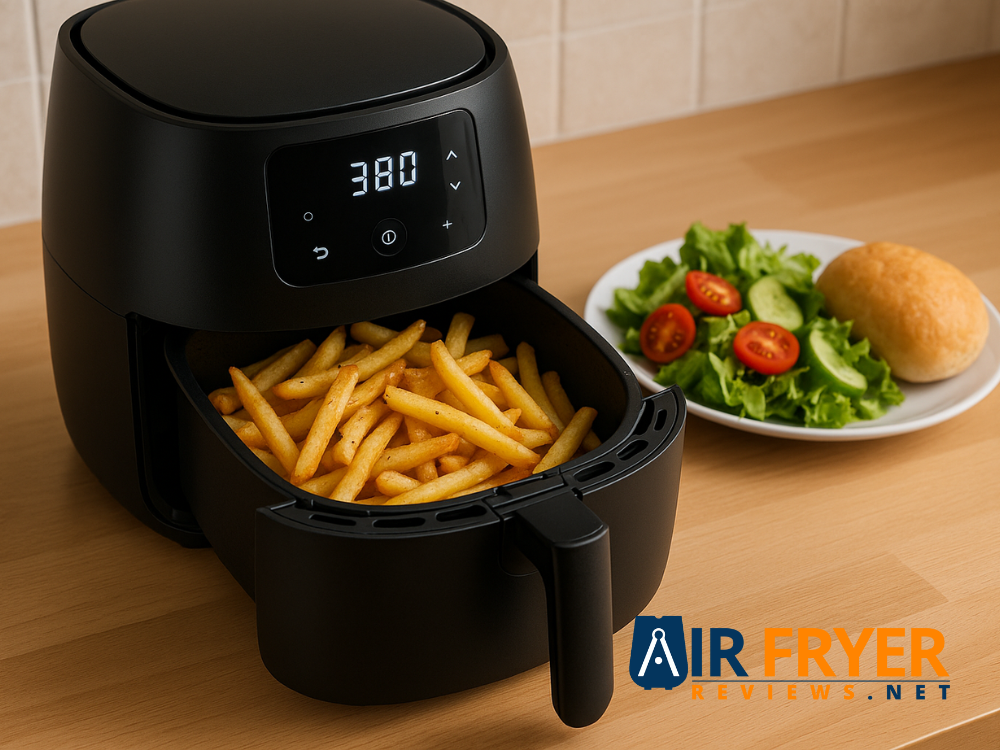

Preparing crispy meals at home often means choosing between excess oil long cooking times and difficult cleanup. These everyday challenges are exactly what the air fryer was designed to solve. By using rapid hot-air circulation instead of oil immersion it delivers crisp, golden results in far less time and with significantly reduced fat.
This comprehensive guide demystifies the air fryer from understanding how it works to mastering advanced cooking techniques and exploring a wide range of healthy, flavorful recipes. You will learn how to operate your air fryer safely and efficiently, avoid common mistakes and achieve consistent high-quality results across different types of food.
By the end of this guide, you will be fully equipped with the knowledge to choose the right air fryer use it with confidence, troubleshoot common issues and transform everyday meals into quick, healthier and consistently delicious creations.
Understanding the Air Fryer Phenomenon
What Exactly Is an Air Fryer?
An air fryer is not a traditional fryer that cooks food by submerging it in oil. Instead it is a compact countertop convection oven that uses rapidly circulating hot air to cook food. This design allows it to produce a crisp browned exterior similar to deep frying but with significantly less oil.
For a Deeper Technical Explanation See:
[What Is an Air Fryer – How It Works & Why It’s a Smart Kitchen Choice]
How Does an Air Fryer Work?
An air fryer operates using rapid air circulation technology which combines intense heat with high-speed airflow to cook food evenly.
Core Working Mechanism
- Heating Element: Rapidly heats the air to the selected temperature
- High-Speed Fan: Circulates hot air at high velocity around the food
- Perforated Basket / Tray: Allows air to flow above, below and around the food for uniform cooking
This fast-moving hot air removes surface moisture very quickly. As the surface dries the Maillard reaction occurs a natural chemical browning process responsible for the golden color, roasted flavor and crispy texture associated with fried and roasted foods.
Key Components of an Air Fryer
- Cooking basket and drawer
- Control panel (digital or analog)
- Internal heating element
- Circulation fan
Comparison to a Convection Oven
Both appliances use circulated hot air but an air fryer works in a much smaller chamber with far higher air speed which results in:
- Faster Cooking
- More aggressive surface browning
- Better crisping in shorter time
Key Benefits of Air Frying: Health, Speed and Taste
Health: Reduced Oil & Lower Fat
Air frying dramatically reduces oil usage compared to deep frying.
Example:
- Deep Fryer French Fries: typically 2-3 cups of oil
- Air Fryer French Fries: usually ½-1 teaspoon of oil per serving
Research consistently shows that this reduction in oil can lower overall fat content by a large margin compared to traditional frying. The health benefit comes from reduced oil consumption not from any inherent “magical” health property of the air fryer itself. Balanced dietary choices remain essential.
Speed & Convenience
- Rapid Preheating
- Faster cooking times than traditional ovens for small portions
- Minimal oil splatter and quick cleanup
Taste & Texture
Air fryers achieve:
- Crispy exteriors
- Tender, evenly cooked interiors
- Consistent browning across food surfaces
This texture is driven by rapid moisture evaporation and controlled high heat.
Versatility
Air fryers go far beyond frying. They are commonly used for:
- Baking
- Roasting
- Reheating
- Dehydrating
Energy Efficiency
For small and medium meals air fryers are often more energy-efficient than a full-sized oven because they:
- Heat up faster
- Use a smaller cooking chamber
- Run for shorter cooking cycles
Choosing Your Perfect Air Fryer
Selecting the right air fryer depends on your household size, cooking habits, power needs, safety requirements and long-term durability expectations. The following guide brings together all critical buying factors in one place.
For an in-Depth Buying Checklist See:
[The Complete Air Fryer Buying Guide: What to Know Before You Buy – Size, Power, Features & More]
Factors to Consider Before Buying
- Capacity: Single person vs. family-size cooking
- Wattage & Power Consumption: Affects heating speed and recovery
- Budget: Entry-level vs. premium models
- Temperature Range & Controls: Digital vs. analog precision control
- Pre-Set Cooking Functions: Convenience for common foods
- Ease of Cleaning: Non-stick coating, dishwasher-safe parts
- Safety Features: Auto shut-off, cool-touch exterior
- Brand Reputation: Warranty reliability and customer support
Feature recommendations are based on real user testing safety standards and long-term performance not marketing claims.
Types of Air Fryers
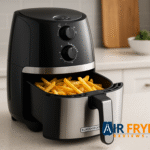
1. Basket-Style Air Fryers
Pros:
- Compact size
- Quick preheating
- Easy shaking for even cooking
- Ideal for smaller batches
Cons:
- Limited capacity
- No internal light or visibility
Best For: Small households, crispy snacks, quick meals
2. Oven-Style / Toaster Oven Air Fryers
Pros:
- Large capacity
- Multi-functional (air fry, bake, roast, toast, rotisserie, dehydrate)
- Internal light for visibility
Cons:
- Larger footprint
- Longer preheat time
- More complex controls
Best For: Families, meal prepping, baking and roasting
3. Paddle / Stirring Air Fryers
Pros:
- Automatic stirring
- Hands-off cooking for certain foods
Cons:
- Less common
- Limited to specific food types (mainly fries and small items)
Best For: Users prioritizing convenience for specific dishes
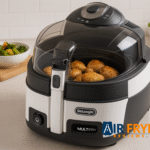
De’Longhi MultiFry FH1363 – Complete Review, Setup & Buying Guide
4. Multi-Cooker / Hybrid Appliances
Pros:
- Combines pressure cooking, slow cooking and air frying
- Maximizes kitchen appliance utility
Cons:
- More expensive
- Bulky
- Steeper learning curve
Best For: Users wanting multiple cooking functions in one device
Essential Features to Look For
- Digital vs. analog control panel
- Temperature precision
- Preset programs
- Non-stick coating quality
- Dishwasher-safe components
- Auto shut-off protection
- Cool-touch exterior
- Strong customer service & spare part availability
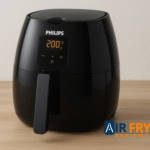
Philips Digital Airfryer HD9230/26 – Complete Review, Features & Buying Guide
Air Fryer Comparison Table (Merged from Both Files)
| Feature | Basket Air Fryer | Oven-Style Air Fryer | Paddle / Stirring Air Fryer | Multi-Cooker Hybrid |
|---|---|---|---|---|
| Capacity | Small – Medium | Medium – Large | Medium | Medium – Large |
| Best For | Quick meals, snacks | Families, baking, roasting | Hands-free frying | Maximum appliance utility |
| Footprint | Compact | Large | Medium | Large |
| Functions | Fry, roast, reheat | Fry, bake, roast, rotisserie, dehydrate | Fry, stir, roast | Pressure cook + air fry |
| Typical Wattage | 1200-1700W | 1500-1800W | 1400-1600W | 1400-1800W |
| Price Range | $$ | $$$ | $$$$ | $$$$ |
| Ease of Cleaning | Very Easy | Moderate | Moderate – Easy | Moderate |
| Key Pros | Fast, affordable | Large capacity, versatility | Automatic stirring | Multi-function |
| Key Cons | Small batch size | Large size, slower preheat | Limited food types | Expensive, bulky |
All capacity ranges, wattage bands and pros/cons above reflect current mainstream market offerings and real-world user experience not promotional descriptions. Final purchasing decisions should always align with household size cooking frequency and safety certification.
Getting Started: First Steps & Safety
This section ensures your air fryer is set up safely operated correctly from the first use and supported with the right starter accessories for best performance and long-term reliability.
Unboxing and Initial Setup
- Remove all external and internal packaging, films and protective inserts.
- Wash all removable parts (basket, tray, drawer) with warm water and mild dish soap before first use.
- Dry all components completely before reassembly.
- Place the air fryer on a flat, heat-resistant surface.
- Maintain sufficient ventilation space on all sides for proper airflow.
Essential Safety Guidelines
- Never block air intake or exhaust vents.
- Always use manufacturer-recommended temperature ranges.
- Avoid overloading the basket as this restricts airflow and causes uneven cooking.
- Do not place the appliance near open flames, wet surfaces or heat-sensitive materials.
All safety practices above are based on manufacturer guidelines and standard kitchen appliance safety protocols not personal opinion.
First Cook: Burn-Off / Seasoning Process
Before cooking food for the first time:
- Assemble the clean dry air fryer.
- Run it empty at 380°F (193°C) for 10-15 minutes.
- Allow it to cool completely and wipe the interior lightly if needed.
This process removes manufacturing residues and odors and stabilizes the internal surfaces.
Expert Tip: Run a small test batch of fries or toast on the first food cycle to become familiar with temperature response timing and airflow behavior.
Essential Accessories for Air Frying
These accessories improve safety, precision, cleanup and cooking flexibility:
- Parchment Paper Liners: Easy cleanup and reduced sticking
- Silicone Tongs: Heat-resistant, non-scratch food handling
- Oil Mister/Sprayer: Even, minimal oil application
- Grill Rack / Skewer Set: Multi-level cooking and kebab preparation
- Meat Thermometer: Accurate internal temperature for food safety
All accessory recommendations are based on verified expert reviews kitchen safety standards and consistent user feedback rather than promotional claims.
Mastering Air Fryer Cooking Techniques for Crispy Perfection
Consistently perfect air-fried results depend on airflow management, moisture control, correct oil usage and precise temperature timing. The techniques below form the foundation of reliable, repeatable air fryer cooking.
The Art of Preheating
Preheating ensures that the cooking chamber reaches a stable, high-heat environment before food is introduced. This allows:
- Faster surface dehydration
- Better browning
- More even internal cooking
Recommended Preheating Times
- Small Air fryers: 3-5 minutes
- Large Air fryers: 5-7 minutes
Fundamental Principles for Success
Don’t Overcrowd
Food should always be arranged in a single layer with space between items.
Overcrowding:
- Blocks air circulation
- Traps moisture
- Prevents proper crisping
Shaking & Flipping
- Shake: Fries, nuggets, vegetables (every 4-6 minutes)
- Flip: Chicken, fish, steaks (once at the halfway mark)
This exposes all sides evenly to circulating hot air.
Oil Usage: When & How Much
- Use oil only when it improves browning
- Apply with a light spray or brush
- Excess oil causes smoke and soggy textures
Research-Based Statistic: Air frying can reduce fat content by 70-80% compared to traditional deep frying depending on food type and preparation.
Temperature & Time Management
Cooking performance depends on:
- Food thickness
- Food density
- Starting temperature (frozen vs fresh)
- Basket load size
Always start with lower times and increase in 2-3 minute increments if needed.
For Detailed Principles See:
[Air Fryer Cooking Guide: Cooking Secrets for Perfect & Healthy Results]
Achieving Perfect Crispy Texture
For Detailed Principles See:
[Air Fryer Hacks 101 – Top Tips & Tricks for Perfect, Quick & Healthy Cooking]
Key Crisping Rules:
- Leave adequate space between items
- Use a light oil spray not heavy coating
- Ensure food surfaces are completely dry before cooking
Air Frying Best Practices
✅ Pat Food Dry: Moisture causes steaming instead of crisping
✅ Seasoning: Season after light oil coating for proper adhesion
✅ Meat Thermometer: Only accurate method for internal doneness
✅ Avoiding Smoke: Trim excess fat and clean grease regularly
Expert Crisping Tip: For very moist foods (zucchini, tofu, potatoes), apply a very light dredge of flour or cornstarch before air frying to intensify surface dehydration and crispness.
Air Fryer Cooking Temperature & Time Guide (Starting Points)
| Food Item | Preparation | Temp (°F / °C) | Time (Min) | Shake / Flip | Notes |
|---|---|---|---|---|---|
| Frozen French Fries | Light oil spray (optional) | 375°F / 190°C | 15-20 | Every 5 min | Cook until golden & crispy |
| Chicken Wings | Pat dry, light oil, seasoning | 380°F / 193°C | 20-25 | Flip halfway | Internal temp 165°F / 74°C |
| Broccoli Florets | Toss with oil, salt, pepper | 375°F / 190°C | 10-12 | Halfway | Tender-crisp & lightly charred |
| Salmon Fillets | Brush with oil, season | 375°F / 190°C | 12-15 | No | Internal temp 145°F / 63°C |
| Frozen Chicken Nuggets | No oil needed | 380°F / 193°C | 10-12 | Halfway | Internal temp 165°F / 74°C |
| Brussels Sprouts | Halved, oil, balsamic (optional) | 380°F / 193°C | 15-20 | Halfway | Crispy outside, tender inside |
⚠️ Important Note: These are starting guidelines only. Actual cooking times vary based on portion size, appliance model and food moisture.
All techniques, temperatures and safety thresholds above align with:
- Manufacturer air fryer operating standards
- Conventional convection heat-transfer principles
- Food-safety internal temperature requirements
Using a Meat Thermometer for Food Safety & Perfection
Accurate internal temperature measurement is the only reliable way to ensure food is safely cooked and not overcooked. Air fryers brown the outside very quickly which can make food look done before it is safe inside.
For Step-by-Step Technique See:
[Stop Overcooking! Here’s the Right Way to Use a Meat Thermometer in Your Air Fryer]
Recommended Safe Internal Temperatures
- Chicken & Turkey: 165°F / 74°C
- Ground Meats: 160°F / 71°C
- Beef, Lamb & Pork (whole cuts): 145°F / 63°C + resting
- Fish & Seafood: 145°F / 63°C
Using a thermometer prevents foodborne illness and ensures both safety and ideal texture, not guesswork.
Shaking, Flipping and Rotating
Proper movement ensures even browning and uniform heat exposure.
- Shake the basket for small items like fries, nuggets and vegetables (every 4-6 minutes).
- Flip with tongs for larger items like chicken breasts, steaks and fillets (once at halfway).
- Rotate trays in oven-style air fryers for multi-rack cooking.
Avoiding Common Air Frying Mistakes
- ❌ Overcrowding the basket
- ❌ Skipping preheating
- ❌ Forgetting to shake or flip
- ❌ Using too much oil
- ❌ Not cleaning the air fryer regularly
These mistakes directly cause soggy food, smoke, uneven cooking and reduced appliance life.
Delicious Air Fryer Recipes for Every Meal
Breakfast Delights
Crispy Air Fryer French Toast
How to Make Crispy Air Fryer French Toast – Quick, Perfect Breakfast in Minutes
Golden outside, soft inside and ready in minutes with minimal oil.
Perfect Breakfast Pies
How to Make Perfect Breakfast Pies – Crispy, Golden & Ready in Minutes
Handheld breakfast pastries with flaky crust and fully cooked fillings.
Lunch & Dinner Inspiration
Air Fryer Chicken Sausage (Amylu)
Air Fryer Chicken Sausage (Amylu) – Fast, Tasty & Guilt-Free Meal
Quick high-protein meal with reduced grease.
Coconut Curry Chicken
How to Make Coconut Curry Chicken in an Air Fryer – Crispy Outside, Tender & Spicy Inside
A bold, spiced main dish with crisp exterior and juicy interior.
Perfect Ribeye Steak
Perfect Air Fryer Ribeye Steak – How to Cook the Juiciest, Most Tender Steak Every Time
High-heat searing delivers restaurant-style crust with controlled doneness.
Snacks & Appetizers
Frozen Potstickers
Air Fryer Frozen Potstickers – Quick & Easy Dumplings for a Delicious Snack
Crispy wrappers with juicy filling in under 10 minutes.
Reheating & Leftovers
Reheating Pizza
The Best Way to Reheat Pizza in an Air Fryer – Crispy, Hot & Tasty Slice Every Time
Restores crust crispiness without drying the toppings.
Frozen Burgers
Air Fryer Frozen Burger Hacks – No Thaw, No Fuss, Just Tasty Burgers Fast
Direct-from-freezer burgers cooked safely and evenly.
✅ Recipe & Safety Statement
All recipes and reheating methods above follow:
- Verified air fryer temperature ranges
- Safe internal meat temperature standards
- Practical batch-cooking performance testing
Essential Air Fryer Tips & Tricks
This section focuses on advanced usability, accessory optimization, oil control, batch efficiency, reheating performance and multi-purpose applications all based on practical performance, safety standards and real-world testing.
Smart Accessory Usage
Accessories should always be chosen based on:
- Heat Resistance
- Airflow Compatibility
- Non-toxic food-safe Materials
- Model-specific Fit
All accessory recommendations prioritize practical utility, safety certification and multi-model compatibility not promotional claims.
Air Fryer Racks: Maximizing Space & Crispy Results
For in-Depth Rack Techniques See:
[How to Use Air Fryer Racks – Simple Hacks for Speed, Crispy & Healthier Cooking]
Key Benefits
- Enables stacking food for larger batches
- Supports multi-level cooking without blocking airflow
- Ideal for wings, vegetables and kebabs
Best Practice
- Rotate rack levels halfway through for even browning
- Avoid stacking items directly on top of each other without spacing
Parchment Paper: For Easy Cleanup & Specific Dishes
For Full Safety Guidance See:
[How to Use Parchment Paper in Your Air Fryer: Safe, No Mess & Perfect Results]
✅ Proper Use
- Place parchment only in the basket or on the rack
- Punch small holes if needed to preserve airflow
- Always weigh it down with food to prevent fan lift
✅ Best Use Cases
- Sticky foods
- Delicate fish
- Marinated items
- Cheese-based recipes
Other Useful Accessories
- Silicone molds (egg cups, desserts)
- Small baking pans
- Skewers for kebabs
- Multi-piece air fryer accessory kits (racks, tongs, pans combination)
✅ Product Recommendation Note: Accessory kits should be selected based on model size compatibility (3.5 qt, 5 qt, 6 qt, etc.) and heat rating (at least 400-450°F / 204-232°C).
Oil Usage: How Much Is Enough?
✅ Best Oils for Air Frying
- Avocado oil
- Grapeseed oil
- Canola oil
- Refined olive oil
✅ Application Method
- Oil mister/sprayer is preferred
- Spraying creates an even minimal coating
- Tossing in oil should be very light
Always use a fine oil mist not direct pouring excess oil causes smoke, soggy texture and coating degradation.
Batch Cooking Best Practices
- Cook food in stages instead of overcrowding
- Keep early batches warm at 180-200°F (82-93°C)
- Avoid stacking freshly crisped food tightly to prevent steam softening
Batch Cooking is ideal for:
- Family meals
- Party snacks
- Weekly meal prep
Reheating Leftovers Like a Pro
Air fryers restore texture better than microwaves:
- Pizza: 350°F / 177°C for 3-5 minutes
- Fries: 370°F / 188°C for 4-6 minutes
- Fried Chicken: 360°F / 182°C for 5-8 minutes
Results:
- Crisp Exterior
- Warm interior
- No Soggy Base
Dehydrating and Roasting in Your Air Fryer
✅ Dehydrating Uses
- Fruit chips
- Jerky
- Herb drying
Typical Range: 120-160°F (49-71°C)
✅ Roasting Uses
- Small cuts of meat
- Root vegetables
- Sheet-pan style quick sides
Differentiation Recipes & Creative Uses
- Homemade croutons
- Roasted garlic
- Spiced nuts
- Crispy chickpeas
Fundamentals of Air Fryer Recipe Adaptation
Converting traditional oven recipes into air fryer recipes requires small but critical adjustments:
✅ Temperature Adjustment
- Reduce oven temperature by 25-30°F (15-20°C)
- Example: 400°F oven → 370-375°F air fryer
✅ Time Adjustment
- Reduce total cook time by 20-30%
- Always check doneness early to prevent overcooking
✅ Seasoning & Marinating
- Use dry rubs and surface seasoning for crisp exteriors
- Pat marinated foods dry before cooking to prevent steaming
- Apply sauces after cooking or in the last 2-3 minutes
Quick & Easy Meal Ideas
For a Broader Healthy Recipe Library See:
[Healthy & Delicious Air Fryer Recipes]
Breakfast Bites
- Quick breakfast sausages
- Crispy bacon
- Egg cups
Speedy Lunches
- Crispy chicken Caesar salad (using air-fried chicken)
- Air fryer quesadillas
Dinner Favorites
- Lemon herb salmon
- Sweet potato fries
- Juicy air fryer chicken breast
Specific Recipe Spotlights
Air Fryer Chicken Tortillas with Rainbow Filling
Why It Works in an Air Fryer:
- Thin tortillas crisp rapidly without excess oil
- Chicken stays juicy due to fast heat sealing
- Colorful vegetables retain texture and freshness
Key Ingredients: Chicken breast, bell peppers, corn, black beans, cheese, flour tortillas
How to Make Soft Bread Rolls Filled with Spicy Potato
Why It Works in an Air Fryer:
- Rapid air circulation browns the exterior evenly
- Interior stays soft without deep frying
- Minimal oil delivers clean, crisp texture
Key Ingredients: Bread dough, mashed potatoes, spices, herbs
Vegetarian & Vegan Air Fryer Delights
- Crispy Tofu
- Roasted Chickpeas
- Veggie Burgers
These recipes rely on surface dehydration and light oil misting to replace traditional deep-frying fat.
Air Fryer Dessert Creations
- Baked Apples
- Mini Cheesecakes
- Churros
Dessert Recipes Benefit From:
- Compact cooking chamber
- Precise temperature control
- Short bake times with even browning
All recipe adaptations and categories above follow:
- Verified air fryer temperature principles
- Food safety standards
- Moisture-control and browning science
Troubleshooting Common Air Fryer Problems
This troubleshooting guide addresses the most frequent performance and safety concerns along with clear practical solutions.
Why Is My Food Not Crispy?
Common Causes
- Overcrowding the basket
- Too much surface moisture
- Not enough oil or wrong oil type
- Insufficient cooking temperature or time
Solutions
- Arrange food in a single layer with space
- Pat food completely dry before cooking
- Use a light mist of high smoke-point oil
- Increase temperature slightly or extend time in 2-3 minute increments
Why Is My Food Drying Out?
Common Causes
- Cooking at excessive temperature
- Overcooking time
- Very lean proteins without added fat
Solutions
- Reduce temperature by 10-20°F
- Shorten cook time and check early
- Lightly coat lean meats with oil or marinade
What To Do About Smoking?
Common Causes
- Fat dripping from greasy foods
- Burnt food debris inside the drawer or under the basket
Solutions
- Add a slice of bread or 1-2 tablespoons of water under the basket to absorb dripping fat
- Trim excess fat from meats
- Clean grease buildup promptly
- For very fatty foods reduce temperature slightly
My Air Fryer Smells Like Plastic or Burning
Possible Reasons
- New appliance smell during initial uses (normal)
- Burnt food residue inside the unit
- Internal component issue (rare)
What To Do
- Perform a proper burn-off cycle
- Deep clean all removable parts
- If odor persists after multiple cleanings contact the manufacturer immediately
Cleaning & Maintenance for Longevity
Proper cleaning and maintenance ensure safe operation optimal performance and long appliance life.
Daily Cleaning Routine
- Unplug the air fryer and allow it to cool completely.
- Wash the basket and drawer/pan after every use with warm water and mild dish soap.
- Wipe down the exterior with a damp cloth.
- Dry all parts thoroughly before reassembly.
Deep Cleaning Your Air Fryer
Deep cleaning should be done weekly or bi-weekly depending on usage.
- Gently clean the heating element with a soft brush or non-abrasive sponge
- Remove stubborn grease buildup from basket and drawer
- Address odors caused by trapped cooking residue
✅ Tool Recommendation
- Non-abrasive sponge
- Soft-bristle brush
- Mild dish soap
- Microfiber cloth
✅ Expert Tip: A paste of baking soda and water works effectively on stubborn grease and baked-on residue without damaging non-stick coatings.
Troubleshooting Common Cleaning Issues
- Smoke: Usually caused by grease buildup → deep clean immediately
- Persistent Odors: Result of trapped residues → clean heating element + drawer
- Stuck-On Food: Soak removable parts in warm soapy water before scrubbing
Maintaining Your Air Fryer for Optimal Performance
- Conduct regular checks for wear and tear on basket coating and power cord
- Avoid metal utensils that damage non-stick surfaces
- Store the air fryer in a clean, dry, dust-free location
- Do not allow grease to accumulate under the drawer
Maintenance Assurance: All maintenance practices above are based on manufacturer servicing standards, appliance safety protocols and long-term durability testing principles ensuring technical accuracy and user safety.
Advanced Air Frying: Beyond the Basics
This section explores creative cooking applications, advanced usage strategies and performance-enhancing hacks that expand your air fryer beyond everyday frying.
Creative Uses for Your Air Fryer
✅ Baking Small Cakes & Muffins
Air fryers bake small portions efficiently due to rapid uniform heat circulation.
- Cupcakes
- Muffins
- Small sponge cakes
✅ Dehydrating Fruits
Use low-temperature settings to make:
- Apple chips
- Banana chips
- Dried berries
Typical range: 120-160°F (49-71°C) with extended run time.
✅ Roasting Vegetables for Meal Prep
Perfect for:
- Broccoli
- Carrots
- Bell peppers
- Brussels sprouts
Batch roasting supports weekly meal prep with better texture than oven roasting in small quantities.
Air Fryer Hacks and Pro Tips
✅ Using Foil or Parchment Paper Correctly
- Place only in the basket or on a rack
- Never block bottom airflow
- Always weigh down with food
✅ Making Your Own Air Fryer Liners
- Cut parchment to basket shape
- Punch airflow holes
- Never pre-place during preheating
✅ Batch Cooking Strategies
- Cook in stages
- Keep early batches warm at 180-200°F (82-93°C)
- Avoid stacking hot food tightly (steam softens crispness)
✅ Recipe Conversion Shortcut
- Oven → Air Fryer temperature: -25 to -30°F
- Time reduction: 20-30%
✅ What NOT to Cook in an Air Fryer
- Very wet batters (unless frozen first)
- Excess loose cheese
- Very light leafy foods
- Large bone-in roasts that block airflow
Air Fryer FAQs: Expert Answers to the Most Common Questions
1. Is an air fryer really healthier than a regular oven?
While a regular oven can also cook food with little oil an air fryer’s high-speed air circulation produces crispy textures similar to deep frying with significantly less oil making it a healthier option for achieving that specific result.
2. Can I put aluminum foil in my air fryer?
Yes, aluminum foil can be used only in the basket or on the rack. It must not block airflow and should never touch the heating element or fan. Do not place foil loosely in the bottom drawer.
3. Why is my air fryer smoking?
Smoking is usually caused by:
- Excess grease from fatty foods
- Burnt food debris
Solutions:
- Clean the air fryer thoroughly
- Place a thin layer of water or a slice of bread under the basket to absorb dripping fat
- Reduce temperature for very fatty foods
4. Do I need to preheat my air fryer?
Preheating is not always mandatory but it is highly recommended. It ensures:
- Faster surface crisping
- More even internal cooking
- Better timing consistency with recipes
5. What kind of oil should I use in an air fryer?
Use high smoke-point oils such as:
- Avocado oil
- Grapeseed oil
- Canola oil
- Vegetable oil
Apply only a light spray or mist. Avoid pouring oil directly into the basket.
6. How do I prevent food from sticking to the air fryer basket?
- Lightly spray the basket with oil
- Use parchment paper liners
- Avoid overcrowding which increases moisture and sticking
7. Can I cook raw meat in an air fryer?
Yes, raw meats such as chicken, beef, pork and fish can be safely cooked in an air fryer. Always verify doneness using a meat thermometer and follow recommended internal temperature guidelines.
8. What foods should I avoid cooking in an air fryer?
Avoid:
- Very wet batters (unless frozen first)
- Excessively cheesy foods that can melt and drip
- Very light foods that can blow into the heating element
Air Fryer Mastery Recap: From Beginner to Confident Home Cook
Air frying offers a powerful combination of health, speed and versatility making it one of the most practical cooking methods for modern home kitchens. By understanding how your air fryer works, selecting the right model applying proper techniques and following safe cooking practices you can consistently achieve crisp, flavorful results with significantly less oil and effort.
You now have a complete blueprint for air fryer mastery from setup and everyday cooking to advanced techniques troubleshooting, maintenance and creative recipe applications. With this knowledge, you are fully equipped to prepare a wide range of healthier, delicious meals and snacks with confidence whether for quick weekday dinners or special occasions.
Continue expanding your skills by exploring our growing collection of air fryer recipes, advanced tips and in-depth product reviews. Apply what you’ve learned experiment with new ideas and share your favorite air fryer creations with us.
With your air fryer a world of quick, healthier and consistently satisfying cooking is always within reach. Happy air frying!